As the Syrian conflict unfolded over a decade, Bashar al-Assad’s regime, once seemingly solidified, found itself teetering on the edge of collapse. The pattern of deception and despair that characterized the regime’s final hours revealed the complexities of power dynamics within the country and the broader implications for the Middle East.
The Syrian civil war began in March 2011 as a series of protests against the Assad regime, inspired by the Arab Spring movements sweeping across the region. The government’s violent crackdown on dissent led to the escalation of protests into a full-blown civil war. Throughout this protracted conflict, both sides committed various atrocities, deepening the humanitarian crisis.
By the late 2010s, a shift began to occur as various factions gained ground against Assad’s forces. International involvement further complicated the landscape; Russian support provided a significant lifeline for the besieged leadership, while regional actors jostled to solidify their influence over Syria’s future. Yet internally, challenges emerged from various opposition forces, which began to coordinate more effectively as the war dragged on.
As pressure mounted, the facade of stability that Assad projected started to buckle. The regime resorted to widespread propaganda campaigns to maintain an image of control among the populace. Yet, this denial of reality only deepened the despair felt by many Syrians who were caught in the crossfire of a war that had claimed hundreds of thousands of lives and displaced millions.
In the waning hours of the Assad regime, reports indicate that a horrific sense of uncertainty began to grip the ruling elite. While key loyalists remained steadfast in their support, whispers of dissent started to circulate within the inner circles of power. High-profile departures from the government, including military generals and diplomats, signaled growing unrest among Assad’s closest allies. This erosion of loyalty created a sense of panic, leading some to flee, fearing the consequences of remaining.
As the final confrontations drew near, the Syrian military was pressured from multiple fronts. The situation became increasingly precarious as opposition groups collaborated with foreign actors seeking to dethrone the Assad regime. This dynamic led to fierce battles across key territories, including Aleppo and Idlib, where the government faced relentless assaults.
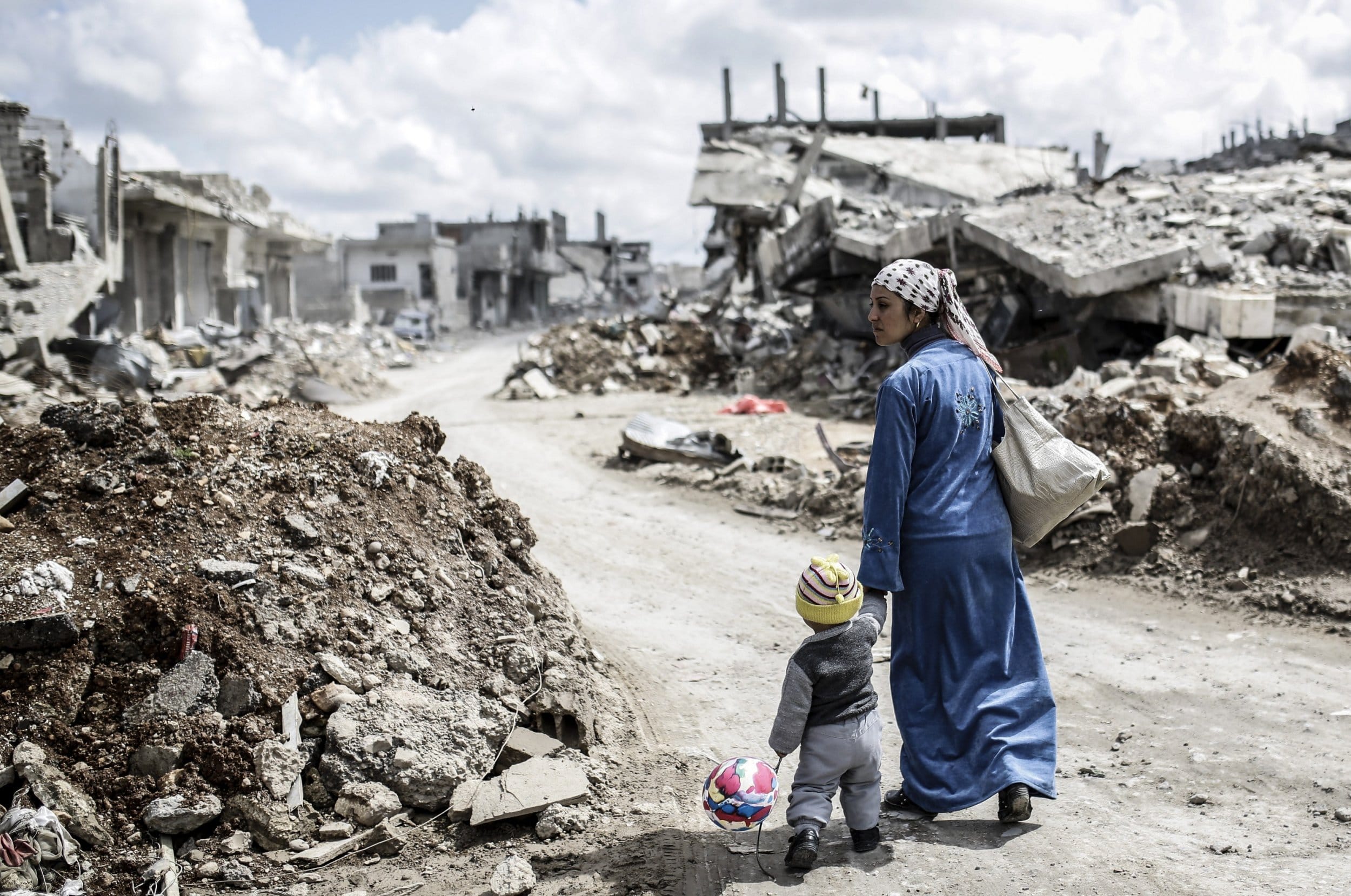
Caught in this web of deceit and desperation, many civilians continued to flee conflict zones in search of refuge. The humanitarian crisis deepened as resources dwindled, and access to basic necessities became increasingly restricted. The images of families fleeing their homes served as a stark reminder of the conflict’s toll on ordinary lives; women and children were often the most vulnerable, with many facing perilous journeys to safety.
Meanwhile, international responses to the shifting dynamics in Syria evolved. Attempts at diplomatic negotiations faltered as trust diminished among the factions involved. Efforts by the United Nations to broker peace were often undermined by ongoing violence and a lack of consensus among the involved parties. While some countries provided humanitarian aid, others took a more militaristic stance, further deepening the conflict.
As the dust settled, the immediate aftermath of Assad’s regime was marked by uncertainty for the people of Syria. The opposition faced challenges of its own, grappling with the task of governance in areas previously under regime control. Dilemmas regarding justice for war crimes, the reconstruction of a war-torn nation, and the reintegration of diverse communities showcased the complexities that lay ahead.
The international community also faced questions regarding its role and response to the evolving situation. How would stabilization efforts unfold? What measures would be taken to address the deep-seated grievances that had fueled the conflict from its inception?
As a new chapter in Syria’s history began, echoes of the past lingered heavily. The lessons learned from a decade of war, the humanitarian impacts, and the overarching struggle for power served as a reminder of the consequences of divisive politics and the enduring quest for peace.
The end of Bashar al-Assad’s reign may have marked a significant turning point in the Syrian conflict, but the path to recovery remained fraught with obstacles. The interplay of deception, despair, and displacement would continue to resonate as Syria navigated its complex future.