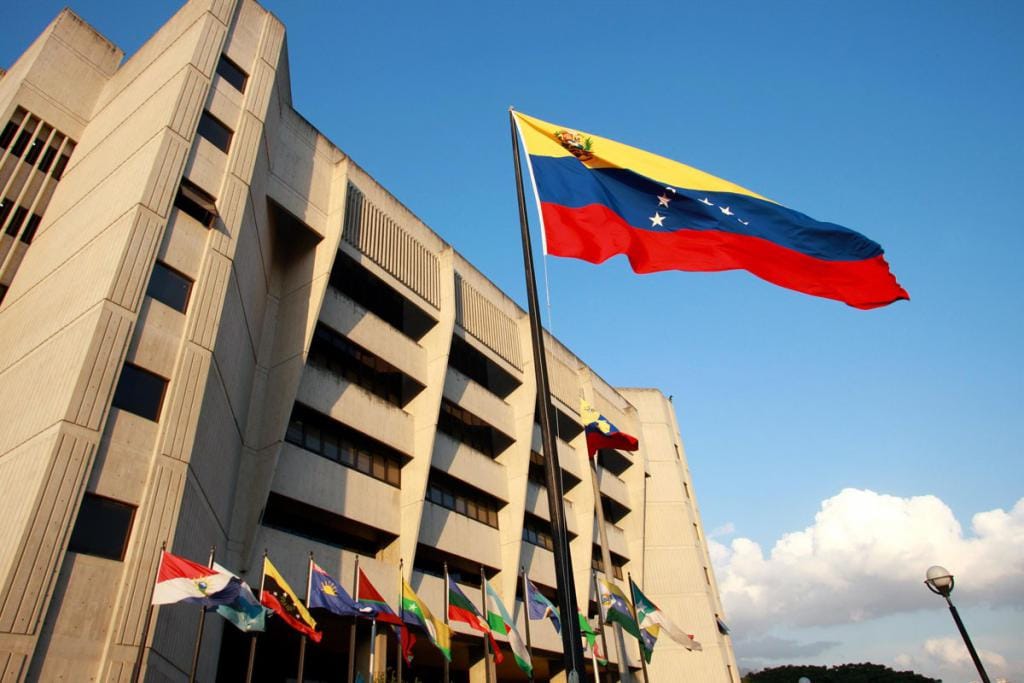
In a significant ruling, the Supreme Court has determined that Venezuelan immigrants who are facing deportation under the Alien Enemies Act must be provided with more time to challenge their statuses. This decision comes as part of ongoing discussions about the treatment of immigrants and the legal frameworks that govern their rights. The ruling reflects the complexities surrounding immigrant rights, particularly in cases involving countries embroiled in political turmoil, such as Venezuela.
The Alien Enemies Act, originally enacted during World War II, allows for the deportation of non-citizens from nations considered hostile to the United States. Under the Trump administration, this act was invoked to expedite deportations of Venezuelan nationals, a move that sparked widespread criticism from human rights organizations and advocacy groups. They argued that such actions were not only politically motivated but also disregarded the dire circumstances faced by many Venezuelans who are fleeing a humanitarian crisis characterized by rampant violence, political oppression, and economic collapse in their home country.
The Supreme Court’s ruling is pivotal in addressing these concerns, emphasizing the necessity for judicial review and the importance of allowing individuals the opportunity to present their cases adequately. The extension of time for these individuals to challenge deportation is aimed at ensuring that legal due process is maintained, allowing those impacted the chance to argue their claims before the courts fully. This is particularly crucial in situations where evidence may be challenging to obtain or when individuals may not be aware of their rights or the legal ramifications of their status.
This decision not only highlights the judicial branch’s role in immigration law but also reinforces the idea that national security concerns, while essential, should not overshadow individual rights and legal protections. The Supreme Court’s ruling specifically addresses the need to balance matters of national security with the fundamental principles of justice, reinforcing the essentiality of thorough judicial processes in immigration-related cases.
The case has garnered considerable attention, given the backdrop of Venezuela’s ongoing political crisis. Venezuelans fleeing their homeland face myriad challenges that extend beyond deportation risks, including lack of access to basic resources and safety. In light of the country’s political instability, those seeking refuge in the United States often bring compelling claims for asylum or other forms of legal protection, and the courts have a critical role in adjudicating these claims.
Legal experts point out that the ruling may also set a precedent for how similar cases are handled in the future. It underscores the importance of due process in immigration matters, which has been a contentious issue in U.S. immigration policy, especially in recent years. The relationship between the judiciary and immigration enforcement agencies is under scrutiny as courts increasingly hold these agencies accountable to the law. This ruling reiterates that even in applying historic laws like the Alien Enemies Act, contemporary considerations of individual rights and humanitarian circumstances must be honored.
The implications of this ruling extend beyond the immediate cases of Venezuelans facing deportation. It may influence how courts approach the rights of other migrant communities who also seek refuge from persecution or dire conditions. This ruling could encourage more scrutiny into the application of laws intended for national security and prompt a reevaluation of policies that may be overly punitive or misapplied in today’s complex geopolitical landscape.
Immigration advocates have welcomed the ruling, viewing it as a victory for justice and human rights. The decision aligns with broader efforts to reform how immigrants, particularly from crisis-ridden countries, are treated within the U.S. legal system. As the country continues to grapple with its position on immigration and its obligations under international law, the Supreme Court’s decision could serve as a critical turning point in ensuring that the rights of individuals are not overlooked in favor of expedited enforcement policies.
As the situation unfolds, it remains to be seen how immigration authorities will respond to this ruling and how it will affect the deportation processes for Venezuelans and potentially other immigrant groups facing similar circumstances. The ruling serves as a reminder of the intertwined nature of law and humanitarian considerations in immigration policy, emphasizing the necessity for a compassionate approach in the application of law.