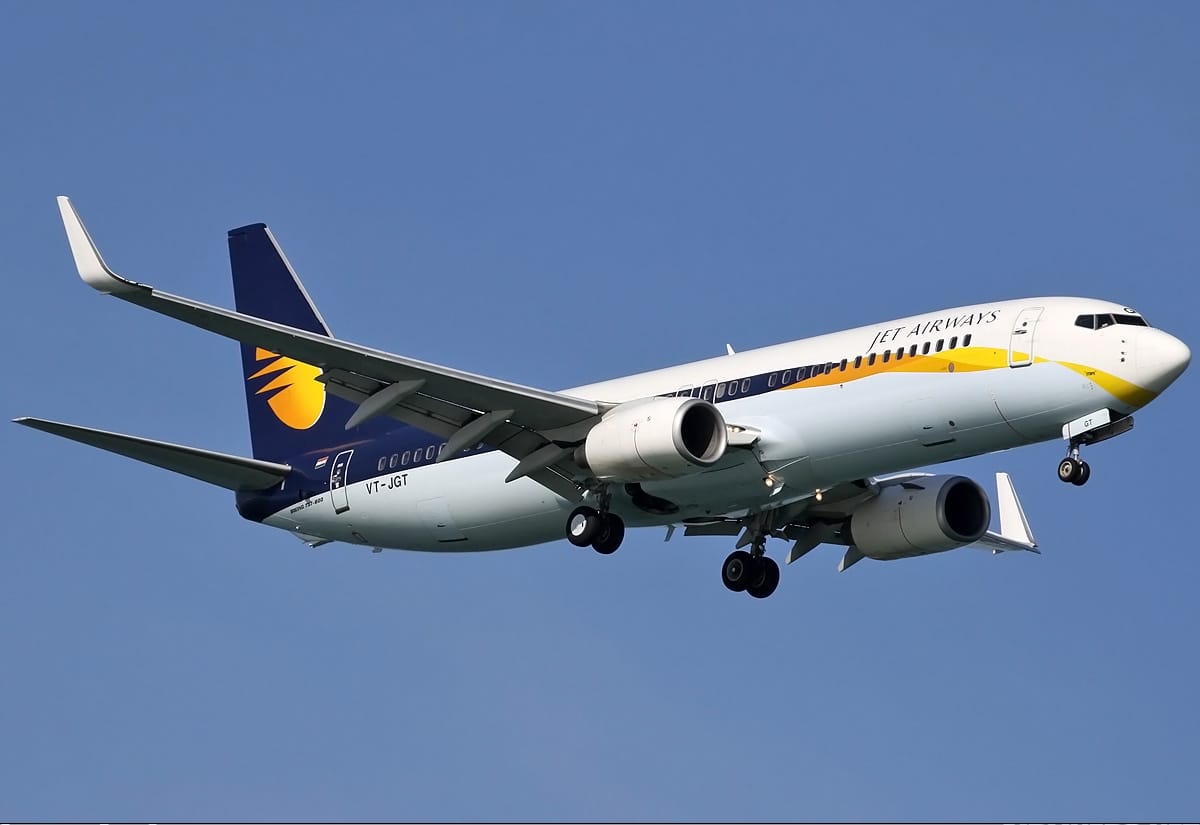
In the wake of a fatal crash involving a Boeing 737-800, South Korea’s aviation regulatory body has announced an extension of mandatory inspections for this particular aircraft model. The decision was made to prioritize passenger safety and to address any potential mechanical issues that may arise. This initiative underscores the country’s commitment to maintaining high standards in aviation safety and operational integrity.
The incident that prompted this decision occurred recently and resulted in significant loss of life, raising concerns about the safety protocols surrounding the Boeing 737-800 model. As investigations into the crash continue, South Korean authorities are taking proactive measures to mitigate risks associated with the aircraft. The Ministry of Land, Infrastructure and Transport (MOLIT) has stated that it will require airlines operating the Boeing 737-800 to conduct thorough inspections of their fleets, focusing on critical components and systems that may affect flight safety.
These inspections will not only cover routine checks but will also include in-depth evaluations of the aircraft’s structural integrity, engine performance, and avionics systems. The extended inspection period aims to ensure that any potential issues are identified and rectified before they can lead to further incidents. Airlines are expected to comply with the new regulations promptly, and the ministry will oversee the process to ensure adherence to safety standards.
In addition to the inspections, the South Korean government is collaborating with international aviation authorities and Boeing to gather data and insights that may help in understanding the causes of the recent crash. This cooperative approach aims to enhance global aviation safety standards and to prevent similar occurrences in the future. The involvement of Boeing in the investigation is crucial, as the manufacturer can provide technical support and guidance on the aircraft’s systems and maintenance protocols.
The Boeing 737-800 is a widely used aircraft model, favored by many airlines for its efficiency and reliability. However, the recent crash has raised questions about the safety of this aircraft type, prompting a review of its operational history and maintenance practices. South Korean airlines operating the Boeing 737-800 have been urged to ensure that their maintenance programs are robust and that they adhere strictly to the manufacturer’s guidelines.
As part of the extended inspection process, airlines will be required to submit detailed reports to the MOLIT, outlining the findings from their inspections and any corrective actions taken. This transparency is intended to build public confidence in the safety of commercial aviation in South Korea, particularly regarding the Boeing 737-800 model.
The aviation industry in South Korea has faced scrutiny in recent years, with several incidents prompting calls for stricter safety regulations. The government has responded by enhancing oversight and implementing more rigorous safety protocols. The extension of inspections on the Boeing 737-800 is a continuation of this trend, reflecting a growing awareness of the need for vigilance in aviation safety.
Passengers and the general public are likely to welcome these measures, as they demonstrate a commitment to prioritizing safety in air travel. The government has emphasized that the well-being of passengers is paramount and that all necessary steps will be taken to ensure that aircraft meet the highest safety standards.
In conclusion, the decision by South Korea to extend inspections of the Boeing 737-800 following a fatal crash highlights the importance of proactive safety measures in the aviation industry. As investigations continue, the focus remains on ensuring that all aircraft are thoroughly evaluated for any potential risks. The collaboration between government authorities, airlines, and manufacturers like Boeing is essential in fostering a culture of safety and reliability in commercial aviation. The extended inspections serve as a reminder of the ongoing commitment to passenger safety and the need for continuous improvement in aviation practices.

