As a winter storm sweeps across Minnesota, residents are grappling with difficult travel conditions that have prompted the declaration of snow emergencies in Minneapolis and St. Paul. This weather event serves as a reminder of the challenges posed by severe winter conditions in the Midwest. According to the National Weather Service, snow accumulations have varied widely across the state, with some areas recording over a foot of snow since the storm began. The implications of this snowfall are felt not only in terms of commuting but also in regard to the resources and preparedness of the local municipalities.
Travel disruptions have been reported on major roadways and highways, leading to numerous accidents and delays. Transportation officials are advising drivers to minimize travel unless absolutely necessary, as road crews work diligently to clear and treat the streets. Snow plows are running in shifts, but the volume of snowfall has made it difficult for crews to keep up with the accumulation. Residents are encouraged to monitor local news outlets and traffic reports, as updates on road closures and conditions are frequently changing.
Minneapolis and St. Paul have implemented their snow emergency plans, which include designated snow routes where parking restrictions are in effect. These regulations aim to facilitate the efficient clearing of streets. Residents are urged to comply with the posted signs to avoid fines and improve overall traffic circulation. In addition to street clearing, the cities are also focused on maintaining access to public transportation, though delays and rerouting of services may occur as the storm continues.
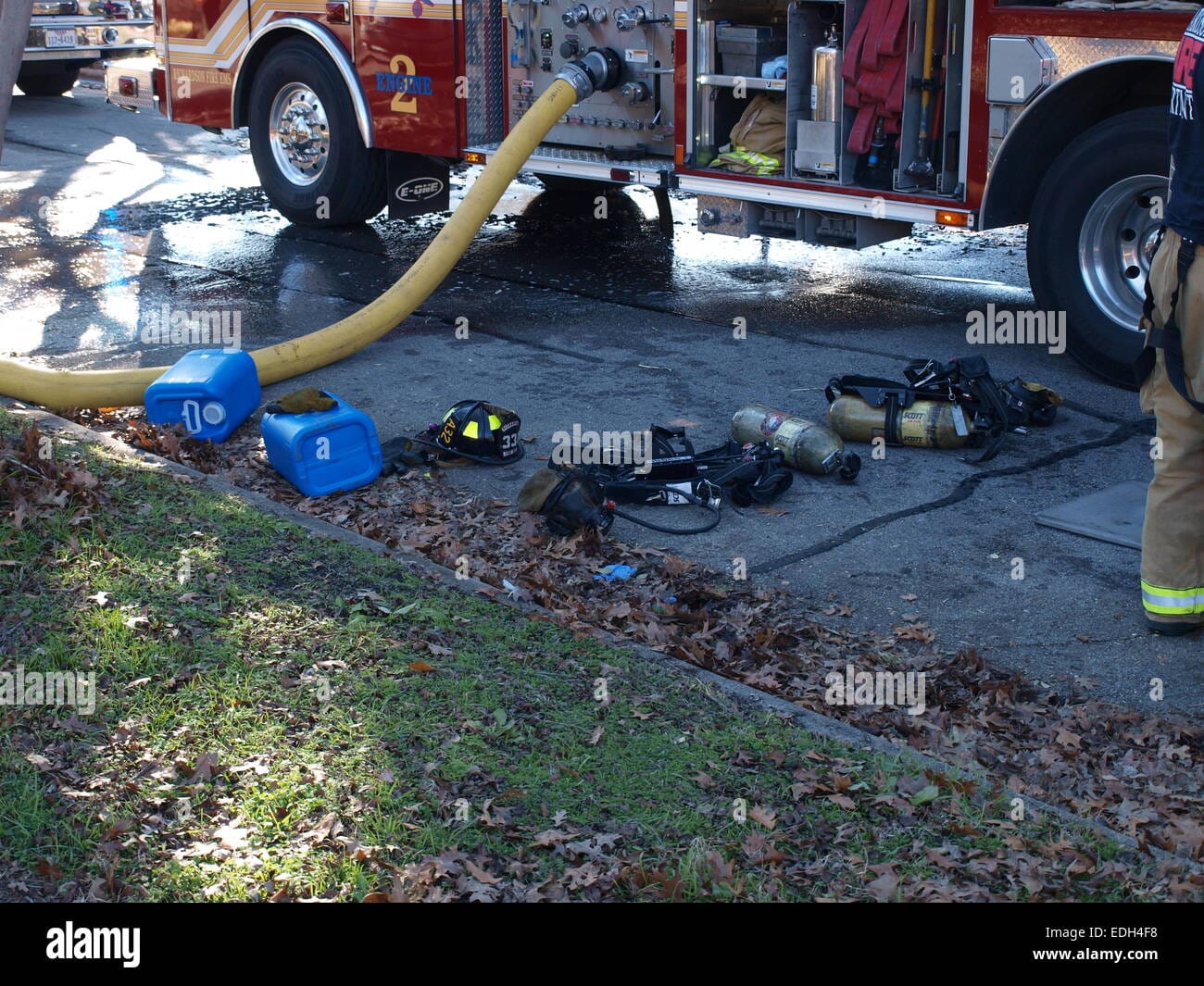
Moreover, local officials are coordinating with emergency services to ensure that critical needs are addressed during this weather event. Emergency response teams are on alert in preparation for any incidents that may arise due to the severe conditions. The possibility of power outages from snow-laden trees, as well as other weather-related incidents, adds another layer of concern. Utilities are working to respond quickly to any outages, and citizens are encouraged to report any downed power lines or hazardous situations.
Public safety officials stress the importance of preparing for various winter weather scenarios. Residents should be aware of the potential for icy roads and reduced visibility, especially in the early morning and late evening hours as temperatures drop. Those who must travel are advised to bundle up in warm clothing, keep emergency kits in their vehicles, and ensure their headlights and taillights are functioning properly. As many Minnesotans rely on their cars to commute to work or run essential errands, following these tips can help mitigate risks associated with winter travel.
Schools and businesses are also being affected by the storm. Many local school districts have opted for remote learning or have opted to cancel in-person classes altogether. This decision aims to prioritize the safety of students and staff during inclement weather. Businesses, too, are evaluating their operating schedules, considering the safety of employees and customers while also assessing the challenges posed by the winter conditions.
The economic implications of snow emergencies cannot be overlooked. While the winter season is a familiar phenomenon in Minnesota, significant snowfall can lead to lost productivity and increased operational costs for businesses. Travel disruptions can result in delays in supply chains and logistical challenges that affect both local economies and residents’ day-to-day lives. Industries that rely on outdoor work may find their activities halted altogether due to the weather.
In light of the ongoing response to this winter storm, community engagement is crucial. Neighbors are encouraged to look out for one another, particularly for vulnerable populations, including the elderly and those without access to reliable transportation. Local organizations and agencies may also provide resources, such as warming centers or food assistance, for those in need during extreme weather conditions.
As the storm continues to evolve, the Minnesota Department of Transportation and city officials will be monitoring conditions in real-time. With changing weather patterns, the response strategy may shift, so staying informed through official channels is essential. The feasibility of travel will be contingent on ongoing assessments of roadway safety, resource availability, and community compliance with emergency protocols.
In conclusion, the current winter storm impacting Minnesota is a reminder of the challenges posed by adverse weather conditions. As officials take necessary steps to protect public safety and facilitate travel as effectively as possible, residents must remain vigilant and prepared. Adhering to local regulations and staying informed will be vital in navigating the upcoming days of potentially hazardous conditions.