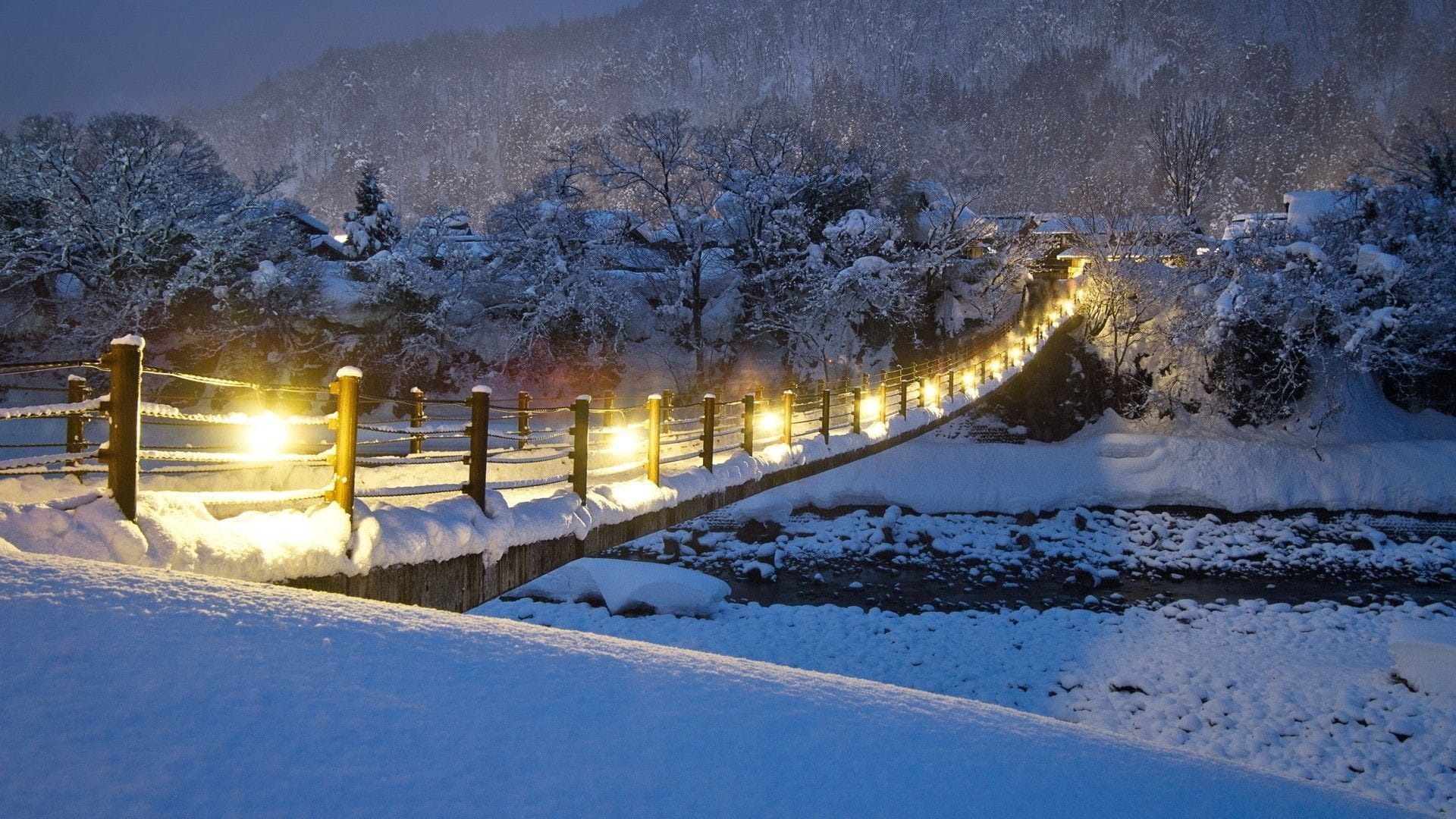
A formidable winter storm swept through the Mid-Atlantic and Northeast regions this week, delivering a wintry mix of snow, sleet, and freezing rain, as meteorologists issued warnings to over 100 million people. The storm, which began intensifying in the Midwest, reached its full force as it moved eastward, enveloping major metropolitan areas and smaller communities alike.
The storm’s effects were felt broadly across the region, disrupting daily routines and causing significant safety concerns. Authorities warned residents of potentially hazardous road conditions, urging them to stay home if possible. Airports experienced widespread delays and cancellations as airlines grappled with low visibility, icy runways, and reduced crew availability.
Snowfall totals varied widely across the affected areas, with some regions reporting accumulations of over a foot, while others experienced a dangerous glaze of ice that hampered transportation and raised concerns about power outages. Cities along the I-95 corridor, including Washington, D.C., Philadelphia, New York City, and Boston, saw diverse effects ranging from sleet to heavy snow, making commutes a daunting challenge for millions.
In suburban and rural areas, the impact was similarly harsh. Many communities in states such as Pennsylvania, Maryland, and New Jersey faced road closures due to icy conditions and fallen trees. Emergency management teams worked tirelessly to clear roadways and ensure access for first responders.
Meteorologists explained that this particular storm system developed under unique conditions allowing for a combination of freezing temperatures and moisture-laden air masses. These conditions resulted in the simultaneous occurrence of snowfall, sleet, and freezing rain across different areas under the same storm framework. Such mixed precipitation compounded challenges for snow-removal teams and reduced the effectiveness of road treatment measures like salting and plowing.
Power companies across the region reported ongoing efforts to address outages caused by ice-laden trees and power lines, with some areas predicted to remain in the dark for several days. High winds added another layer of complexity to the storm’s impact, bringing down additional lines and impeding repair efforts in mountainous regions.
In urban centers, the storm forced mayors and city councils to declare states of emergency, enabling the deployment of additional resources. Public transport was partially suspended in many areas, with cancellations on bus and rail networks. Residents were urged to check for updates and make contingency plans, and shelters were opened in some cities to assist those in need.
Government officials emphasized the importance of preparation and heedfulness to weather advisories. “We are working around the clock to keep roads as clear as possible and to provide accurate information to the public,” said a representative of the New York State Department of Transportation. “However, conditions remain challenging, and we urge everyone to stay off the roads if they can.”
Schools across affected regions were closed, with some districts announcing virtual learning as an alternative. Businesses either closed their doors or shifted to remote work policies to ensure employee safety. Meanwhile, grocery stores and gas stations saw an influx of early shoppers stocking up on essentials.
As residents braced for the storm’s aftermath, attention turned toward its economic and logistical implications. Experts noted that while winter storms of this magnitude are not uncommon, their timing and duration in densely populated areas can significantly disrupt commerce. From delayed cargo deliveries to temporarily shuttered restaurants and retail outlets, the storm’s economic impact may echo beyond its physical toll.
Looking ahead, forecasters warned that conditions might remain volatile in the coming days with the arrival of colder temperatures. Additionally, melting snow and ice may create risks of flooding in low-lying areas. Emergency responders, meteorologists, and community leaders remain vigilant, emphasizing a coordinated approach to managing the storm’s lingering effects.
Historically, winter storms such as this are a reminder of the vulnerability of modern infrastructure to extreme weather. The storm has reignited conversations about climate change and its influence on the intensity and unpredictability of weather patterns. While the immediate focus lies in mitigating the storm’s impact, policymakers will likely revisit discussions on preparedness and infrastructure resilience as part of long-term planning.
In the immediate term, officials strongly recommended residents continue to monitor weather updates and practice safety precautions, including limiting travel, checking on vulnerable neighbors, and being prepared for extended outages. As the region works to recover, a shared sense of community and vigilance remains essential.