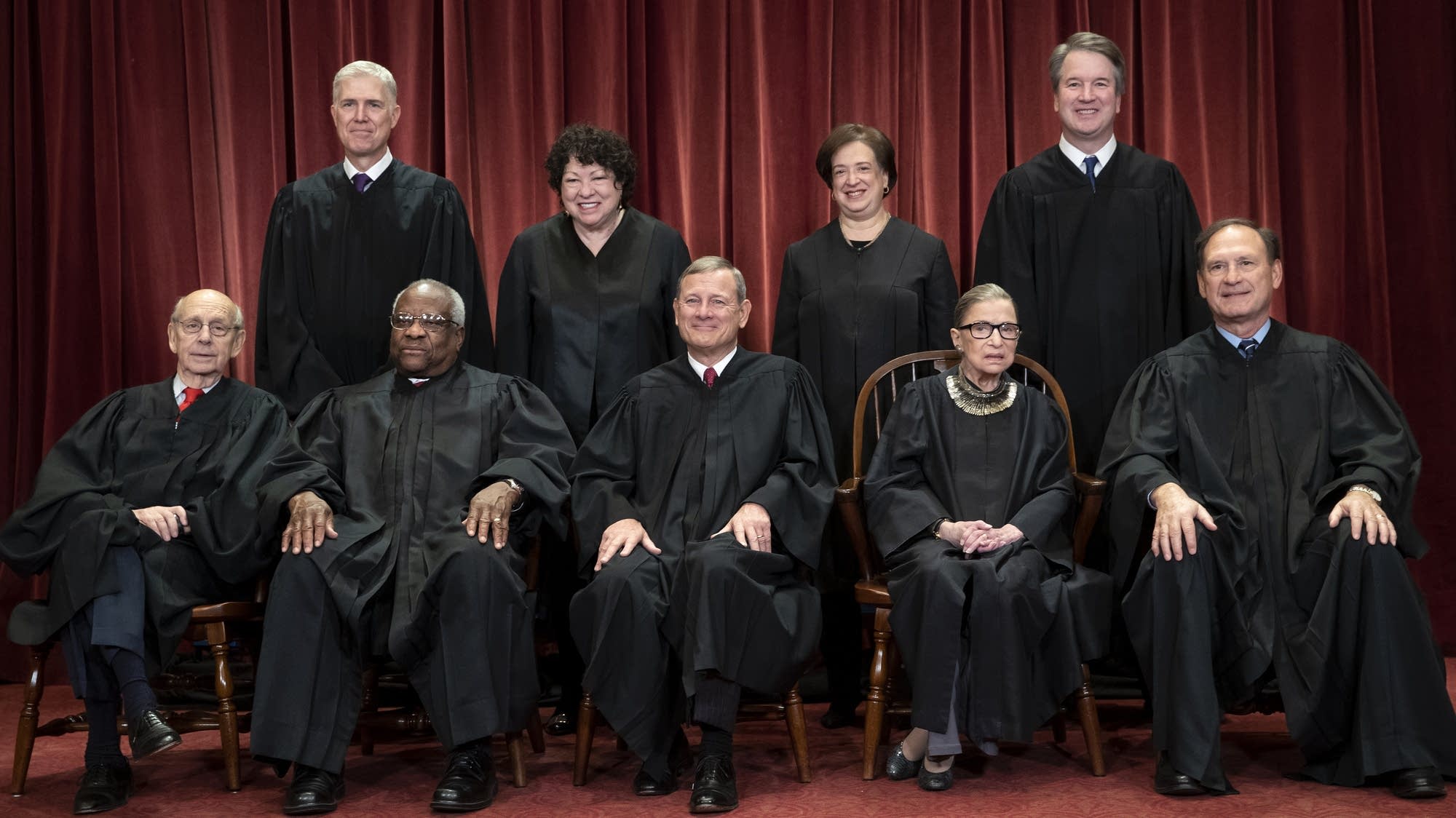
In a significant development regarding judicial ethics, U.S. Senator Dick Durbin has publicly accused Supreme Court Justices Clarence Thomas and Samuel Alito of potentially violating federal disclosure laws. This assertion is based on the findings of a newly released report that scrutinizes the financial dealings of both justices, raising questions about their adherence to ethical standards expected of high-ranking members of the judiciary.
Senator Durbin, who is the chairman of the Senate Judiciary Committee, emphasized the importance of transparency in the Supreme Court, arguing that public trust in the judiciary hinges on the ethical conduct of its members. The report in question elaborates on specific financial transactions and relationships that may not have been disclosed as required under the law. These allegations come amidst a broader discussion regarding judicial accountability and the standard of ethical behavior among Supreme Court justices, a topic that has gained significant attention in recent years.
Published by a nonpartisan watchdog group, the report draws on a variety of sources to assemble its findings, including financial disclosures, media reports, and previously unexamined documents. According to the report, Justice Thomas has faced scrutiny for his significant ties to individuals and organizations with interests in cases that may come before the Supreme Court. Moreover, it highlights a series of luxury vacations and financial benefits received by Thomas from prominent Republican donors, suggesting that these arrangements may not have been adequately reported.
On the other hand, Justice Alito is also named in the report for his involvement in social and financial interactions with entities involved in debates on critical legal issues. Specific instances include a flight on a private jet owned by a billionaire who has had interests in cases addressing matters such as campaign finance and environmental regulations. Such interactions raise eyebrows, particularly when considering the potential conflicts that may arise from these financial connections.
Durbin stated that both justices “must be held to the highest standards” and that the integrity of the Supreme Court should never be at stake. He argued that these allegations necessitate a thorough investigation into the financial practices of justices, as a failure to uphold disclosure laws could undermine the court’s credibility. This call for scrutiny is not isolated; it reflects a growing movement among lawmakers and activists who are pushing for stricter ethical standards within the judicial system, especially concerning the Supreme Court, which has come under fire for perceived lack of transparency.
In response to the allegations, representatives for Justices Thomas and Alito have firmly denied any wrongdoing. The spokesperson for Justice Thomas remarked that the inquiries and reports about his financial dealings are politically motivated, noting that Thomas has followed ethical guidelines for nearly three decades of judicial service. Similarly, Justice Alito’s camp has expressed concern over what they describe as a politicization of the judiciary, arguing that the current scrutiny of justices is unprecedented and poses dangers to judicial independence.
This situation has sparked a broader conversation about the lack of stringent ethical rules governing Supreme Court justices compared to other federal judges. While lower court judges are required to adhere to a set of ethical guidelines laid out by the Judicial Conference, the justices of the Supreme Court are not held to the same level of accountability, leading to criticism and calls for reform. Legal experts have noted that this disparity creates an environment ripe for potential ethical dilemmas, further complicating the role of the Supreme Court in upholding the rule of law.
In the midst of these discussions, various legal scholars and advocacy groups continue to push for legislation aimed at enhancing transparency and accountability among Supreme Court justices. Proposals range from requiring justices to comply with the same financial disclosure regulations applicable to other federal judges to establishing a code of conduct explicitly designed for the Supreme Court. As these conversations develop, all eyes will be on how Congress chooses to respond to the concerns raised by Senator Durbin and others who advocate for ethical reform.
The ongoing scrutiny of the Supreme Court justices brings to light crucial questions about judicial ethics and the future of judicial accountability in the United States. As the matter unfolds, it will be critical to monitor any developments in both the investigation into the allegations and the legislative efforts aimed at reforming the ethical standards governing the judiciary.


