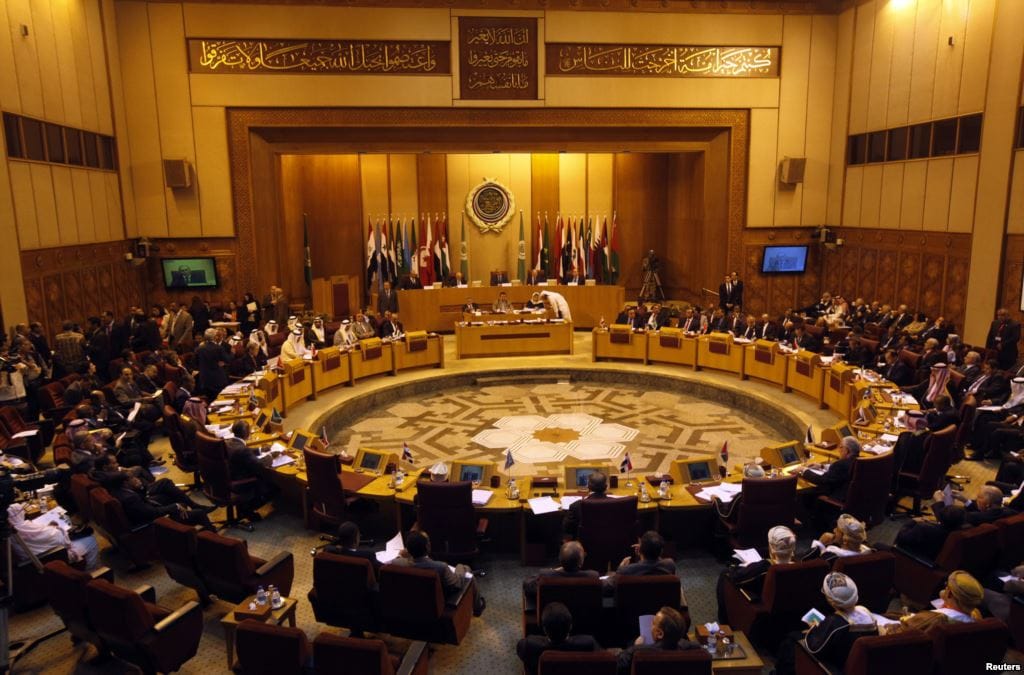
The Syrian conflict, which began in 2011, has led to a catastrophic humanitarian crisis, with millions displaced and countless lives lost. In light of this protracted turmoil, a recent meeting involving high-ranking officials from the United States, Turkey, and several Arab nations has underscored the urgent need for a peaceful transition in Syria. This gathering marks a pivotal moment in regional diplomacy, as these nations seek to collaborate on strategies that would facilitate stability and recovery in the war-torn country.
The discussions were centered around the idea that a sustainable resolution to the Syrian crisis must involve a comprehensive political process. Officials emphasized that all Syrian factions should be included in dialogue aimed at establishing a framework for governance and rebuilding the nation. The necessity for inclusivity in the peace process was a recurring theme, as it is widely recognized that lasting peace cannot be achieved without the participation of diverse political and social groups within Syria.
The United States has played a significant role in advocating for a peaceful resolution to the conflict. American officials have reiterated their commitment to supporting Syrian voices that call for reform and democratic governance. This support is reflected in the U.S. policy, which has aimed to provide humanitarian assistance to those affected by the war while also applying diplomatic pressure on the Assad regime to engage in meaningful negotiations.
Turkey, which shares a border with Syria and has been significantly affected by the conflict, has also been vocal about the need for a peaceful transition. Turkish officials have expressed concerns regarding the spillover effects of the conflict, including the influx of refugees and the rise of extremist groups. Turkey’s involvement in the discussions highlights its strategic interest in ensuring that a stable and secure Syria emerges from the conflict, as it would directly impact Turkish national security.
Arab nations have increasingly engaged in the Syrian issue, recognizing the importance of regional stability. Countries such as Saudi Arabia, the United Arab Emirates, and Egypt have begun to re-establish diplomatic ties with the Syrian government, signaling a shift in their approach. These nations are advocating for a collective effort to address the humanitarian needs of the Syrian population while also pushing for a political solution that would end the violence.
The humanitarian aspect of the crisis remains a pressing concern. Millions of Syrians are currently displaced, living in precarious conditions both within Syria and in neighboring countries. The international community has been called upon to increase its support for humanitarian efforts, which are essential for alleviating the suffering of those affected by the conflict. The collaborative stance taken by the U.S., Turkey, and Arab officials reflects a growing recognition that addressing humanitarian needs is integral to any long-term solution.
As these discussions progress, the role of international organizations, such as the United Nations, will be critical in facilitating dialogue and providing a platform for negotiations. The UN has long been involved in efforts to mediate the conflict, and its expertise in conflict resolution will be invaluable in guiding the peace process.
Furthermore, the involvement of various stakeholders in the peace talks is crucial. The Syrian opposition, civil society groups, and minority communities must be included in discussions to ensure that the resulting agreements are representative and address the diverse needs of the Syrian populace. The complexity of the Syrian conflict, characterized by multiple factions and external influences, necessitates a multifaceted approach to peacebuilding.
In conclusion, the recent backing from U.S., Turkish, and Arab officials for a peaceful transition in Syria represents a hopeful step toward resolving one of the most devastating conflicts of our time. The emphasis on inclusivity, humanitarian support, and international cooperation will be essential as these nations work together to foster stability and rebuild Syria. The path to peace will undoubtedly be challenging, but the commitment shown by regional leaders signals a collective determination to end the suffering and restore normalcy to the lives of millions of Syrians.