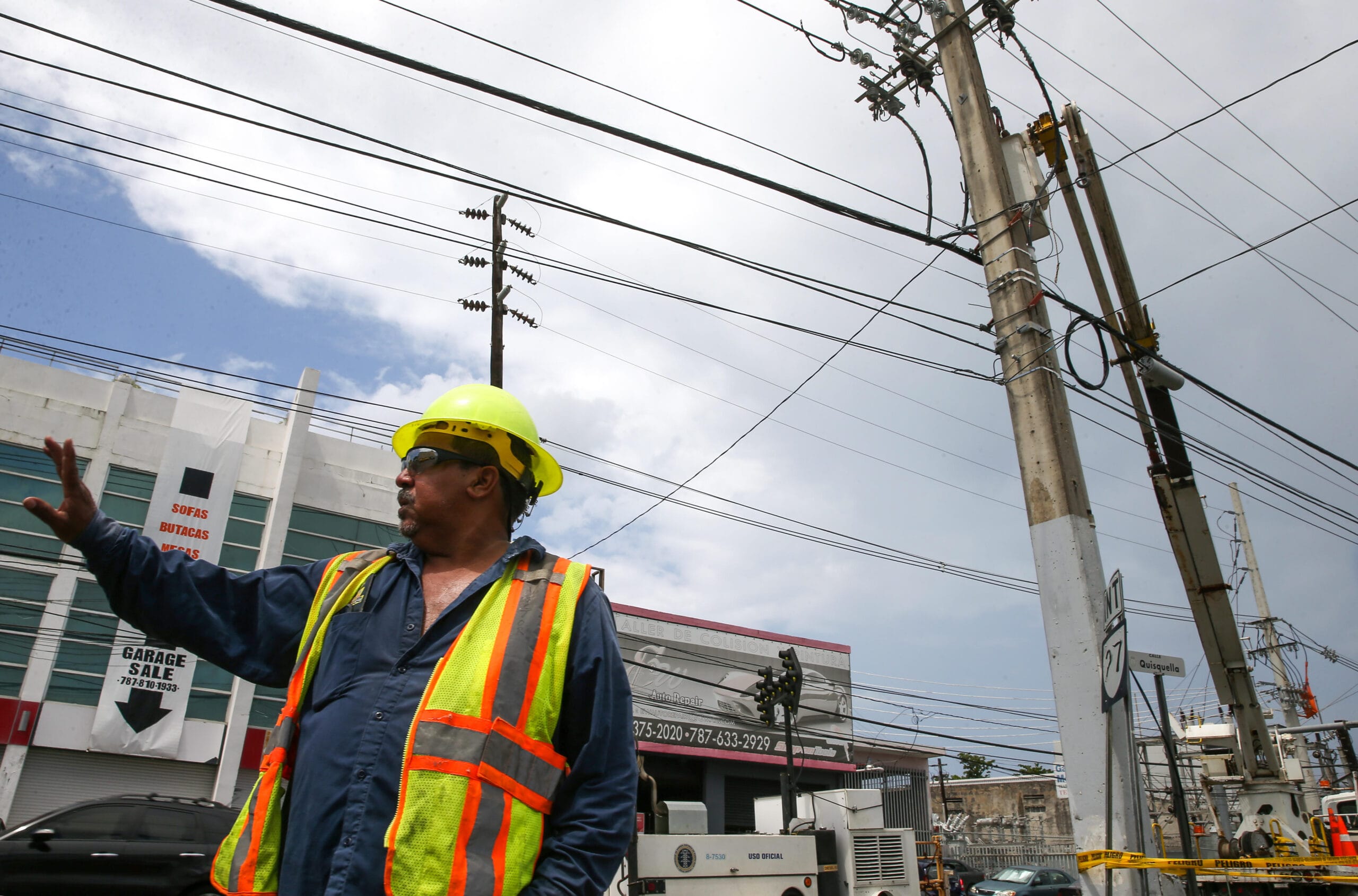
On a recent day marked by unexpected challenges, Puerto Rico’s power grid suffered a major collapse, affecting thousands of residents across the island. The incident has raised concerns about the resilience of the electrical infrastructure, which has faced numerous challenges in recent years, including the aftermath of Hurricane Maria in 2017 and ongoing financial difficulties within the Puerto Rico Electric Power Authority (PREPA).
The collapse occurred during a period of increased demand for electricity, as many residents were relying on power for cooling and other essential services. Reports indicate that the failure resulted from a combination of factors, including aging infrastructure and adverse weather conditions. As a result, PREPA officials have stated that it may take as long as two days to restore power to all affected areas.
In response to the crisis, local and federal authorities have mobilized resources to address the situation. Emergency crews have been dispatched to assess the damage and implement repair strategies. The Federal Emergency Management Agency (FEMA) has also offered assistance, providing support for both immediate repairs and long-term improvements to the power grid.
Residents have expressed frustration over the recurring issues with the power supply, which have become a common occurrence in recent years. Many have taken to social media to voice their concerns and share their experiences during the outage. Some individuals have reported difficulties in accessing essential services, such as medical care and food supplies, due to the lack of electricity.
PREPA has acknowledged the challenges it faces in maintaining and upgrading the power grid. The agency has been under scrutiny for its management practices and financial stability, which have hindered its ability to make necessary improvements to the infrastructure. The recent collapse has intensified calls for reform and investment in the energy sector to ensure a more reliable power supply for the residents of Puerto Rico.
As the restoration efforts continue, officials are urging residents to remain patient and prepared for potential delays in service. They have emphasized the importance of safety during this time, advising individuals to avoid downed power lines and report any hazards to local authorities. Additionally, residents are encouraged to conserve energy where possible to help ease the strain on the grid as it comes back online.
The situation in Puerto Rico serves as a reminder of the vulnerabilities that can exist within energy infrastructure, particularly in regions prone to natural disasters. The ongoing challenges faced by PREPA and the power grid highlight the need for comprehensive planning and investment in resilient energy solutions. As the island seeks to recover from this latest setback, the focus will likely shift toward long-term strategies that can enhance the reliability and sustainability of Puerto Rico’s power supply.
In conclusion, the collapse of Puerto Rico’s power grid has led to widespread outages, with restoration efforts expected to take up to two days. The incident underscores the ongoing issues within the electrical infrastructure and the need for continued investment and reform. As local and federal agencies work to restore power, the resilience of Puerto Rico’s energy system remains a critical concern for residents and officials alike.