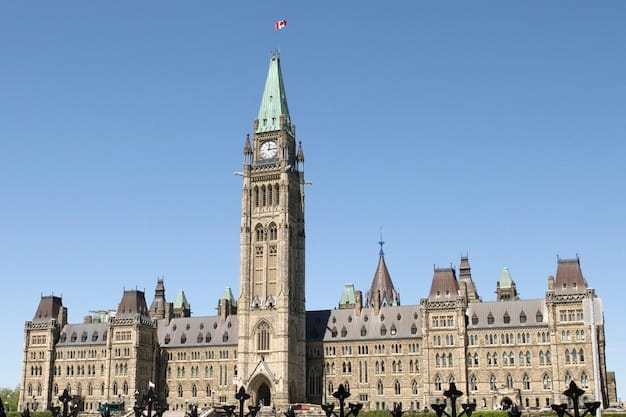
The departure of Prime Minister Trudeau marks the beginning of a new era for Canada. As the nation grapples with the consequences of his leadership, it is essential to examine the potential implications of a new political landscape on the national stage and the potential shifts in domestic and international policies.
Although the full implications of a leadership change may not be immediately apparent, the Canadian government will undoubtedly experience some adjustments in its direction and priorities. As the nation reflects on Trudeau’s tenure, it is important to recognize that his departure does not mean the end of progress or positive change. On the contrary, a new leader could offer fresh perspectives and approaches to addressing the lingering challenges facing the country.
One of the most significant issues that Canada must address is its crumbling infrastructure. As the nation’s population continues to grow and urban centers expand, investing in transportation, telecommunications, and energy systems has become a top priority. A new government could help develop more robust solutions to ensure that the nation can continue to prosper and meet the needs of its people.
Additionally, the election of a new leader presents a unique opportunity to address the growing divide between urban and rural Canada. The government will need to find a balanced approach that addresses the unique challenges faced by both regions, ensuring that resources and infrastructure investments are allocated fairly and effectively.
International relations will also play a significant role in determining the direction of Canada’s new government. While Trudeau’s tenure focused on building relationships with nations like China and renewing traditional partnerships with countries such as the United States and the United Kingdom, the future government may pursue an alternative approach. A new administration could prioritize relationships with developing nations or renew its commitment to multilateral organizations such as the United Nations and the World Trade Organization.
Moreover, the environment and climate change continue to be major concerns for Canada’s future. The new government must recognize the importance of transitioning to a greener and more sustainable future and make significant investments in renewable energy and energy-efficient technologies. This forward-thinking approach will not only benefit the environment but will also create much-needed employment opportunities.
As Canada transitions into a new political age, it is crucial to embrace change and continue to strive for progress. By addressing the challenges that lie ahead and seizing newfound opportunities, the nation will be well-positioned for a bright and prosperous future.

