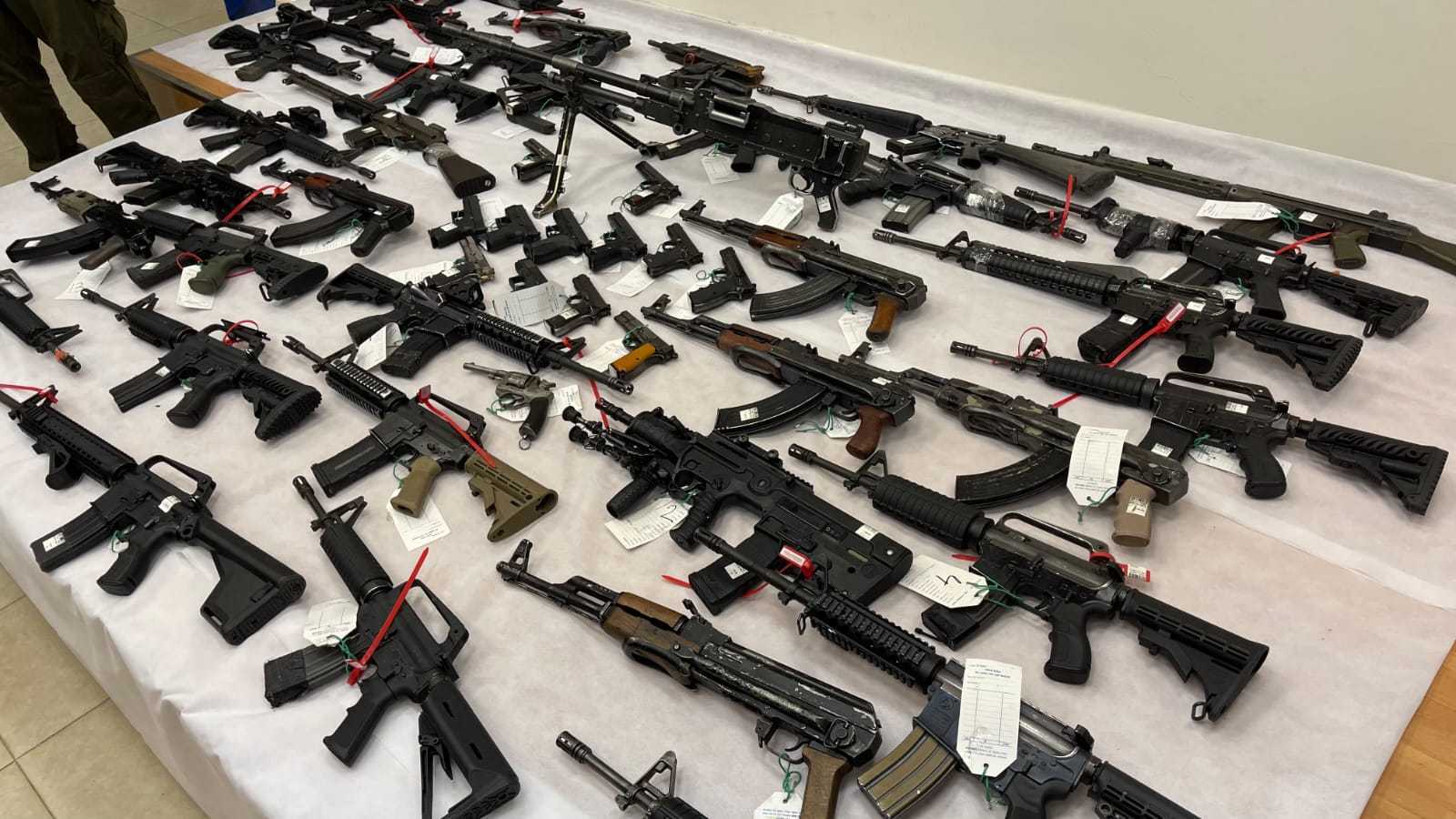
In a shocking revelation, multiple investigations have uncovered that certain police officers across various jurisdictions have been implicated in the illegal sale of restricted weapons. This troubling trend not only raises serious ethical questions about law enforcement but also poses a significant threat to public safety. Reports indicate that these officers are selling firearms that are typically reserved for military or law enforcement use, including automatic weapons and high-powered rifles, to criminal organizations and individuals with violent histories.
The implications of this corruption are dire. According to the Bureau of Alcohol, Tobacco, Firearms and Explosives (ATF), the illegal trafficking of firearms is a primary driver of violent crime in urban areas. In cities like Chicago and Los Angeles, police involvement in these illicit sales has been linked to an increase in gang violence and drug-related shootings. The ATF has noted that firearms sold illegally often end up in the hands of repeat offenders, exacerbating the cycle of violence.
A recent investigation by the Associated Press revealed that a number of officers from a major city police department were found to have sold weapons through online marketplaces, bypassing legal channels entirely. These officers reportedly used their positions to acquire restricted firearms, which they then sold for profit, often to individuals who were prohibited from owning firearms due to prior convictions.
The fallout from these revelations has been swift. Police departments across the country are now under increased scrutiny, with many implementing stricter oversight and accountability measures to prevent further corruption. In response to public outcry, several states are considering legislative changes aimed at closing loopholes that allow for the illegal sale of weapons by law enforcement officers.
Experts warn that the problem is systemic and not limited to a few bad actors. According to Dr. Sarah Thompson, a criminologist at the University of Chicago, “When police officers engage in illegal activities, it erodes trust in law enforcement and can lead to an increase in crime. Communities become less willing to cooperate with police, which makes it harder to combat crime effectively.”
As investigations continue, the call for reform grows louder. Advocates for police accountability are urging for comprehensive reviews of police practices and stronger penalties for officers found guilty of misconduct. The issue of police corruption in the sale of restricted weapons is not just a legal matter; it is a public safety crisis that demands immediate attention and action from both lawmakers and law enforcement agencies.
In conclusion, the illegal sale of restricted weapons by police officers is a deeply troubling issue that threatens the safety of communities and undermines the integrity of law enforcement. As investigations unfold and reforms are proposed, it is crucial for the public to remain vigilant and demand accountability from those sworn to protect them.


