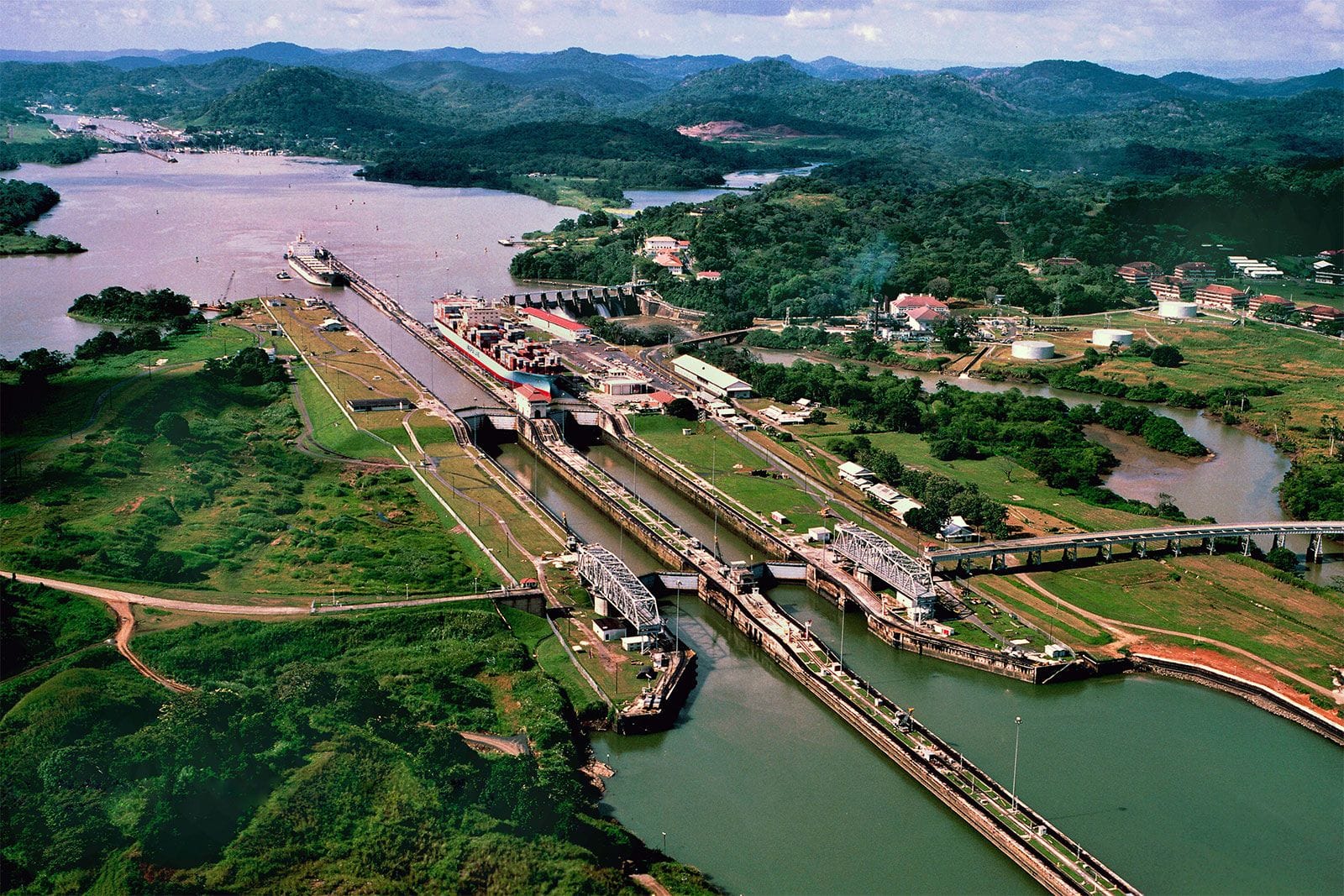
In a notable development in international relations, the government of Panama has officially responded to remarks made by former U.S. President Donald Trump regarding the Panama Canal. During a recent rally, Trump suggested that he would pursue efforts to reclaim the canal, which has been under Panamanian control since December 31, 1999, following the terms of the Torrijos-Carter Treaties signed in 1977. The treaties established the framework for the transfer of control from the United States to Panama, marking a significant moment in the country’s history and its quest for sovereignty.
The Panamanian government, led by President Laurentino Cortizo, swiftly rejected Trump’s comments, asserting that the canal is an integral part of Panama’s national identity and sovereignty. In a statement released by the Ministry of Foreign Affairs, officials emphasized that the canal is not only a vital economic asset for Panama but also a symbol of the country’s independence. The statement reiterated that the sovereignty over the canal is non-negotiable and that any claims to the contrary are unfounded.
The Panama Canal, which connects the Atlantic and Pacific Oceans, has long been a strategic waterway for global trade. Its construction was completed in 1914, and for much of the 20th century, it was operated by the United States. The transfer of control to Panama was a significant milestone, reflecting the country’s aspirations for self-determination and governance. Since the handover, Panama has managed the canal effectively, generating substantial revenue and playing a crucial role in international shipping.
Trump’s comments have sparked a wave of reactions, both domestically and internationally. While some supporters may view his statements as a call to restore American influence, many in Panama see them as a misunderstanding of the historical context and the current realities of the canal’s operation. The Panamanian government has made it clear that it values its relationship with the United States but will not entertain any discussions that undermine its sovereignty.
In the wake of Trump’s remarks, analysts have pointed out the potential implications for U.S.-Panama relations. The two countries have maintained a cooperative partnership, particularly in areas such as trade, security, and environmental issues. However, statements that challenge Panama’s sovereignty could strain these relations and lead to diplomatic tensions. Experts suggest that it is essential for both nations to engage in constructive dialogue to address any misunderstandings and reinforce their commitment to mutual respect.
The Panama Canal Authority, the entity responsible for the management and operation of the canal, has also weighed in on the matter. In a statement, the authority reaffirmed its commitment to maintaining the canal as a neutral and efficient passage for vessels from around the world. The authority highlighted the importance of the canal to global trade and its role in facilitating economic growth for Panama and its partners.
As the situation unfolds, it remains to be seen how Trump’s comments will impact the broader geopolitical landscape. The canal is not only a critical infrastructure asset for Panama but also a key player in international maritime trade. Any discussions regarding its control or management must take into account the historical agreements that have shaped its current status.
In conclusion, the Panamanian government’s rejection of Donald Trump’s claims regarding the Panama Canal underscores the importance of sovereignty and historical context in international relations. As both nations navigate their partnership, it is crucial to foster an environment of respect and understanding, ensuring that the legacy of the canal continues to benefit both Panama and the global community.


