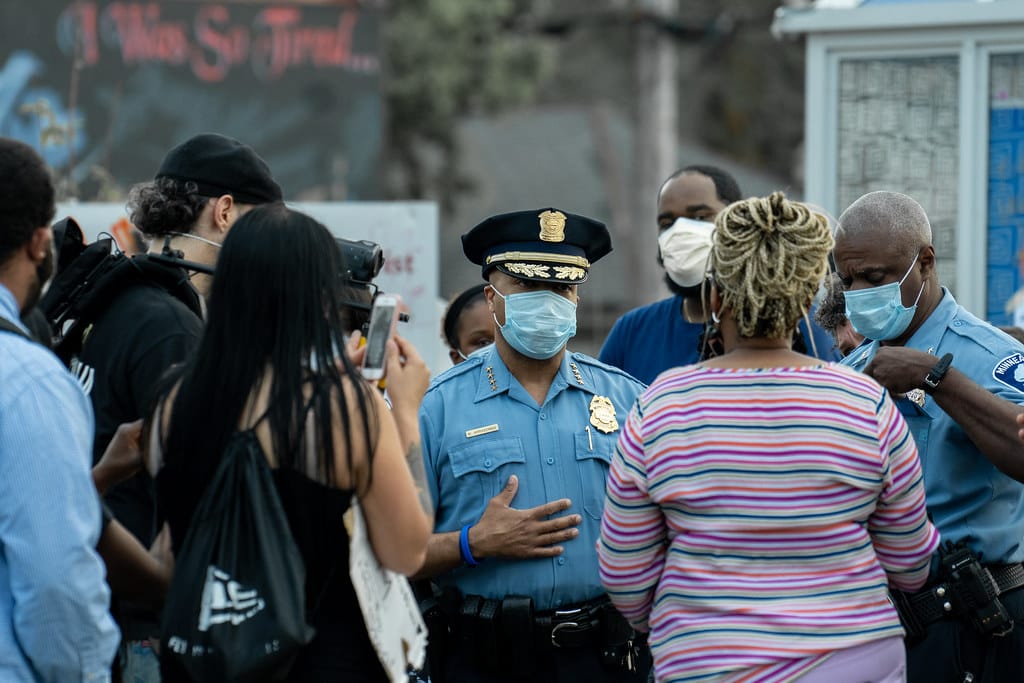
The agreement between the U.S. Department of Justice (DOJ) and the Minneapolis Police Department marks a significant step towards reforming policing practices in the city. This initiative follows a series of high-profile incidents that raised serious questions about the conduct of law enforcement officers and the systemic issues within the department. The agreement is designed to address these concerns and implement necessary changes that promote accountability, transparency, and community trust.
One of the primary goals of the agreement is to enhance accountability within the Minneapolis Police Department. This will involve the establishment of clear standards and procedures for officer conduct, as well as mechanisms for investigating and addressing misconduct. The DOJ has emphasized the importance of holding officers accountable for their actions, particularly in cases involving excessive use of force or discriminatory practices. The agreement outlines specific measures to ensure that officers are held responsible for their actions, which is crucial for rebuilding community trust.
Another significant aspect of the agreement is the focus on training and education for police officers. The DOJ has mandated that the Minneapolis Police Department implement comprehensive training programs that address issues such as de-escalation techniques, bias recognition, and community engagement. These training initiatives are intended to equip officers with the skills necessary to handle various situations more effectively and to interact with community members in a respectful and constructive manner. The emphasis on training reflects a broader recognition that effective policing requires not only the enforcement of laws but also an understanding of the communities officers serve.
The agreement also addresses the need for improved data collection and analysis within the police department. The DOJ has mandated that Minneapolis establish robust systems for tracking incidents of use of force, stops, and arrests. This data will be crucial for identifying patterns of behavior and ensuring that the department can respond to issues of concern. By analyzing this data, the Minneapolis Police Department will be better positioned to implement targeted interventions and measure the effectiveness of its reform efforts.
Community engagement is another cornerstone of the agreement. The DOJ recognizes that successful policing relies on strong relationships between law enforcement and the communities they serve. As part of the reform process, the Minneapolis Police Department is required to establish regular channels for community input and feedback. This will involve creating advisory boards and holding community meetings to foster dialogue between police officers and residents. By prioritizing community engagement, the department aims to rebuild trust and ensure that policing practices reflect the needs and concerns of the community.
Moreover, the agreement mandates a review of the Minneapolis Police Department’s use of force policies. The DOJ has called for a comprehensive evaluation of existing policies to ensure they are aligned with best practices and promote the sanctity of life. This includes a thorough examination of the circumstances under which force can be used and the types of force that are permissible. The goal is to create a framework that minimizes the use of force and prioritizes de-escalation whenever possible.
The implementation of these reforms will be monitored closely by the DOJ, which will conduct regular assessments to evaluate the progress made by the Minneapolis Police Department. This oversight is intended to ensure that the department remains accountable and committed to enacting the changes outlined in the agreement. The DOJ has indicated that it will work collaboratively with the city and the police department to support the implementation process and provide technical assistance as needed.
As the Minneapolis Police Department embarks on this reform journey, it faces both challenges and opportunities. The path to meaningful change will require a concerted effort from all stakeholders, including law enforcement, community members, and city officials. The success of these reforms will ultimately depend on the willingness of the department to embrace a culture of accountability and transparency, as well as the commitment of the community to engage in the process.
In conclusion, the agreement between the U.S. Department of Justice and the Minneapolis Police Department represents a critical step towards addressing systemic issues within the department and fostering a more equitable and just policing environment. By focusing on accountability, training, data collection, community engagement, and policy evaluation, the agreement aims to create a framework for sustainable reform. The implementation of these measures will be closely monitored, and their success will depend on the collaboration and commitment of all parties involved.