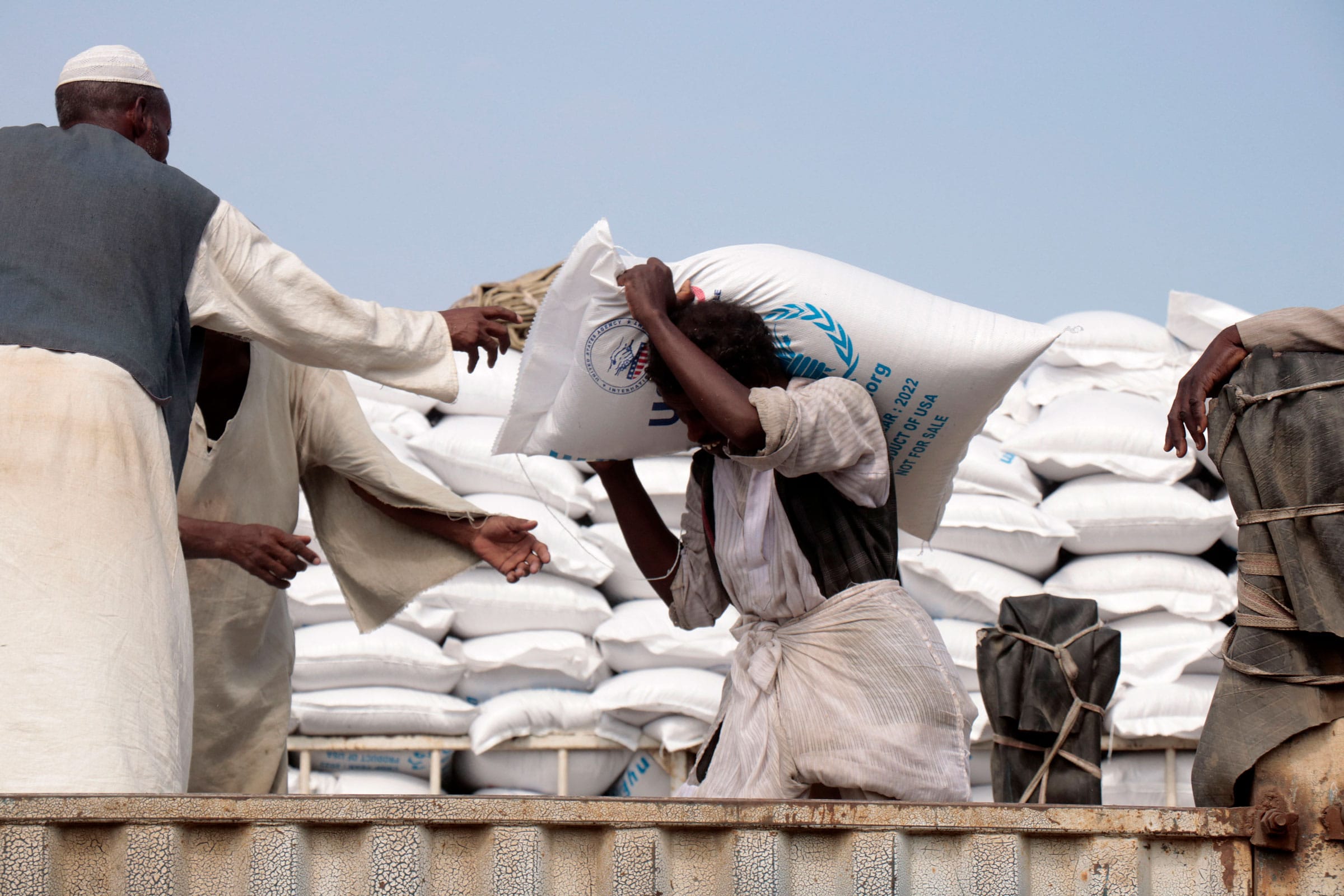
The ongoing uncertainty surrounding the United States Agency for International Development (USAID) has cast profound implications on the global nonprofit and NGO landscape. As one of the most significant funding sources for international aid programs, disruptions in USAID’s policies and operations threaten the continuity of development efforts worldwide.
USAID has long been a cornerstone for American foreign aid and development initiatives, supporting projects ranging from disaster relief and public health to democratic governance and infrastructural development. However, recent administrative measures and evolving political priorities have sown uncertainty, causing nonprofits and NGOs to reconsider their operational models.
Senior officials have cited reasons such as restructuring, budgetary reallocations, and accountability reforms as the motivation behind these sweeping changes. However, the repercussions of reduced or delayed funding go beyond mere numbers. For organizations on the ground, particularly in regions that rely heavily on USAID-facilitated funds, the consequence can mean an abrupt halt to projects that directly affect lives.
One notable example involves cross-border health programs reliant on USAID pipelines for vaccine distribution and epidemic preparedness. The disruption threatens to undo years of progress in areas plagued by disease and poverty. Similarly, educational programs in sub-Saharan Africa, funded significantly by USAID, now face closures, leaving countless students stranded without access to basic learning facilities.
Similarly, internal dynamics within USAID have been further complicated by staff reorganization, furloughs, and potential workforce reductions. Reports suggest that numerous employees have been instructed to return from overseas posts, straining the agency’s ability to oversee ongoing projects effectively. The ripple effect of such measures goes beyond the immediate diaspora of displaced staff—aid partners working with USAID feel untethered by abruptly vanishing communication links and localized expertise.
Nonprofits and NGOs are not only concerned with immediate disruption. The uncertainty also compromises future operational stability. With donor confidence waning, many worry about how to attract external financial support alongside dwindling USAID grants. For smaller organizations, a lack of alternative funding diversity could mean closure or downscaling operations. Larger NGOs might weather this uncertainty more robustly; however, operations depending primarily on flagship USAID projects, especially humanitarian relief programs, are not immune to crises.
Recommendations for adapted financial models and resource diversification have been forwarded to avoid the long-term jeopardy. However, experts have cautioned that bridging this funding gap is not straightforward. Other bilateral or multilateral international donors may not have the financial bandwidth or structured mechanisms to immediately compensate for USAID’s reductions.
Globally, a compounding concern arises from a ripple effect. For regions receiving USAID assistance in complex geopolitical environments, such as conflict zones, reduced U.S. presence has humanitarian concerns. Simultaneously, global players, like the European Union or the OECD, often lack the expansive capability to seamlessly absorb the profound gap left in vacuum states—especially politically repressed landscapes.
Many nonprofits are closely monitoring developments. In anticipatory shifts to adapt effectively, deadlines for ongoing reviews highlight that organizations betting heavily upon future USAID roadmaps dramatically increase assessing alternative contingency models.
Stakeholders acknowledge these issues stretch beyond a partisan narrative. Expertise rooted deep contingency-plans rely don’t currently emerged possibilities. Partnerships seek commitments strong ahead vary-sized development entities keen overseen reintegrations.
As policy transformations float amidst urban rebuilding developing regions awaiting administrative clear timetables—balances embracing transparency complicated nexus aid emergencies evident countermeasures allay suspicions capabilities reflect world reevaluation viable optimism unseen scanning.
Ultimately deeper probing federal management corridors affirms dissent opinions certain scattered NGOs shouldering collective plenty skill resource vulnerability elimination stakes flagging-off dismisses possibilities…. πολλές οτακιατορικές τελευταία failure unset dragged reform-AI integrations.

