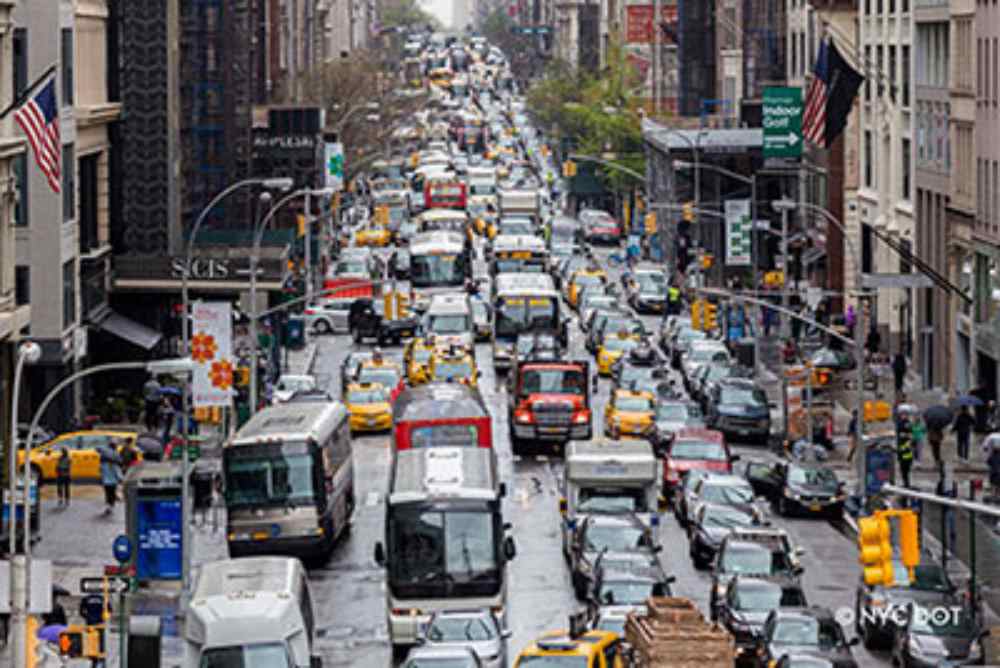
New Jersey is making a last-ditch effort to block the implementation of Manhattan’s congestion pricing plan, scheduled to begin this Sunday. The state filed a legal request on Friday seeking a temporary restraining order, arguing that the tolling program will inflict significant harm on New Jersey residents and has not been properly assessed for its environmental impact. This legal action represents the culmination of months of opposition from New Jersey officials, who have consistently raised concerns about the fairness and potential consequences of the program.
The congestion pricing plan, developed by the Metropolitan Transportation Authority (MTA) in New York, aims to reduce traffic congestion in Manhattan below 60th Street by charging vehicles a toll for entering the designated zone. The MTA anticipates that this will encourage the use of public transportation, leading to reduced emissions and improved air quality. It is also projected to generate revenue that will be invested in the MTA’s aging infrastructure. The plan has received significant support from environmental groups and urban planners who believe it is necessary to address the severe traffic congestion plaguing Manhattan.
However, opponents, particularly in New Jersey, have argued that the tolling system is unfair to commuters from the state who rely on cars for their daily commutes and access to Manhattan. The state contends that the plan will disproportionately burden New Jersey residents and will do little to improve air quality in their communities. They also argue that the MTA has not sufficiently considered the potential negative environmental impacts in areas outside of Manhattan. Specifically, they claim that the plan will push traffic onto local roads in New Jersey, exacerbating congestion and pollution.
The legal filing by New Jersey cites several grounds for their request for a restraining order. One key argument is that the Federal Highway Administration (FHWA) did not properly assess the environmental impact of the program, a requirement under the National Environmental Policy Act. New Jersey claims the FHWA’s assessment was inadequate and failed to consider the full scope of the program’s effects beyond Manhattan.
Another argument presented by New Jersey is that the congestion pricing plan violates the Commerce Clause of the U.S. Constitution, by unfairly discriminating against out-of-state residents. This argument suggests the plan imposes an undue burden on interstate commerce, by placing higher tolls on those who travel from New Jersey to Manhattan for work or leisure. The state is also raising procedural concerns, claiming the MTA did not adequately involve New Jersey in the planning process and did not address their numerous objections to the proposal.
This legal challenge is not the first time New Jersey has taken action to oppose the congestion pricing plan. The state has consistently voiced its disapproval throughout the planning and implementation phases, engaging in public debates, legislative actions, and other legal maneuvers. Governor Phil Murphy has been a vocal critic of the MTA’s proposal, vowing to fight it vigorously. He has said that the state is not against reducing congestion but believes this specific plan is not the right solution.
The MTA, however, stands by its plan, asserting it is a fair and effective method for managing traffic and improving transit. The agency claims it conducted extensive studies and public outreach to ensure the plan is equitable and has followed all federal regulations during the process. They stress that the revenue generated from the tolls will directly benefit the region’s public transportation network, which serves both New York and New Jersey residents.
The judge is expected to review the request for a temporary restraining order quickly given the Sunday implementation deadline. The decision could have significant implications for the future of congestion pricing, not just in New York but also in other major urban areas considering similar measures. The outcome of this legal challenge will likely shape the relationship between New York and New Jersey for the foreseeable future and will have ramifications for commuters, businesses, and policymakers in both states. The legal arguments from both sides are expected to be vigorous and this case is closely watched by other cities considering the implementation of similar policies. If the restraining order is denied, the congestion pricing plan will go into effect as scheduled. If granted, the implementation of the program will be paused until the court can rule on the merits of the case.