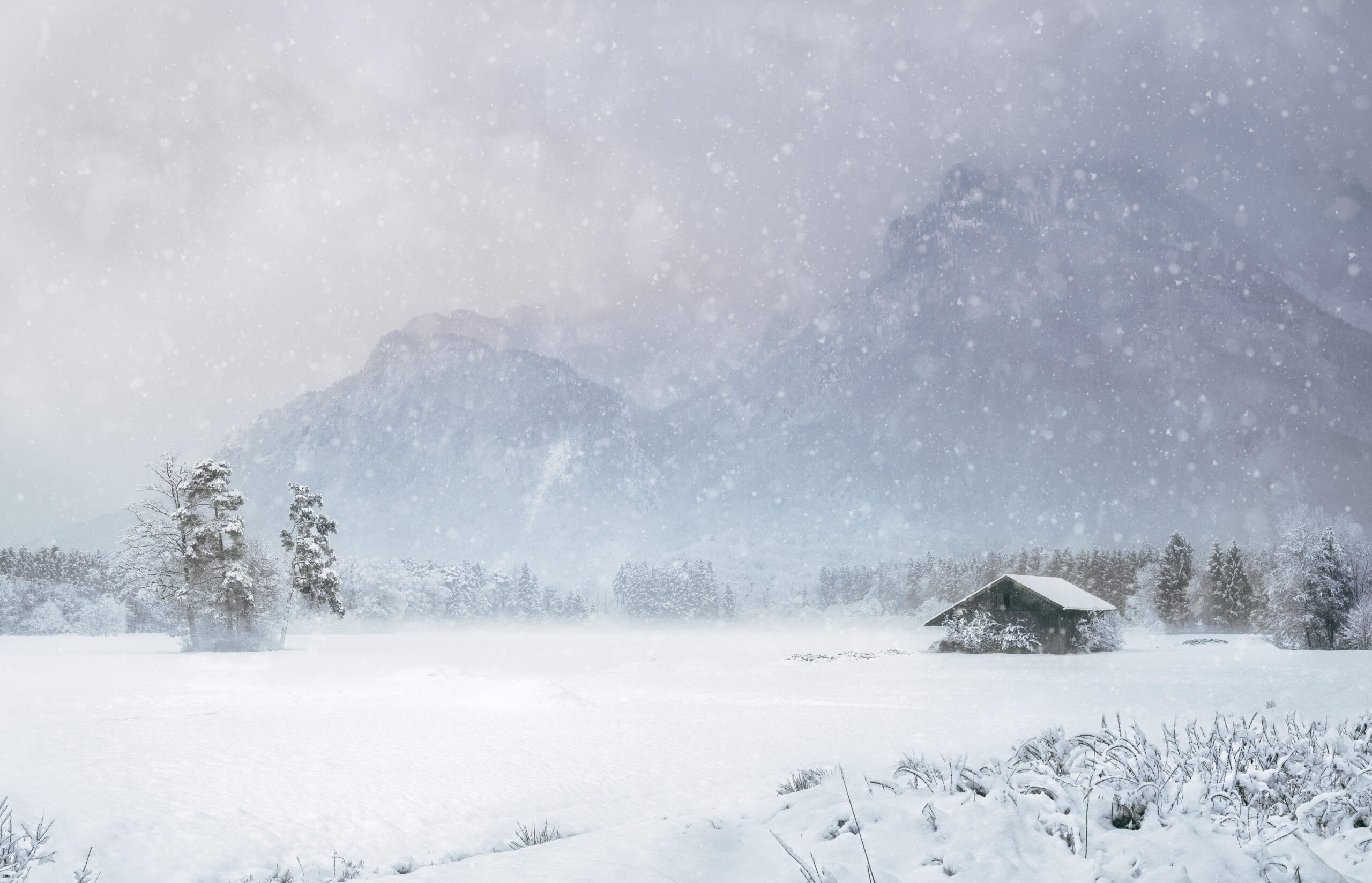
A significant winter storm is on the horizon, poised to unleash a combination of heavy snow and ice across a broad swath of the central and eastern United States. The storm is expected to develop over the coming days, with forecasters warning residents in affected areas to prepare for challenging weather conditions that could disrupt travel and daily activities.
The storm system is anticipated to begin its journey in the Plains, where initial snowfall is expected to accumulate rapidly. Meteorologists predict that regions in states such as Nebraska, Kansas, and Oklahoma will experience some of the most intense snowfall, with totals potentially exceeding a foot in some locations. This heavy snow is likely to create hazardous travel conditions, leading to road closures and delays. Residents are advised to stay updated on weather forecasts and to take necessary precautions if travel is essential.
As the storm progresses eastward, it will encounter warmer air masses, resulting in a complex weather scenario. In areas where temperatures hover around freezing, ice accumulation is expected to pose significant challenges. States in the Mid-Atlantic region, including Virginia, Maryland, and Pennsylvania, are likely to experience a mix of sleet and freezing rain, which can lead to dangerous road conditions and power outages. Ice accumulation on trees and power lines can cause branches to break, leading to potential disruptions in electricity supply.
The National Weather Service has issued winter storm warnings and advisories for several states in the storm’s path. These alerts serve to inform residents of the potential severity of the weather and encourage them to take precautions. It is important for individuals to remain vigilant and heed local advisories as the storm approaches. Preparations may include stocking up on essential supplies, ensuring vehicles are winter-ready, and having an emergency plan in place in case of power outages.
In addition to the immediate impacts on travel and infrastructure, the storm is likely to have broader implications for various sectors. For businesses, especially those reliant on transportation and logistics, the storm’s timing could disrupt supply chains and delivery schedules. Retailers may also see an increase in demand for winter-related products, such as snow shovels, ice melt, and warm clothing, as consumers prepare for the incoming weather.
Emergency services are gearing up for the storm, with local authorities coordinating efforts to ensure public safety. Snow plows and salt trucks will be deployed to clear roads and mitigate the effects of ice accumulation. Residents are encouraged to stay informed about road conditions and to avoid unnecessary travel during the peak of the storm.
As the storm develops, meteorologists will continue to monitor its path and intensity. Forecast models suggest that the storm could linger in some areas, leading to prolonged periods of snowfall and ice. This extended duration of winter weather can exacerbate the challenges faced by communities, particularly in rural areas where resources may be limited.
In the aftermath of the storm, cleanup efforts will be crucial. Communities will need to address the impacts of heavy snow and ice, including clearing roads and restoring power. Residents are reminded to exercise caution when clearing snow from their properties and to avoid overexertion, as winter weather can pose health risks.
Overall, this winter storm serves as a reminder of the importance of preparedness in the face of severe weather events. With the potential for significant snowfall and ice accumulation, residents are urged to stay informed and take proactive measures to ensure their safety and well-being. As the storm approaches, local news outlets and weather services will provide ongoing updates to keep the public informed about conditions and any necessary precautions.
