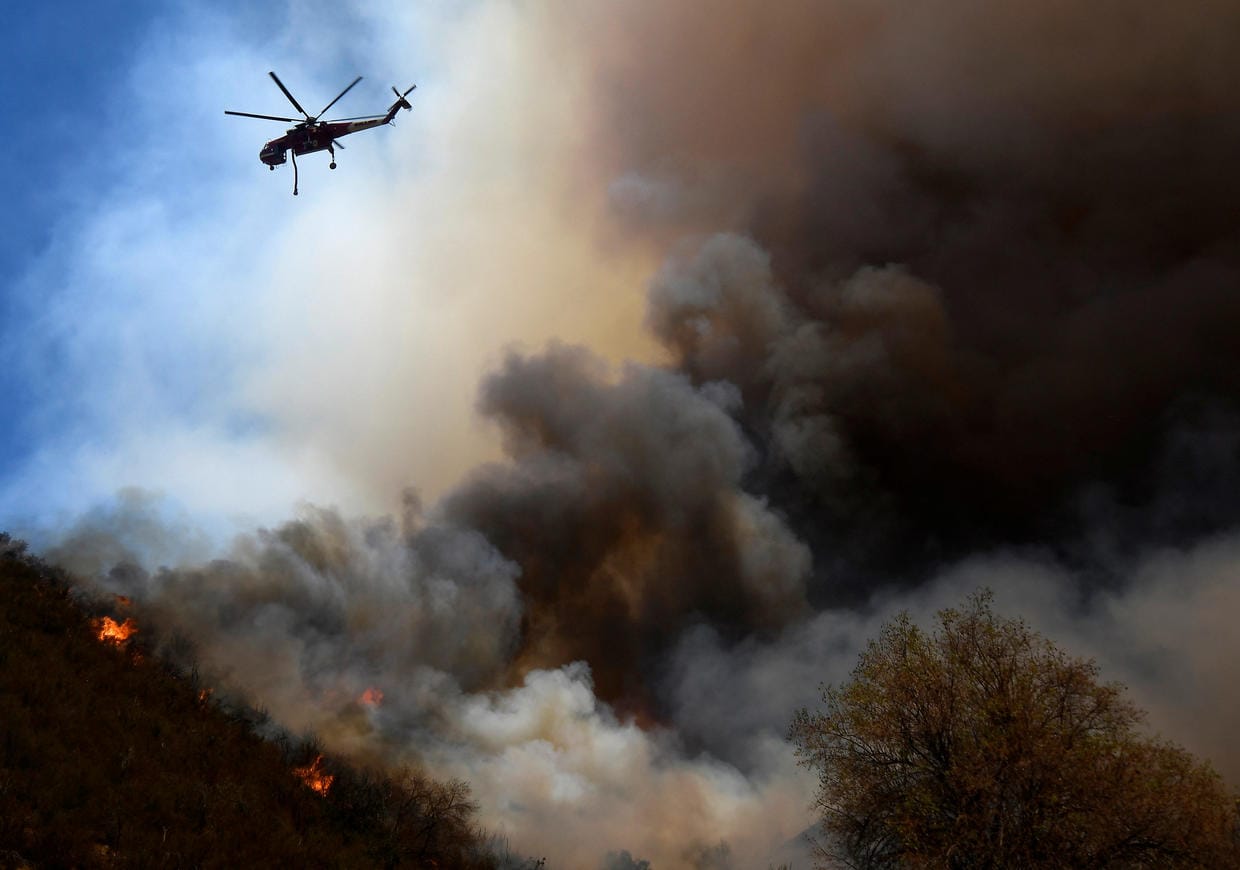
The recent surge in wildfires across California has placed Los Angeles Mayor Karen Bass in a challenging position, as her administration grapples with the complexities of emergency management and public safety. As wildfires threaten communities, the effectiveness of the city’s response strategies has come under intense scrutiny. This situation not only raises concerns among residents but also poses a significant leadership test for Bass, who assumed office in December 2022.
In the wake of the wildfires, which have become an annual occurrence in California, questions have emerged regarding the city’s preparedness and the resources allocated for firefighting efforts. Critics have pointed to the need for a more robust emergency response plan, particularly in light of the increasing frequency and intensity of wildfires attributed to climate change. The mayor’s office has been tasked with addressing these concerns while ensuring the safety of residents and minimizing property damage.
Bass has emphasized her commitment to enhancing the city’s emergency response capabilities. In recent statements, she has outlined plans to improve coordination between various agencies involved in firefighting and disaster response. This includes collaboration with the Los Angeles Fire Department, the California Department of Forestry and Fire Protection, and other local and state agencies. However, the effectiveness of these plans remains to be seen, as the current wildfire season continues to unfold.
One of the critical aspects of the response to wildfires is the communication strategy employed by the mayor’s office. Residents have expressed frustration over the lack of timely information regarding evacuation orders and safety measures. Effective communication is essential during emergencies, and the mayor’s office has acknowledged the need to improve its outreach efforts. Bass has indicated that her administration is working on enhancing communication channels to ensure that residents receive accurate and timely information during wildfire events.
In addition to communication, resource allocation is a significant concern. The Los Angeles Fire Department has faced budget constraints in recent years, leading to questions about whether the department has sufficient personnel and equipment to respond effectively to large-scale wildfires. Bass has stated her intention to advocate for increased funding for the fire department, emphasizing the importance of investing in resources that can help protect communities from the devastating effects of wildfires.
The mayor’s leadership is further tested by the need to balance immediate response efforts with long-term strategies for wildfire prevention. Experts have highlighted the importance of proactive measures, such as vegetation management and community education, in reducing the risk of wildfires. Bass has expressed her commitment to working with environmental organizations and community groups to develop comprehensive strategies that address the root causes of wildfires while also preparing for future emergencies.
As the wildfire season progresses, the pressure on Bass to demonstrate effective leadership will only intensify. Residents are looking for assurance that their safety is a top priority and that the city is taking the necessary steps to mitigate the risks associated with wildfires. The mayor’s ability to navigate this crisis will be closely monitored, as it could have implications for her administration’s credibility and future initiatives.
In conclusion, Mayor Karen Bass is facing a critical leadership test as questions arise about Los Angeles’ response to wildfires. The challenges of emergency management, communication, resource allocation, and long-term prevention strategies are all areas that require immediate attention. As the city continues to confront the realities of climate change and its impact on public safety, the effectiveness of Bass’s leadership will be pivotal in shaping the future of wildfire response in Los Angeles.