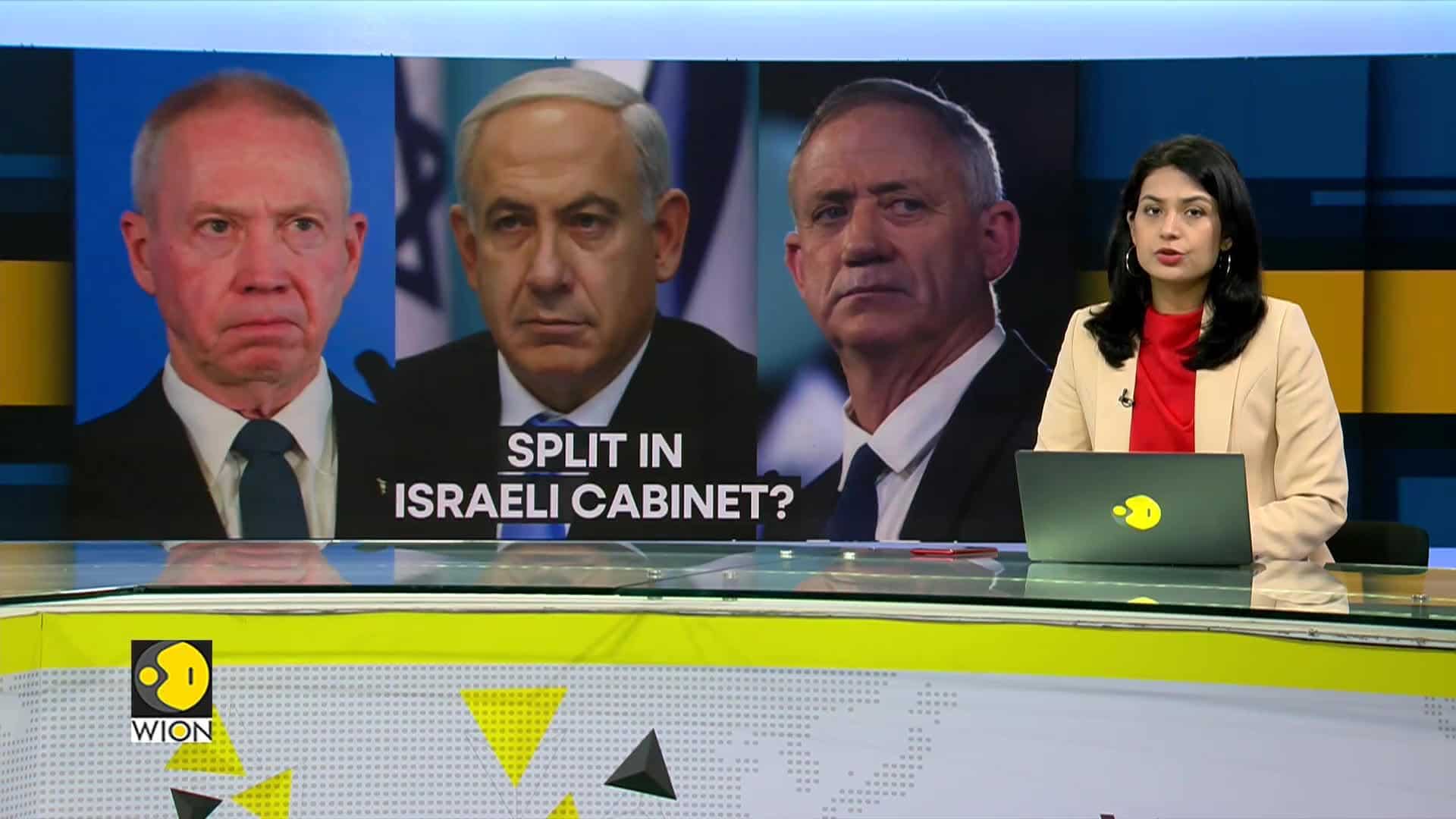
In a notable development in the ongoing conflict in the region, Israel has announced plans to send its Mossad chief to Qatar. This decision comes as negotiations surrounding a potential ceasefire and a deal for hostages seem to be gaining momentum. The involvement of the Mossad chief, a key figure in Israel’s intelligence community, highlights the seriousness with which Israel is approaching these discussions.
Qatar has long been recognized as a significant mediator in Middle Eastern conflicts, particularly in its relations with Hamas and other Palestinian factions. The Gulf nation has often acted as an intermediary, facilitating dialogue and negotiations that might otherwise be difficult to achieve. The upcoming visit by the Mossad chief is expected to focus on several critical issues, including the terms of a ceasefire and the potential release of hostages held by various groups.
The backdrop to this diplomatic engagement is a complex and often volatile situation in the region. The ongoing hostilities have resulted in significant casualties and humanitarian crises, prompting calls for a cessation of violence. The prospect of a ceasefire is not only a matter of immediate concern for those directly affected by the conflict but also has broader implications for regional stability.
Israel’s decision to engage in talks through its intelligence chief indicates a strategic approach to resolving the current tensions. The Mossad, known for its covert operations and intelligence-gathering capabilities, plays a crucial role in shaping Israel’s security policies. By sending its chief to Qatar, Israel is signaling its willingness to explore diplomatic avenues while maintaining a focus on national security interests.
The discussions in Qatar are expected to involve various stakeholders, including representatives from Hamas and other factions. The complexity of these negotiations cannot be understated, as they involve not only the immediate concerns of a ceasefire but also longer-term issues such as the conditions for the release of hostages and the broader political landscape in the region.
In recent years, Qatar has positioned itself as a key player in Middle Eastern diplomacy, often leveraging its relationships with various groups to facilitate dialogue. The country’s unique position allows it to engage with both Western powers and regional actors, making it an essential partner in any negotiations aimed at achieving peace and stability.
The potential outcomes of these talks could have far-reaching implications. A successful ceasefire could pave the way for humanitarian aid to reach affected populations and create a more conducive environment for further negotiations. Conversely, a failure to reach an agreement could exacerbate tensions and lead to a continuation of hostilities, further complicating the already fragile situation.
As the Mossad chief prepares for his visit, the international community is closely monitoring the developments. The stakes are high, and the outcome of these discussions could influence not only the immediate conflict but also the broader geopolitical dynamics in the region. The involvement of high-level officials in these talks underscores the urgency of finding a resolution to the ongoing crisis.
In conclusion, Israel’s decision to send its Mossad chief to Qatar marks a significant step in the ongoing efforts to negotiate a ceasefire and address the issue of hostages. The complexities of the situation require careful navigation, and the outcome of these discussions will be pivotal in shaping the future of the region. As the world watches, the hope remains that dialogue can lead to a lasting peace and a resolution to the humanitarian challenges faced by those affected by the conflict.