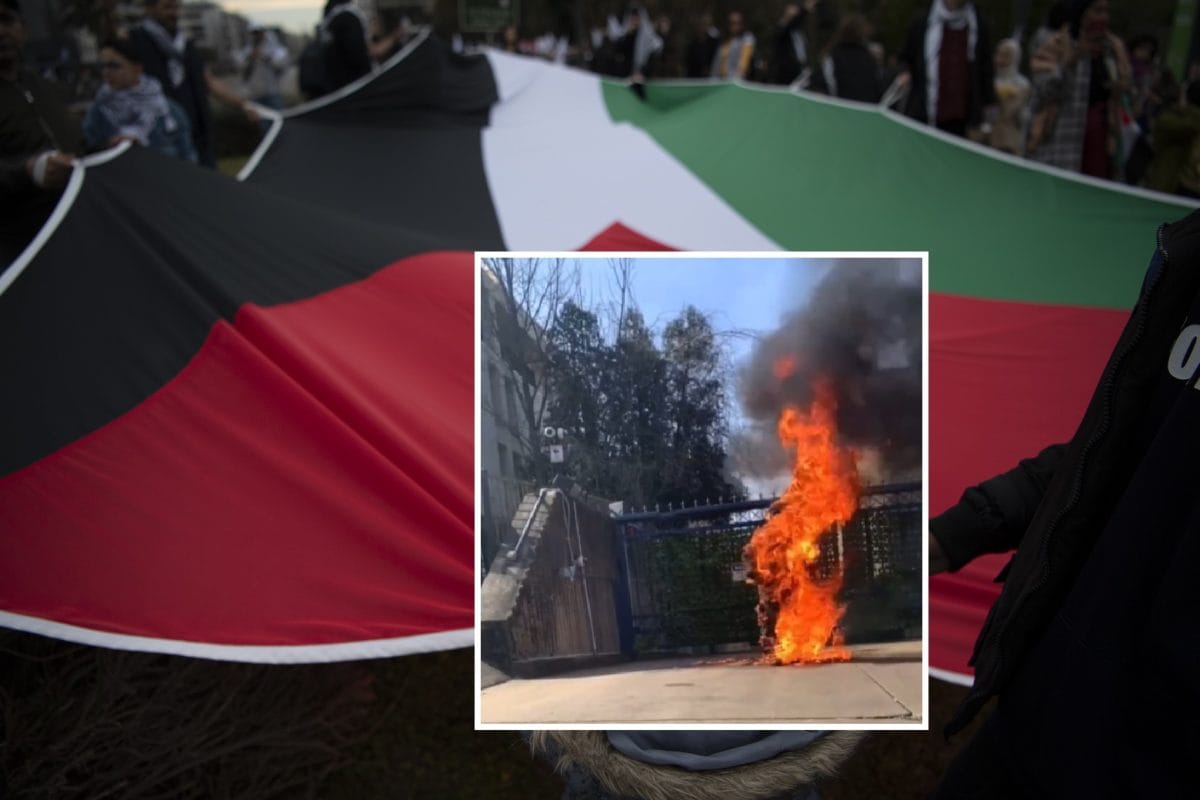
The recent announcement from the Israeli government regarding the closure of its embassy in Ireland marks a notable development in international relations amidst the ongoing and highly contentious conflict in Gaza. This decision appears to be influenced by the current situation on the ground, where reports indicate that the Palestinian death toll has surged to nearly 45,000. The conflict has drawn widespread criticism and concern from various governments and organizations around the world, leading to heightened diplomatic tensions.
The closure of the Israeli embassy in Ireland is seen as a significant diplomatic gesture in response to what Israel perceives as a hostile environment and unfavorable political climate regarding its actions in Gaza. The conflict, which has persisted for decades, has seen a dramatic escalation in recent weeks, leading to a humanitarian crisis of unprecedented proportions. The Israeli government has faced mounting pressure both domestically and internationally over its military operations in Gaza, which have been characterized by heavy bombardments and ground assaults.
The Irish government, known for its vocal criticism of Israel’s policies, has condemned the violence and called for an immediate ceasefire. Ireland’s position as a member of the European Union has also influenced its stance on the conflict, as it often advocates for a more robust international response to humanitarian crises. The closure of the embassy reflects the growing rift between Israel and European nations that have expressed solidarity with the Palestinian people in light of the escalating violence.
In the context of the ongoing conflict, the humanitarian situation in Gaza has reached catastrophic levels. Reports from various humanitarian organizations indicate severe shortages of food, water, and medical supplies, alongside widespread destruction of infrastructure. The international community has been increasingly vocal about the need for humanitarian corridors and ceasefires to allow aid to reach those in desperate need. However, these calls have been met with mixed responses from the Israeli government, which maintains that its military actions are necessary for national security.
The decision to close the embassy not only affects diplomatic relations but also poses challenges for Israeli citizens and businesses in Ireland. The embassy serves as a vital link for Israelis living in or visiting Ireland, providing services ranging from consular assistance to cultural promotion. Its closure may lead to increased difficulty for individuals seeking support or information regarding their rights and responsibilities while abroad.
In response to the embassy’s closure, Irish officials have expressed disappointment, emphasizing the importance of dialogue and diplomatic engagement in resolving conflicts. The Irish government has reiterated its commitment to advocating for peace and justice in the region, calling for renewed efforts to address the underlying issues driving the conflict. The closure may further complicate these efforts, as it reduces the channels for communication between the two nations.
As the situation evolves, the implications of this diplomatic decision will continue to unfold. The closure of the embassy may serve as a catalyst for broader discussions on how countries navigate complex geopolitical landscapes while responding to humanitarian crises. Moreover, it raises questions about the role of diplomatic missions in conflict resolution and the importance of maintaining open lines of communication, even amidst significant tensions.
In conclusion, Israel’s decision to close its embassy in Ireland amid rising tensions over the Gaza conflict underscores the intricate relationship between international diplomacy and humanitarian considerations. As the conflict escalates and the humanitarian situation deteriorates, the need for constructive dialogue and effective diplomacy becomes increasingly urgent. The closure of the embassy may have far-reaching consequences for both nations, shaping future interactions and potentially influencing the course of the ongoing conflict.