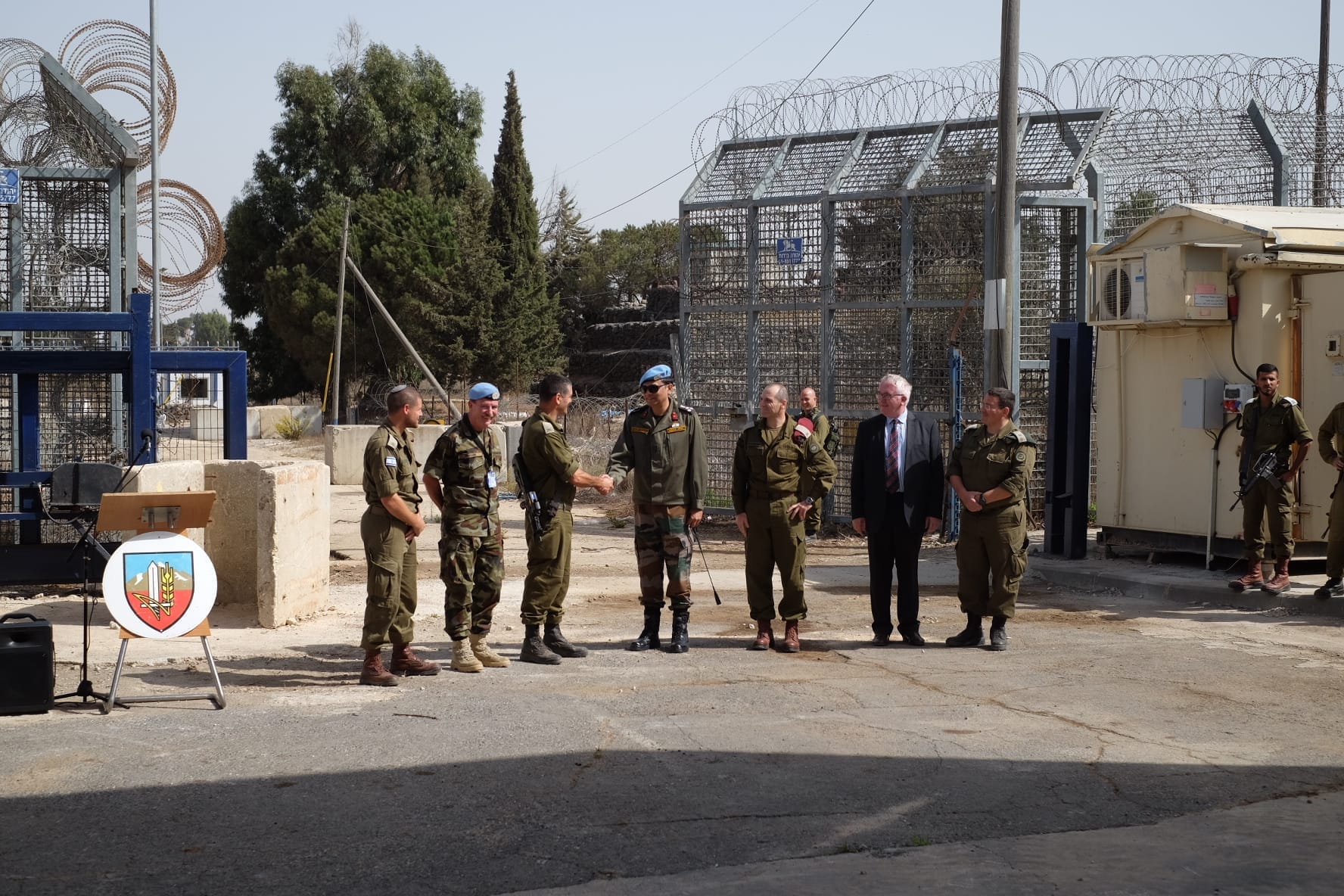
The complex geopolitical landscape of the Middle East continues to evolve, with recent developments indicating a notable shift in Israel’s military positioning along its northern border with Syria. This expansion not only enhances Israel’s operational capabilities but also potentially serves as a strategic warning to the Syrian government and its allies. As the situation unfolds, questions arise regarding the impact on regional stability and the interests of various actors involved in the protracted Syrian conflict.
Israel has long held a keen interest in the developments along the Syrian border, particularly in light of the ongoing civil war that has transformed the region into a battleground for various factions, including local militias, regional powers, and international forces. The expansion of Israeli operations, marked by increased surveillance and military readiness, marks a significant shift in the balance of power in this already volatile area.
Historically, the Golan Heights—territory that Israel captured from Syria during the Six-Day War in 1967—has been a focal point of conflict and contention between the two nations. The international community largely views this territory as Syrian, despite Israel’s annexation in 1981. The heightened military presence by Israel serves to solidify its claims to the Golan Heights while simultaneously acting as a deterrent against perceived threats from Syria and associated militant groups such as Hezbollah.
The Israeli defense establishment cites ongoing threats from Iran and its proxies operating within Syria as a primary justification for the expansion. Iran’s military presence close to the Israeli border is a significant concern for Israel, leading to preemptive strikes on targets associated with Iranian interests within Syria. This backdrop of perceived hostility fuels the rationale for increased military readiness and the establishment of fortified positions along the border.
Furthermore, the evolving nature of alliances in the region complicates the situation significantly. The Syrian government, backed by Russia and Iran, faces opposition from various groups, including rebel factions and extremist organizations. Israel’s actions along the border can be interpreted as a direct challenge not only to the Syrian state but also to the regional influence of Iran and the strategic partnership it maintains with Damascus.
The implications of Israel’s fortified stance along the Syrian border extend beyond bilateral relations; they resonate throughout the wider Middle East. Neighboring countries, including Lebanon, Jordan, and Turkey, closely monitor these developments, understanding that a miscalculation or escalation could have far-reaching consequences.
In addition, the global response to these developments is marked by a cautious approach from major powers, including the United States and Russia. Historically, the US has been an ally of Israel, reaffirming its commitment to the security of the nation, while also balancing complex relations with various regional players. Russian involvement in Syria adds another layer of complexity, as Moscow seeks to maintain influence over the Syrian government while managing its relationship with Israel. The delicate dance between these powers will be crucial in determining the outcome of the current geostrategic landscape.
The political ramifications within Syria are also significant. The Syrian government, under President Bashar al-Assad, faces a myriad of internal challenges, including economic hardship and ongoing resistance from various factions. Israel’s expanded military presence along the border could be perceived as an added pressure point, potentially exacerbating the struggles faced by the Assad regime. Any perceivable weakening of Syrian sovereignty could lead to further instability within the country, impacting the lives of its citizens and the humanitarian situation overall.
Looking ahead, the stakes are high in the ongoing tension over the Syrian border. Israel’s actions are likely to provoke responses from Syrian forces and their allies, culminating in an unpredictable escalation. The potential for conflicts to spill over into neighboring nations remains a significant concern, especially given the fragile security landscape in the region.
In conclusion, Israel’s enhanced military positioning near the Syrian border signals a determined effort to secure its interests amid a backdrop of heightened threats and regional instability. The dynamic interplay between Israel, Syria, and other regional actors will remain a focal point for analysts and policymakers as they navigate this complex and evolving geopolitical terrain.

