The Tulsa Race Massacre, which occurred in May 1921, remains one of the most devastating events in American history, particularly in the context of racial violence. A recent investigation has shed new light on the events that transpired during those harrowing days, revealing that the massacre was not merely a spontaneous eruption of racial animosity but rather a meticulously coordinated attack that bore the hallmarks of military strategy.
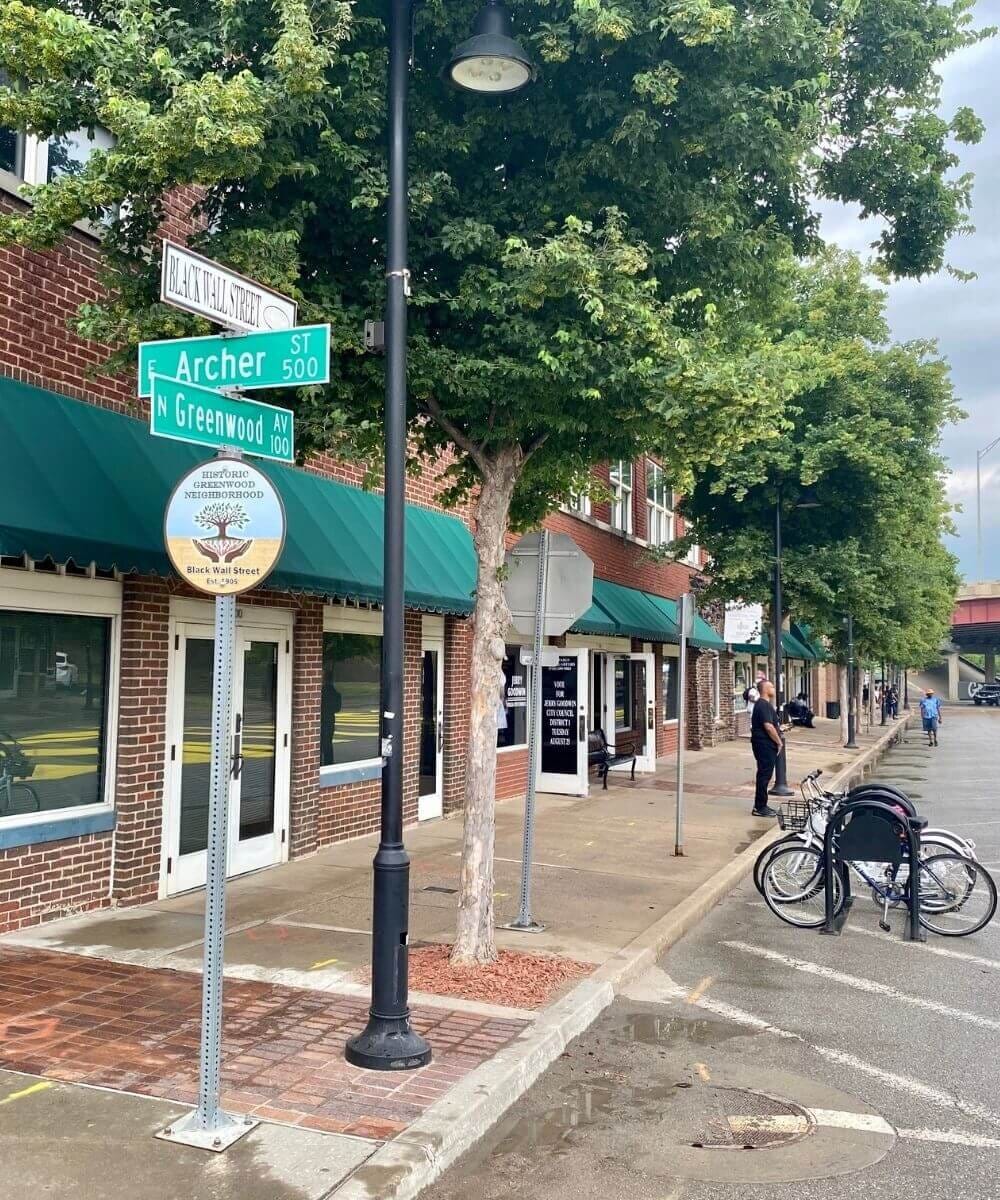
The Greenwood District of Tulsa, often referred to as “Black Wall Street,” was a thriving community known for its successful African American-owned businesses, schools, and cultural institutions. However, the events leading up to the massacre were fueled by a combination of racial tensions and a sensationalized incident involving a young Black man and a white woman. This incident ignited long-standing grievances and culminated in a violent response from white residents, who were incited by rumors and misinformation.
The investigation, conducted by a team of historians and forensic experts, has uncovered evidence that suggests the involvement of local law enforcement and organized groups in the planning and execution of the attack. Eyewitness accounts and newly discovered documents indicate that the assault on Greenwood was not only premeditated but also executed with a level of organization that included the use of firearms, vehicles, and even aerial attacks.
One of the most shocking revelations from the probe is the role of the Tulsa Police Department and other local authorities, who were found to have actively participated in the violence rather than intervening to protect the community. Reports indicate that police officers were seen escorting white mobs into the Greenwood District, providing them with weapons and facilitating their assault on Black residents. This complicity raises serious questions about the motivations of those in power and their willingness to protect the rights and lives of African Americans.
The investigation also highlights the use of military-style tactics during the massacre. Eyewitnesses described how armed groups of white residents organized themselves into formations, employing strategies reminiscent of military operations. The use of airplanes to drop incendiary devices on the community further underscores the coordinated nature of the attack. This aerial assault resulted in widespread fires that consumed homes, businesses, and places of worship, leaving the once-thriving district in ruins.
In the aftermath of the massacre, the response from local and state authorities was inadequate, with little to no effort made to assist the survivors or rebuild the community. Instead, the narrative surrounding the events was largely suppressed, and many of the victims were left without justice or recognition. The investigation aims to rectify this historical oversight by bringing to light the truth of what transpired and acknowledging the systemic failures that allowed such violence to occur.
The findings of the probe have sparked renewed discussions about reparations and the need for accountability for the actions of those involved in the massacre. Advocates for justice argue that recognizing the coordinated nature of the attack is a crucial step toward healing and reconciliation. They emphasize the importance of educating future generations about the events of 1921 and the ongoing impact of racial violence in America.
As the investigation continues, there is a growing call for further research into the long-term effects of the Tulsa Race Massacre on the African American community and the broader implications for race relations in the United States. The legacy of the massacre is not only a historical event but also a reminder of the persistent inequalities and injustices that continue to affect marginalized communities today.
In conclusion, the recent findings regarding the coordinated military-style attack during the Tulsa Race Massacre of 1921 provide a clearer understanding of the events that unfolded and the systemic issues that contributed to this tragedy. As the nation grapples with its history of racial violence, the investigation serves as a crucial reminder of the need for accountability, education, and healing in the pursuit of justice for those affected by the massacre.