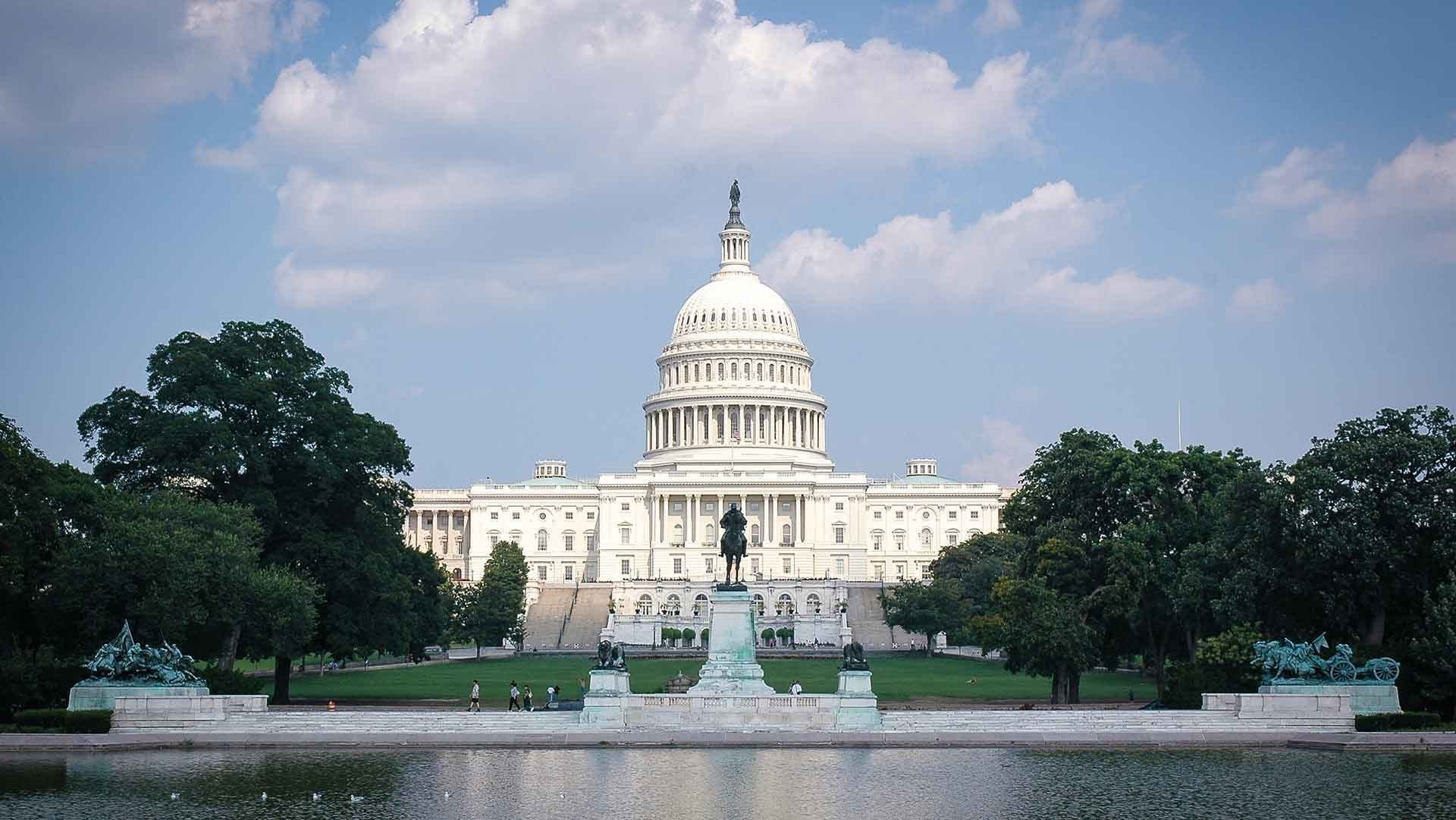
In the latest development surrounding the potential government shutdown, House Republicans have introduced a new proposal designed to stave off a lapse in federal funding. With the clock ticking down to the deadline, party leaders are working intensively to forge a solution that satisfies various factions within their ranks while also appealing to the Senate and the White House. However, uncertainty looms over the measure’s prospects, stirring contemplation regarding its viability in ensuring that the government continues to operate without interruption.
The new proposal put forth by House Republicans emerges as a response to mounting pressure to reach a consensus ahead of the September 30 deadline. As funding for numerous government services hangs in the balance, lawmakers find themselves grappling with differing priorities that reflect broader ideological divides. The proposal encompasses several strategies aimed at reaching a bipartisan agreement, yet it remains to be seen whether it will manage to bridge the gaps between competing interests.
Key elements of the proposal include spending cuts and a temporary funding mechanism intended to provide additional time for a more comprehensive budget agreement. By advocating for fiscal restraint, House Republicans appear to be appealing to their party’s base while also acknowledging the necessity of compromise in order to secure the support of moderate lawmakers from both sides. However, the nuances embedded in the proposal have ignited debate among influential party members, creating a scenario where consensus may be difficult to attain.
In recent weeks, House Speaker Kevin McCarthy has been at the forefront of negotiations, seeking to unite the party around a common goal. Yet, he faces significant challenges as differing viewpoints among his colleagues threaten to hinder progress. Some Republican lawmakers have expressed concerns that any compromises made might alienate conservative constituents, fostering an environment of dissent within the party. As discussions intensify, the Speaker continues to navigate between the imperative for unity and the need for a functional government.
The opposition party, primarily the Democrats, remains skeptical about the Republicans’ ability to finalize a deal that will not only garner enough support within their own ranks but is also amenable to bipartisan collaboration. House Minority Leader Hakeem Jeffries has publicly called for transparency and a good-faith negotiation process, emphasizing the need for a responsible plan that will protect essential services and avoid kicking the can down the road. In light of recent experiences, many Democrats are wary of any proposed funding measures that lack clarity or a clear long-term vision.
The uncertainty surrounding the proposal raises concerns not only among lawmakers but also among federal employees and the broader public who are impacted by potential government shutdowns. Federal agencies remain on high alert, preparing for various scenarios as they brace for what could result in delays in services, furloughs, and disruptions in essential operations. The specter of a government shutdown places additional strain on public confidence in leadership and governance, which many lawmakers are keen to address as the October deadline approaches.
Meanwhile, discussions of the House’s new proposal unfold against a backdrop of deeper fiscal challenges, including the national debt and the ongoing need for critical investments in infrastructure and social services. As legislators wrestle with how to best allocate resources, proponents of the new plan argue that it represents a necessary step toward fiscal responsibility while considering the ramifications of continued budgetary impasses. However, the divergent priorities highlighted by both parties underscore the complexities involved in crafting a package that can secure the necessary support.
Throughout this process, various interest groups are also weighing in, advocating for their specific needs regarding funding while urging lawmakers to consider the implications of their decisions. The outcome of these negotiations will not only influence government operations in the immediate future but will also set the stage for budgetary discussions that will extend well beyond September’s deadline.
As the situation evolves, it remains to be seen whether House Republicans can consolidate their proposal and unify their membership in a manner that facilitates bipartisan cooperation. The coming days are likely to be marked by intense discussions, revisions, and late-night negotiations as lawmakers race against the clock to achieve a solution that will avert a government shutdown and ensure the continued functioning of essential services.
Amid this uncertainty, the path forward is unclear and fraught with challenges. Lawmakers and constituents alike are watching closely, hoping for a resolution that not only avoids a shutdown but sets a tone for more effective governance in the months to come.