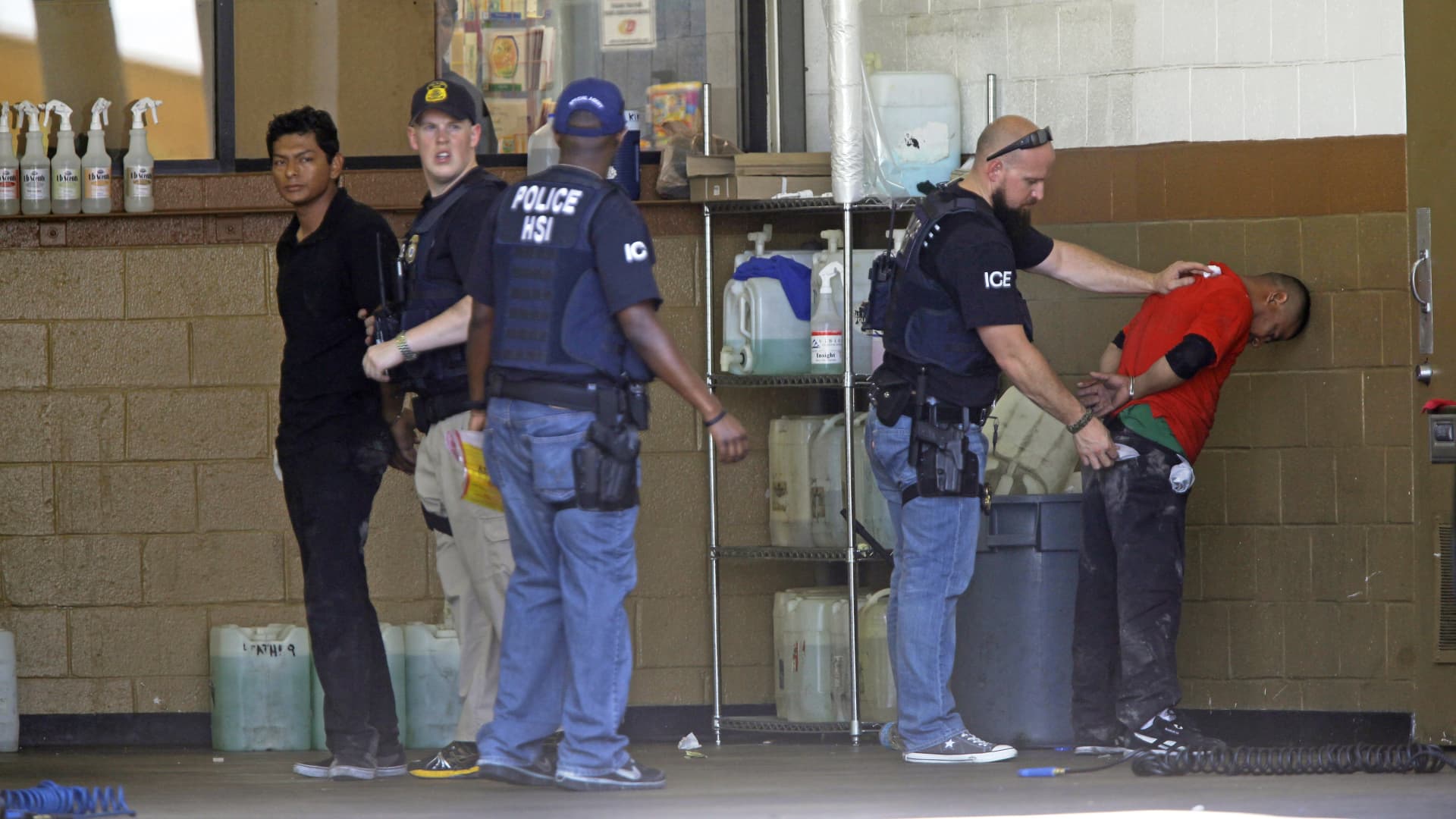
The Department of Homeland Security (DHS) has informed federal agents that they should be camera-ready as thousands of undocumented immigrants are facing possible deportation in a major immigration operation. Internal memos have circulated among various law enforcement sources, explaining that cooperation from local authorities and meticulous planning are necessary due to the anticipated media attention and public opinion surrounding the operation.
The unprecedented crackdown, expected to begin in the coming days, will target people who have been issued final orders for removal by an immigration judge but are still at large in the United States. The DHS is instructing its agents to ensure that all protocol is followed, as the operation may garner increased public interest and media coverage.
In an effort to maintain public trust amid heightened political tensions, local law enforcement agencies are being encouraged to collaborate with federal agents during the immigration operation. The DHS has acknowledged the need for transparency within the enforcement efforts, in hopes of minimizing conflict with local communities.
Both Customs and Border Protection (CBP) and Immigration and Customs Enforcement (ICE) have received internal memos outlining the importance of being prepared for the operation. Field agents have been directed to ensure that they follow all proper procedure during detainment, as well as document potential interaction with the media.
The federal government’s heightened communication with immigration enforcement agents is aimed at ensuring that they remain focused and prepared for any external challenges that arise during the operation. By keeping agents well-informed and primed for the media frenzy that may follow, the DHS is looking to maintain order and keep the situation under control.
In light of the ongoing public debate surrounding immigration policy, the federal agents are aware that their actions may be heavily scrutinized. As local law enforcement agencies are called upon to support the operation, both federal and local authorities could face considerable challenges and face increased pressure to maintain public support amidst vocal public opinion.
Although the specifics of the operation remain unclear, the DHS’s instructions to federal agents to be ready for media inquiries and potential confrontation are a clear indication of the anticipated response this operation will face. As these immigration enforcement efforts have the potential to ignite further controversy, the federal government continues to navigate the complexities of immigration policy during a time of heightened political and social tensions.
