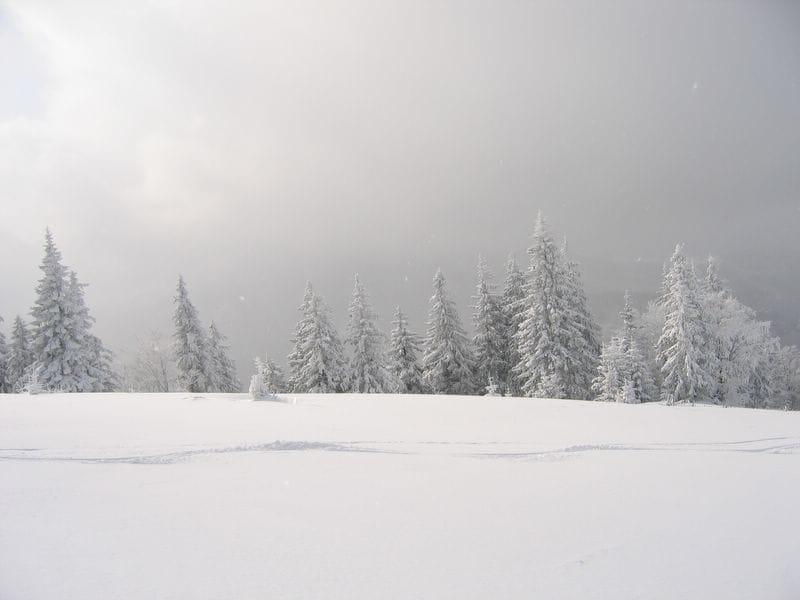
A major winter storm is barreling through the central and southern United States, causing travel disruptions and posing risks for residents in the Plains and Mid-Atlantic regions. The storm is expected to bring heavy snow, ice, and strong winds to areas from the Rockies to the Northeast, with significant impacts to travel and daily activities.
According to the National Weather Service, the winter storm is set to impact parts of 15 states, affecting more than 120 million people. The National Oceanic and Atmospheric Administration has issued several winter storm warnings and winter weather advisories in response to the incoming severe weather. Travel disruptions are expected nationwide, with flight cancellations and road closures predicted.
Meteorologists have stressed the importance of preparing for the winter storm, urging residents in the affected areas to remain indoors and avoid non-essential travel during the height of the storm. Even a short distance travel may become treacherous due to slippery road conditions and reduced visibility caused by snow and ice accumulations.
Emergency management officials in various states have been closely monitoring the situation and implementing necessary measures to protect public safety. Residents in the expected path of the storm are advised to stock up on essential supplies, such as food, water, and medication, as well as to ensure their homes are well-prepared for incoming weather conditions.
While the wrath of the storm may vary across the regions, full-blown blizzards with whiteout conditions are expected in parts of the Plains and northern Mid-Atlantic regions. Moreover, residents in the southern Mid-Atlantic can anticipate a mix of snow, sleet, and freezing rain throughout the day.
As of now, current models predict that the winter storm will peak on February 15, lasting for several hours around the maximum. It will then gradually move towards the northeast, leaving behind a trail of snow-covered landscapes, slippery roadways, and inches of ice accumulation on trees, power lines, and pedestrian walkways.