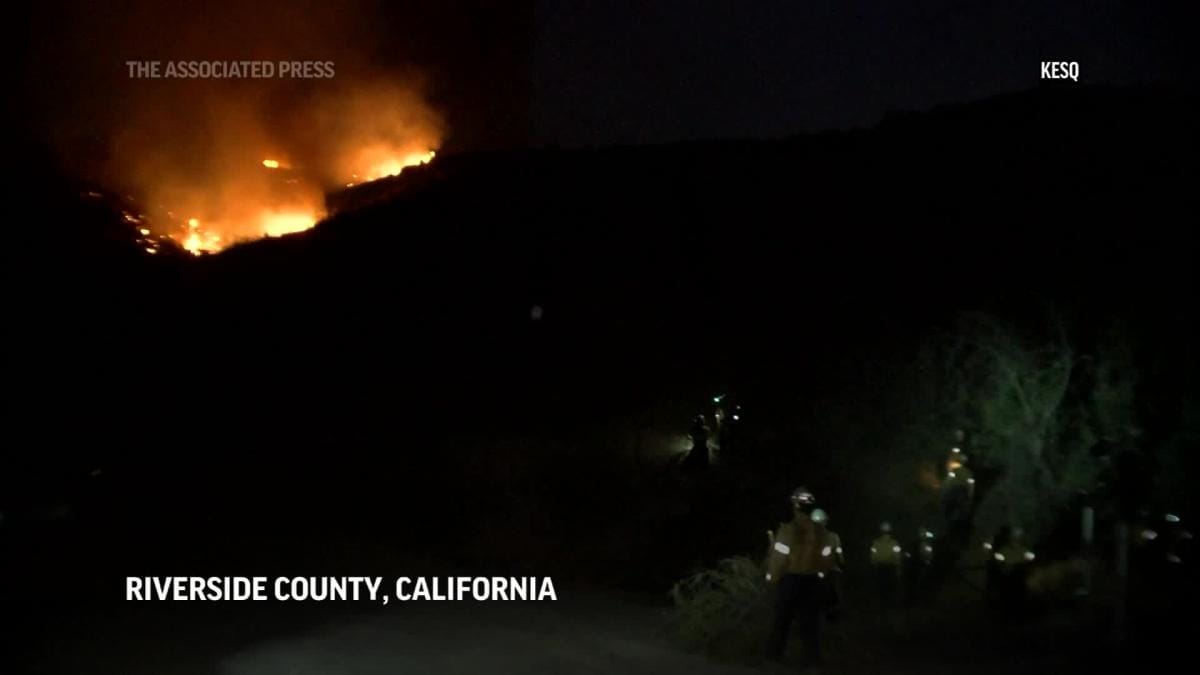
In the wake of the catastrophic wildfires that have swept through Los Angeles, California Governor Gavin Newsom has unveiled a bold recovery strategy aimed at revitalizing the region. Drawing parallels to the historic Marshall Plan, which facilitated the reconstruction of Europe after World War II, Newsom’s initiative seeks to provide substantial support for rebuilding efforts in the wake of the recent environmental disasters. The governor’s announcement comes as communities grapple with the aftermath of the fires, which have caused extensive damage to homes, businesses, and critical infrastructure.
The proposed plan includes a significant financial investment to aid in the recovery process, with the state government committing to allocate resources for immediate relief and long-term rebuilding efforts. Newsom highlighted the importance of a swift response, stating that the devastation caused by the wildfires necessitates an unprecedented level of support for affected residents and businesses. The governor’s office has indicated that the funding will be directed toward various sectors, including housing, infrastructure, and environmental restoration.
In a move that has garnered attention, Newsom also announced the suspension of certain environmental laws to facilitate the rapid rebuilding of affected areas. This decision aims to streamline the permitting process and remove bureaucratic obstacles that could delay recovery efforts. While the suspension of these regulations is intended to expedite the rebuilding process, it has raised concerns among environmental advocates who worry about the potential long-term impacts on California’s natural resources and ecosystems.
The governor’s plan is designed to address not only the immediate needs of those impacted by the wildfires but also to create a framework for sustainable recovery. Newsom emphasized the importance of incorporating resilience measures into the rebuilding process, ensuring that communities are better prepared for future disasters. This includes investing in fire-resistant infrastructure, enhancing emergency response capabilities, and promoting sustainable land use practices.
As part of the recovery initiative, the state will also collaborate with local governments, non-profit organizations, and community stakeholders to ensure that the rebuilding efforts are inclusive and equitable. Newsom’s administration has committed to engaging with affected communities to understand their specific needs and priorities, aiming to create a recovery plan that reflects the voices of those most impacted by the wildfires.
The announcement of the Marshall Plan-like initiative has been met with a mix of support and skepticism. Proponents argue that the scale of the disaster requires a comprehensive and aggressive response, while critics caution against the potential environmental consequences of suspending regulations. The governor’s office has stated that the suspension of laws will be temporary and closely monitored to mitigate any adverse effects on the environment.
In addition to the immediate recovery efforts, Newsom’s plan also includes provisions for long-term climate resilience. The governor has called for increased investment in renewable energy sources, improved forest management practices, and enhanced wildfire prevention strategies. These measures are intended to address the underlying factors contributing to the increasing frequency and intensity of wildfires in California.
As the state moves forward with the recovery plan, the governor has urged residents to remain vigilant and prepared for future emergencies. He emphasized the importance of community engagement and collaboration in building a more resilient Los Angeles. The governor’s office is expected to release further details on the implementation of the plan in the coming weeks, outlining specific funding allocations and timelines for recovery efforts.
In conclusion, Governor Gavin Newsom’s announcement of a Marshall Plan-inspired initiative to rebuild Los Angeles after the wildfires represents a significant commitment to recovery and resilience. By suspending certain environmental laws and investing in comprehensive rebuilding efforts, the state aims to address the immediate needs of affected communities while laying the groundwork for a more sustainable future. As California continues to face the challenges posed by climate change and natural disasters, the success of this initiative will depend on effective collaboration and a balanced approach to recovery.