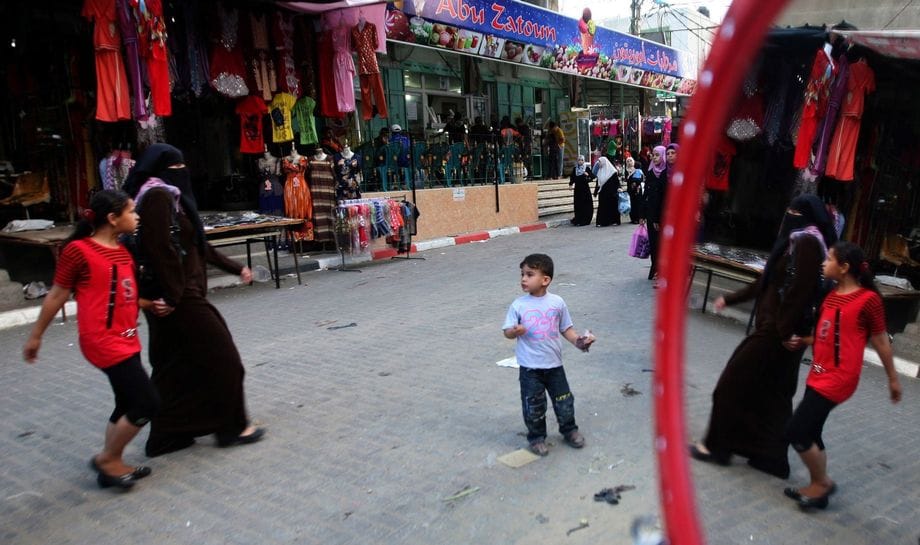
Former President Donald Trump has again voiced his support for a plan involving the relocation of Palestinians from Gaza, a proposition that has consistently been met with scrutiny and widespread debate. The idea, initially put forth during his tenure in the White House, suggests that Palestinian civilians currently residing in the Gaza Strip be moved to alternative locations. This renewed emphasis on the proposal has reignited discussions surrounding the Israeli-Palestinian conflict, the humanitarian situation in Gaza, and the potential ramifications of large-scale population displacement. The plan, as presented, does not specify the precise destinations for the relocated individuals. The mechanics of such an operation, including the crucial issues of logistical support and financial resources, are also not detailed in his public statements. Questions remain regarding the extent of international cooperation needed and the legal frameworks that would govern such a complex process. The proposal comes against the backdrop of ongoing tensions and intermittent conflicts in the region, further complicating the already delicate situation. A significant aspect of the discourse revolves around the ethical implications of the plan and the rights of the Palestinian people living in the Gaza Strip. Critics of the plan have expressed concerns over the potential violation of international law and human rights principles. There is also apprehension about the logistical and financial challenges of transferring, housing, and providing for the basic needs of a substantial population. Furthermore, the feasibility of finding nations or regions willing to accept a large number of displaced persons is a substantial hurdle. Supporters of the idea, however, often frame the issue as an opportunity for creating lasting peace and stability by easing population pressures in the area, even though this viewpoint faces substantial opposition. They also sometimes state that removing individuals would provide space for further development. The current situation in the Gaza Strip is often characterized by high population density and limited access to vital resources and humanitarian aid. These factors are often cited in discussions regarding potential solutions, and any proposal must take these conditions into consideration. The political ramifications of implementing such a plan are considerable and could significantly alter the diplomatic landscape in the Middle East and beyond. The stance of other nations, international organizations, and regional bodies regarding this initiative would be a determining factor in whether such a plan could even be considered and what the possible outcomes of implementation could be. International law outlines specific guidelines on the rights of refugees and displaced persons. These stipulations and obligations cannot be ignored. The process of international collaboration and consensus-building would need to be carefully implemented if any plan concerning mass migration were to be considered seriously. Past experiences with large-scale population movements have often been a cause of great difficulty and the international community has historically been wary of such undertakings. The practical challenges associated with such an endeavor have been heavily considered and a comprehensive plan, that is clearly communicated to the relevant stakeholders, would be needed before any such actions could take place. As the discussion surrounding the proposal continues, it highlights the complexities of the conflict and the need for long-term resolutions that address the legitimate aspirations and needs of all people in the region.
Former President Reiterates Proposal Regarding Palestinian Relocation From Gaza