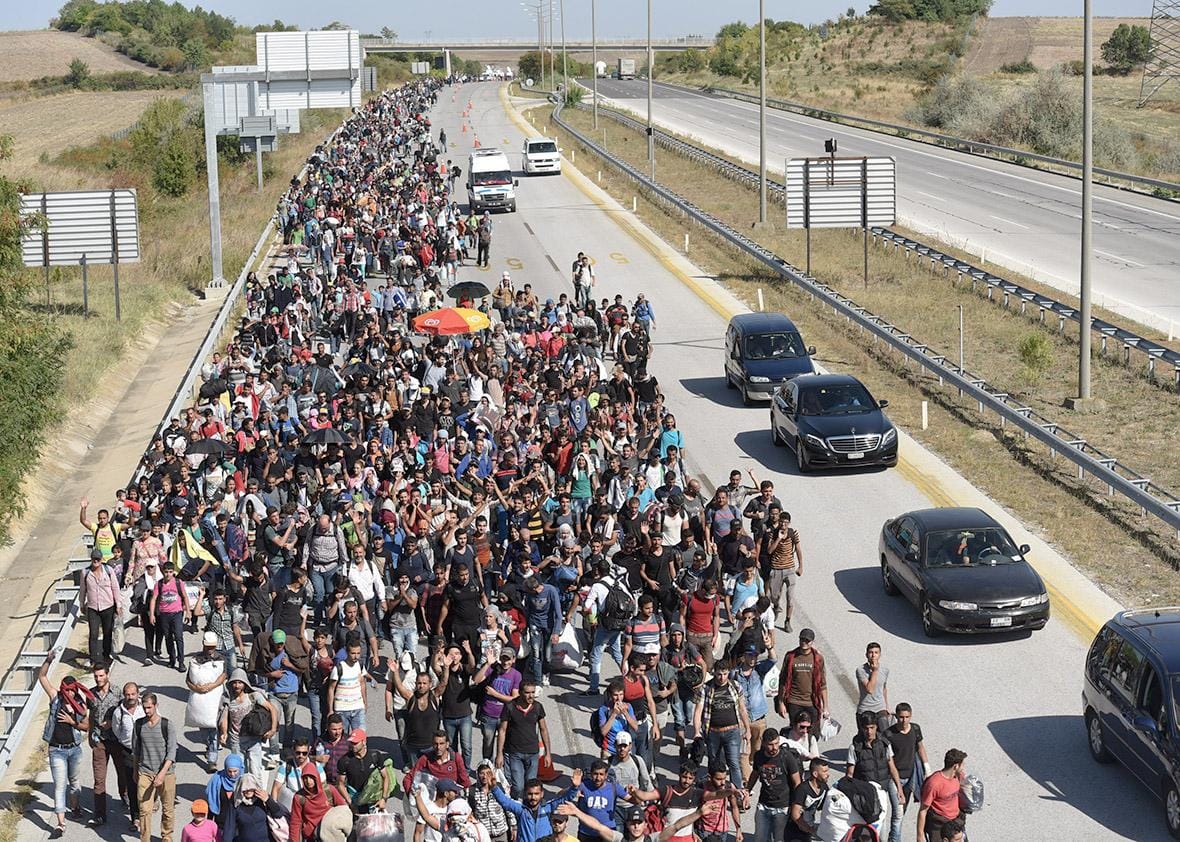
The Syrian refugee crisis, which began in 2011, has led to one of the largest displacements of people in modern history. Over 6 million Syrians have fled their homeland, with many settling in European countries such as Germany, Sweden, and the Netherlands. However, as the conflict in Syria continues to evolve, European governments are reassessing their policies towards Syrian refugees, sparking fears and uncertainty among the diaspora.
In recent months, several European countries have begun exploring the possibility of repatriating Syrian refugees to their homeland. While some argue that the situation in Syria has improved enough to warrant returns, many others claim that the country remains too unstable and unsafe for refugees to return. This debate has left the Syrian community in Europe on edge, with many worrying about their future and the potential consequences of being forced to return to a war-torn country.
“We’re constantly living in fear of being sent back to Syria,” said Amira, a 35-year-old Syrian refugee living in Berlin. “We’ve built new lives here in Germany, but the thought of being forced to return to a country that’s still at war is terrifying.”
The debate over repatriation has also sparked tensions within the Syrian community. Some argue that returns could help to rebuild the country and promote stability, while others claim that it’s too soon and that the risks are too great. “I understand that some people might think it’s time to return, but for me, it’s just not safe,” said Omar, a 28-year-old Syrian refugee living in Stockholm. “I have a family to think about, and I won’t put them in harm’s way.”
European governments are also grappling with the complexities of repatriation. While some countries, such as Denmark and Norway, have begun to forcibly return Syrian refugees, others, like Germany and Sweden, have taken a more cautious approach. The European Union has called for a coordinated approach to repatriation, but so far, there is no clear consensus on how to proceed.
One of the main concerns for European governments is the potential risks associated with returning refugees to a war-torn country. The Syrian conflict is ongoing, with many areas still under the control of armed groups and militias. There are also concerns about the treatment of returnees, with reports of arbitrary detention, torture, and forced conscription.
Despite these concerns, some European countries are pushing ahead with repatriation plans. In January, Denmark announced that it would begin forcibly returning Syrian refugees to Damascus, citing improved security conditions in the capital. However, human rights groups have condemned the move, arguing that it’s premature and puts refugees at risk.
As the debate over repatriation continues, the Syrian diaspora in Europe remains on edge. Many are uncertain about their future and are calling on European governments to provide greater clarity and reassurance. “We just want to know what’s going to happen to us,” said Amira. “We want to be able to plan for our future, but it’s hard to do that when we’re constantly living in fear of being sent back to Syria.”
The repatriation debate has also highlighted the need for greater support and resources for Syrian refugees in Europe. Many are struggling to access basic services, such as healthcare and education, and are in need of greater assistance to rebuild their lives. “We need more support, not less,” said Omar. “We need help to rebuild our lives and to create a future for ourselves and our families.”
As the situation in Syria continues to evolve, it’s clear that the debate over repatriation will continue to be a contentious issue. While some argue that returns are necessary to promote stability and reconstruction, others claim that it’s too soon and that the risks are too great. One thing is certain, however: the Syrian diaspora in Europe will continue to be affected by the ongoing conflict in their homeland, and their future remains uncertain.