In a decisive move reflecting its unwavering stance on the Ukraine crisis, the European Union (EU) has announced a new package of sanctions against Russia. This latest round of measures aims to further isolate Moscow economically and politically, following its continued aggression in Ukraine. The sanctions, which were formally adopted during a meeting of EU foreign ministers in Brussels, focus on various sectors, including finance, energy, and military exports.
The new sanctions include restrictions on Russian banks, limiting their access to EU financial markets, as well as a ban on the export of advanced technology that could be used in military applications. Additionally, the EU has targeted specific individuals linked to the Russian government and military, imposing travel bans and asset freezes.
EU officials have stated that the sanctions are intended to pressure the Russian government to cease its military operations in Ukraine and to respect international law. “These sanctions are a clear message to the Kremlin that its actions will not go unpunished,” said Josep Borrell, the EU’s High Representative for Foreign Affairs.
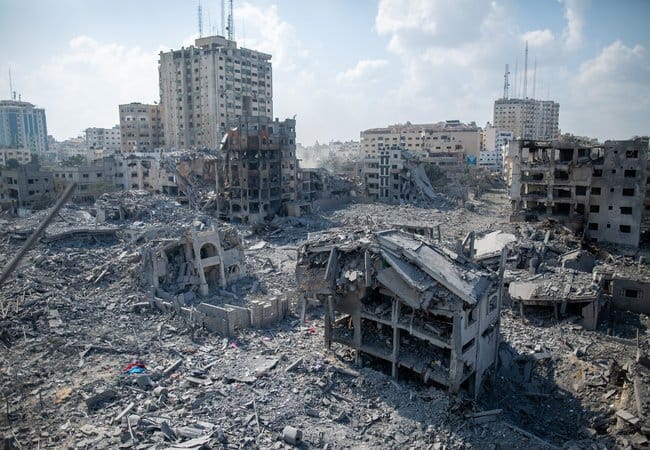
The announcement of the sanctions comes as the situation in Ukraine remains dire, with ongoing fighting in several regions. Humanitarian concerns are mounting, as millions of Ukrainians have been displaced, and the international community continues to call for an immediate ceasefire.
In response to the EU’s actions, Russian officials have condemned the sanctions as an act of aggression and have vowed to retaliate. The Kremlin has repeatedly stated that it will not back down in its efforts to secure its interests in Ukraine, despite the economic toll the sanctions may impose.
This latest round of sanctions is part of a broader strategy by the EU and its allies, including the United States, to hold Russia accountable for its actions. Since the beginning of the invasion in February 2022, the EU has implemented several sanctions packages, which have significantly impacted the Russian economy, particularly in the energy sector, which is crucial for funding the war effort.
As the conflict continues, the EU remains committed to supporting Ukraine through financial aid and military assistance, while also working to strengthen its own energy security in light of reduced Russian gas supplies. The situation remains fluid, and the EU is prepared to impose further sanctions if necessary, underscoring its commitment to Ukraine’s sovereignty and territorial integrity.
Sources: European Council, EU Commission, Reuters, BBC News.