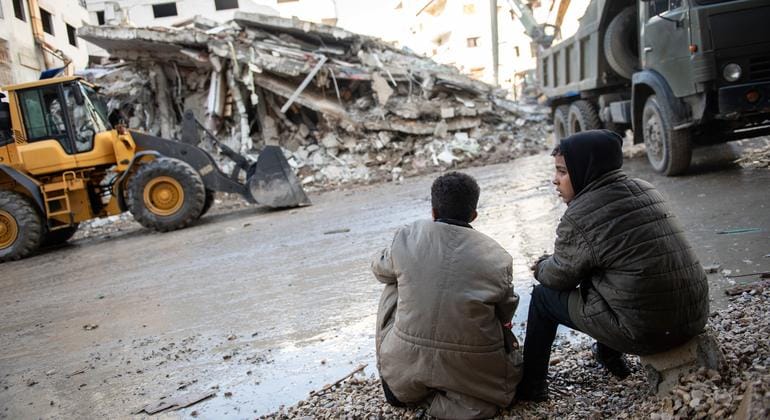
The ongoing conflict in Syria has drawn in numerous international actors, each with their own interests and agendas. Among these actors, the United States has taken a notable step by reportedly initiating direct contact with Islamist rebel groups that have established control over significant territories within the country. This development marks a significant shift in U.S. policy and reflects the intricate web of alliances and enmities that characterize the Syrian civil war.
The Syrian conflict, which began in 2011, has evolved into a multi-faceted war involving various factions, including the Syrian government, Kurdish forces, moderate opposition groups, and extremist Islamist factions. The rise of groups such as Hayat Tahrir al-Sham (HTS) and other Islamist entities has complicated the situation, as these groups often do not align neatly with Western interests. The U.S. has traditionally been cautious in its dealings with such factions, often designating them as terrorist organizations. However, the changing dynamics on the ground have prompted a reassessment of this stance.
The decision to engage with Islamist groups can be seen as an acknowledgment of the reality that these factions play a pivotal role in the current power structure within Syria. By establishing communication, the U.S. aims to gain a better understanding of the motivations and objectives of these groups, which could be crucial for any future peace negotiations. Furthermore, this engagement may also serve to mitigate the influence of more radical elements within these factions by encouraging a more moderate approach.
The implications of this direct contact are far-reaching. For one, it could alter the perception of the U.S. among Syrian rebel groups and the broader populace. By reaching out to Islamist factions, the U.S. may be perceived as more willing to engage with a diverse array of actors, which could help foster a more inclusive political dialogue. However, this approach also carries risks, as it could be interpreted as tacit support for groups that have been involved in violent extremism.
Moreover, the U.S. engagement may influence the strategies of other international players involved in the Syrian conflict. Countries such as Russia and Iran have long supported the Assad regime, while Turkey has its own interests in the region, particularly concerning Kurdish forces. The U.S. move could prompt these nations to recalibrate their strategies in response to what they might view as a shift in the balance of power among rebel factions.
Another significant aspect of this development is the humanitarian dimension. The Syrian conflict has resulted in one of the worst humanitarian crises in recent history, with millions of people displaced and in need of assistance. By engaging with Islamist groups, the U.S. may be able to facilitate humanitarian aid deliveries to areas controlled by these factions, potentially alleviating some of the suffering experienced by civilians. This could also serve to improve the U.S. image in the region, as humanitarian considerations often resonate more deeply with local populations than geopolitical maneuvers.
However, it is essential to recognize that engaging with Islamist groups does not equate to endorsing their ideologies or actions. The U.S. must navigate this relationship carefully, ensuring that its engagement does not inadvertently legitimize extremist views or actions. Clear parameters and objectives must be established to guide these communications, focusing on promoting stability, peace, and the protection of human rights.
As the situation in Syria continues to evolve, the U.S. will need to remain vigilant and adaptable. The complexities of the conflict demand a nuanced approach that balances diplomacy with the need to uphold democratic values and human rights. The establishment of direct contact with Islamist factions is a significant step, but it is only one part of a larger strategy that must account for the myriad challenges that lie ahead.
In conclusion, the U.S. decision to engage directly with Islamist groups in Syria reflects a pragmatic approach to a deeply complex conflict. By recognizing the role these factions play in the current landscape, the U.S. may be able to promote a more inclusive dialogue and work towards a resolution that addresses the needs and concerns of all parties involved. As the international community watches closely, the outcomes of these engagements could have lasting implications for the future of Syria and the broader Middle East.

