A powerful earthquake, measuring 6.9 on the Richter scale, has rocked a remote region of Tibet and parts of Nepal, resulting in the tragic loss of at least 53 lives. The earthquake struck early in the morning, catching many residents off guard as they began their day. The epicenter was located near the border of Tibet and Nepal, a region known for its rugged terrain and sparse population.
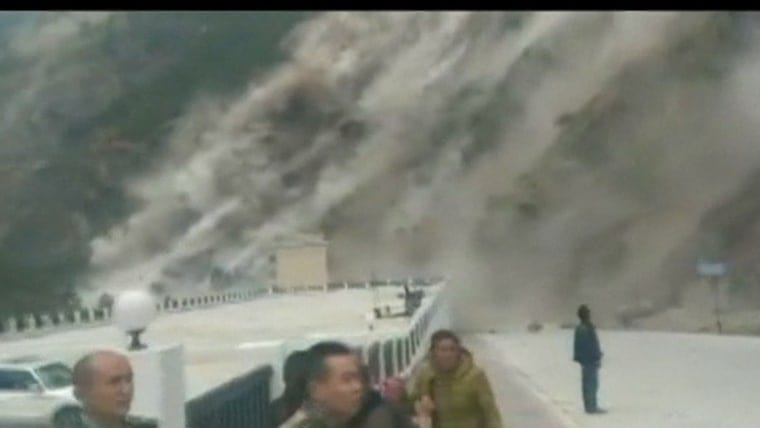
Initial reports indicate that the earthquake caused widespread destruction, with numerous buildings collapsing in both urban and rural areas. In Tibet, several villages have been reported as heavily damaged, with rescue teams struggling to reach isolated communities due to landslides triggered by the quake. In Nepal, cities close to the border experienced significant tremors, resulting in panic among the residents. Many people fled their homes, fearing aftershocks and further destruction.
Emergency services in both countries have been deployed to assess the damage and provide assistance to those affected. Local authorities are working tirelessly to clear debris and reach remote areas where communication has been disrupted. The harsh weather conditions in the region are complicating rescue efforts, as heavy rain and cold temperatures pose additional risks to survivors who may be trapped or displaced.
The earthquake has drawn attention from international aid organizations, many of which are preparing to mobilize resources to assist in the relief efforts. The United Nations and various non-governmental organizations have expressed their readiness to provide support, including medical supplies, food, and shelter for those who have lost their homes. The international community is closely monitoring the situation, with several countries offering condolences and assistance.
Seismologists have noted that this region is prone to earthquakes due to its geological makeup. The collision of the Indian and Eurasian tectonic plates has created a complex seismic environment, making it susceptible to significant seismic activity. While the region has experienced earthquakes in the past, the scale of this event has raised concerns about the preparedness of local infrastructure and emergency response systems.
In the aftermath of the earthquake, there are also fears regarding the potential for aftershocks. Experts warn that additional tremors could further complicate rescue operations and increase the risk of landslides in the already unstable terrain. Residents are being advised to remain vigilant and to seek shelter in safe locations until the risk of further seismic activity has subsided.
The psychological impact of such a disaster cannot be understated. Survivors are grappling with the loss of loved ones, homes, and their sense of security. Mental health professionals are being called upon to provide support to those affected, as the emotional toll of the earthquake is likely to linger long after the physical recovery efforts have begun.
As the situation continues to evolve, the focus remains on saving lives and providing immediate assistance to those in need. The full extent of the damage is still being assessed, and the number of casualties may rise as rescue teams reach more remote areas. The coming days will be critical in determining the overall impact of this devastating earthquake on the communities in Tibet and Nepal.
In conclusion, the earthquake that struck Tibet and Nepal serves as a stark reminder of the region’s vulnerability to natural disasters. The loss of life and destruction of property highlight the urgent need for improved disaster preparedness and response strategies. As rescue efforts continue, the resilience of the affected communities will be tested, and the international community’s support will play a crucial role in their recovery.