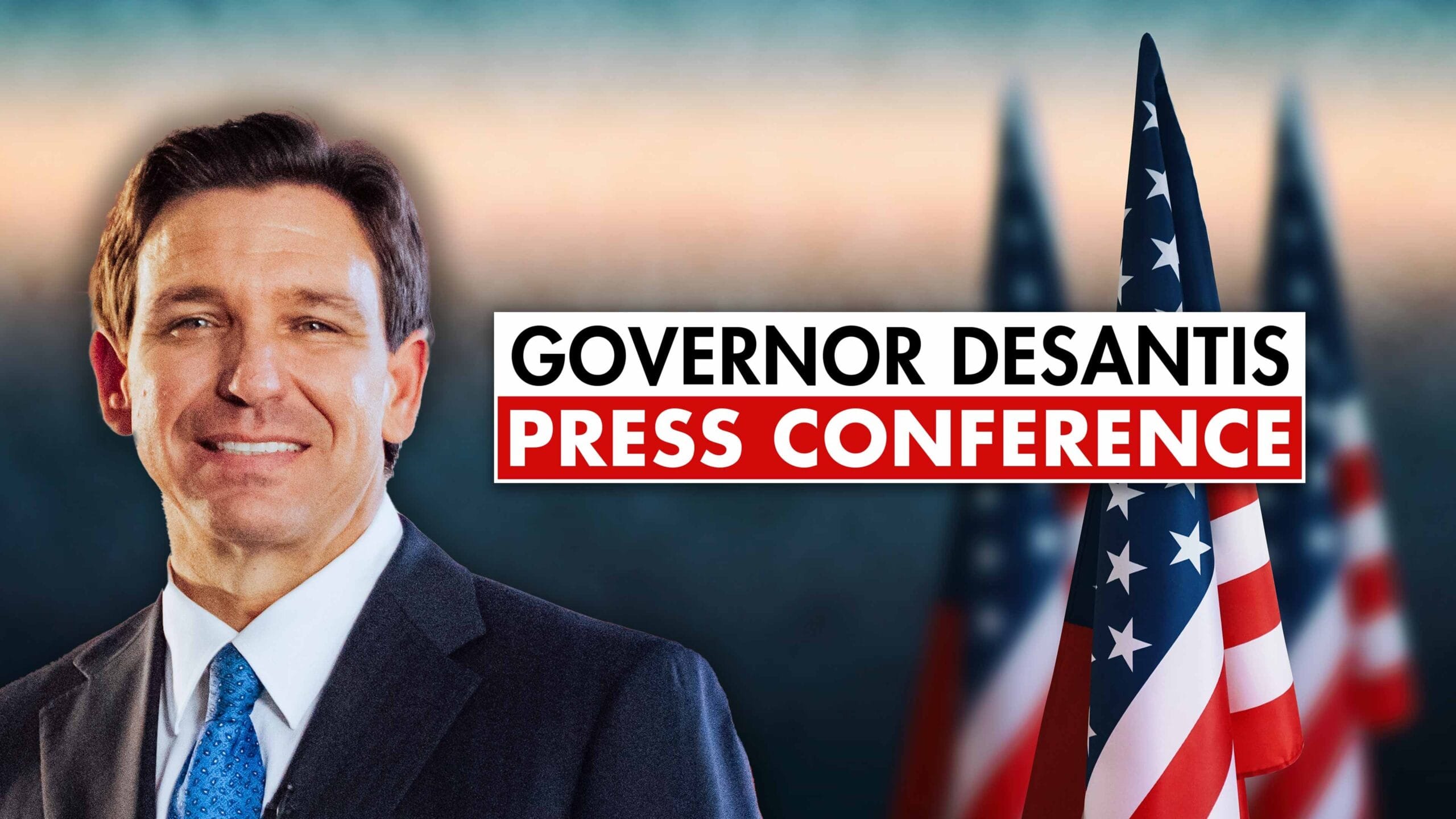
In a significant political maneuver, Florida Governor Ron DeSantis has announced a special legislative session dedicated to advancing immigration policies that echo those of former President Donald Trump. This decision underscores DeSantis’s ongoing efforts to position himself as a leading figure in the national conversation on immigration, particularly as he prepares for a potential presidential run in the future.
The special session, which is set to convene in the coming weeks, aims to address what DeSantis has characterized as a pressing crisis at the southern border. The governor’s office has indicated that the session will focus on a range of measures designed to bolster border security and enhance the enforcement of immigration laws at the state level. This initiative aligns with the broader Republican agenda that has sought to tighten immigration controls and reduce the number of undocumented immigrants in the United States.
DeSantis’s call for a special session comes at a time when immigration remains a contentious issue in American politics. The Biden administration has faced criticism from various quarters regarding its handling of border security and immigration policy, with many Republicans arguing that the current approach has led to increased illegal crossings and a perceived lack of control over the situation. In response, DeSantis has positioned himself as a staunch advocate for stricter immigration measures, drawing inspiration from Trump’s policies that prioritized border security and sought to limit immigration.
Among the proposals expected to be discussed during the special session are measures that would enhance the state’s ability to cooperate with federal immigration authorities. This could include increased funding for local law enforcement agencies to assist in immigration enforcement and the establishment of new protocols for handling undocumented immigrants within the state. Additionally, DeSantis has hinted at potential legislation aimed at penalizing businesses that employ undocumented workers, a move that aligns with Trump’s emphasis on holding employers accountable for hiring practices.
The governor’s decision to convene a special session has garnered attention from both supporters and critics. Proponents of stricter immigration policies argue that such measures are necessary to protect Florida’s residents and uphold the rule of law. They contend that the state has a responsibility to take action in the face of what they perceive as federal inaction on immigration issues. Supporters also believe that DeSantis’s leadership on this issue could resonate with voters who prioritize immigration reform.
Conversely, opponents of the proposed measures have raised concerns about the potential impact on immigrant communities in Florida. Critics argue that aggressive immigration enforcement can lead to fear and mistrust among residents, particularly among those who may be undocumented or have family members who are. They contend that such policies could have detrimental effects on public safety and community cohesion, as individuals may be less likely to report crimes or cooperate with law enforcement if they fear deportation.
As the special session approaches, DeSantis is likely to face pressure from various interest groups and constituents. Advocacy organizations focused on immigrant rights are expected to mobilize against the proposed measures, urging lawmakers to consider the human impact of immigration policies. Meanwhile, conservative factions within the state may push for even more stringent measures, reflecting the ongoing divide within the Republican Party on immigration issues.
The outcome of the special session could have significant implications for Florida’s immigration landscape and may serve as a bellwether for similar initiatives in other states. As DeSantis seeks to solidify his political standing, the decisions made during this session will likely be closely watched by both supporters and detractors. The governor’s actions may also influence the broader national dialogue on immigration as the 2024 presidential election approaches.
In conclusion, Governor Ron DeSantis’s call for a special legislative session to implement immigration policies inspired by Donald Trump marks a pivotal moment in Florida’s political landscape. As the state grapples with the complexities of immigration reform, the upcoming session will serve as a critical platform for debate and decision-making. The implications of these discussions will extend beyond Florida, potentially shaping the future of immigration policy in the United States.