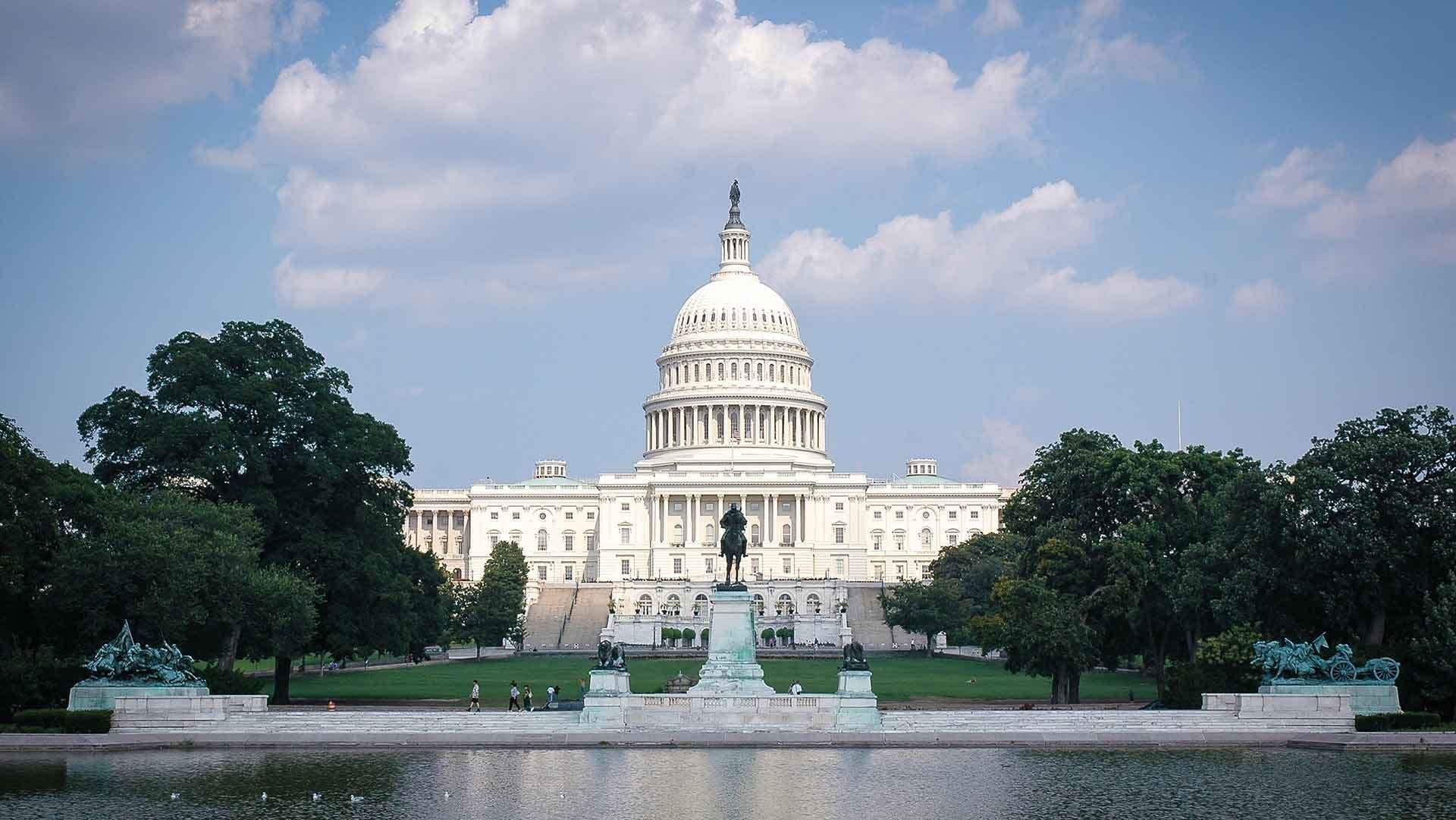
As the end of the year approaches, Congress has taken significant steps to ensure the continuity of government operations by introducing a funding bill designed to stave off a potential shutdown during the holiday season. The proposed legislation, which is set to cover federal expenditures through March 14, 2024, outlines a temporary funding extension that seeks to maintain stability in government services while giving legislators additional time to negotiate longer-term budgetary agreements.
The recently released bill reflects the urgency among lawmakers to prevent a government shutdown that could adversely affect various federal programs and services, particularly during a time when many Americans are preparing for the holidays. This initiative not only highlights the need for timely financial planning but also indicates a willingness among congressional leaders to collaborate to maintain government functionality.
The bill is anticipated to easily pass through both chambers of Congress, as members from both political parties recognize the ramifications associated with a government shutdown. Proposals for funding often generate significant debate, particularly concerning the allocation of resources to various departments. However, the current focus on averting a shutdown suggests that congressional members are prioritizing operational continuity over contentious budget fights, at least in the short term.
Funding for government operations has a profound impact on a wide swath of Americans, affecting everything from food assistance programs to national security. The bill’s passage is crucial in ensuring that federal agencies can continue to provide essential services without interruption. With many government employees facing uncertainty around their wages and job stability during a shutdown, the latest proposal aims to shield thousands of workers from the adverse effects typically associated with funding lapses.
As discussions continue, members of Congress will also explore longer-term budget solutions as they aim to address broader fiscal challenges. In recent months, there has been considerable focus on various funding priorities, reflecting the complexities of balancing economic pressures with public needs. Averting a shutdown is a significant first step, but lawmakers face the ongoing challenge of reconciling competing interests and establishing a sustainable budget plan moving forward.
Recent events have further underscored the critical importance of timely legislative action. In the past, temporary funding measures have often resulted in short-term solutions that delay substantive budget negotiations. While the current proposal effectively postpones the immediate threat of a government shutdown, policymakers will need to engage in earnest conversations about future funding commitments.
The effects of a government shutdown can be felt across the economy, impacting not just employees within the federal workforce but also businesses that contract with the government. The uncertainty created by potential funding crises can lead to disruptions in operations, harming overall economic stability. As such, the proposal to fund the government through March provides a necessary buffer for many stakeholders who rely on federal support.
Moreover, this proposed funding bill comes in light of increased public scrutiny over government spending and the need for more transparency in budgetary processes. Citizens increasingly expect their elected officials to handle fiscal responsibilities effectively and to prioritize the well-being of the nation. The forthcoming discussions will undoubtedly illuminate the priorities of different factions within Congress while affording opportunities for collaboration across party lines.
Furthermore, issues such as inflation, public health initiatives, and the ongoing ramifications of recent global events are likely to shape the backdrop against which these negotiations unfold. As Congress strives to rebuild public confidence in its ability to manage government resources efficiently, stakeholders expect lawmakers to approach these discussions with a sense of urgency and responsibility.
Additional challenges could arise as legislators weigh competing interests from various groups advocating for different funding levels in areas such as education, healthcare, and infrastructure. Navigating these complex discussions will be no small feat, and lawmakers will need to strike a delicate balance between meeting immediate funding requirements and addressing long-term policy objectives.
While the proposed bill is undoubtedly a critical step towards avoiding a holiday shutdown, it is not a remedy for the larger issues plaguing federal budgeting. Critics may argue that extending funding in this manner could lead to more procrastination rather than resolving pressing fiscal matters. Conversely, proponents assert that this measure is essential in creating space for more thorough deliberation.
In summary, Congress’s introduction of the funding bill to provide resources through March 14, 2024, reflects the institution’s recognition of the potential consequences of a government shutdown. While immediate needs are at the forefront, lawmakers must also acknowledge the importance of engaging in comprehensive discussions around future funding priorities. With the legislative clock ticking, Congress must act decisively to ensure that federal operations remain seamless throughout the coming months.