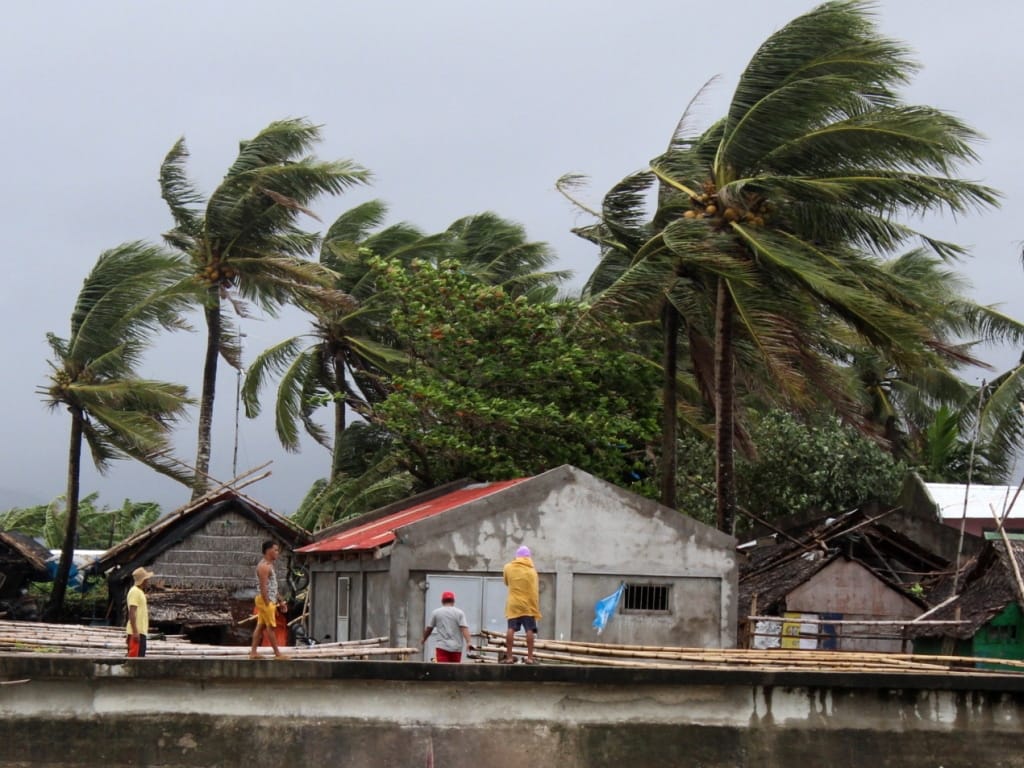
Cyclone Chido made landfall on Mayotte, a small French island located in the Indian Ocean, with ferocity not seen in years. The storm struck in the early hours of the morning, bringing with it catastrophic winds, torrential rain, and life-threatening storm surges. Initial reports indicate widespread destruction across the island, leading to concerns that the death toll could rise into the thousands as emergency services continue to assess the full extent of the disaster.
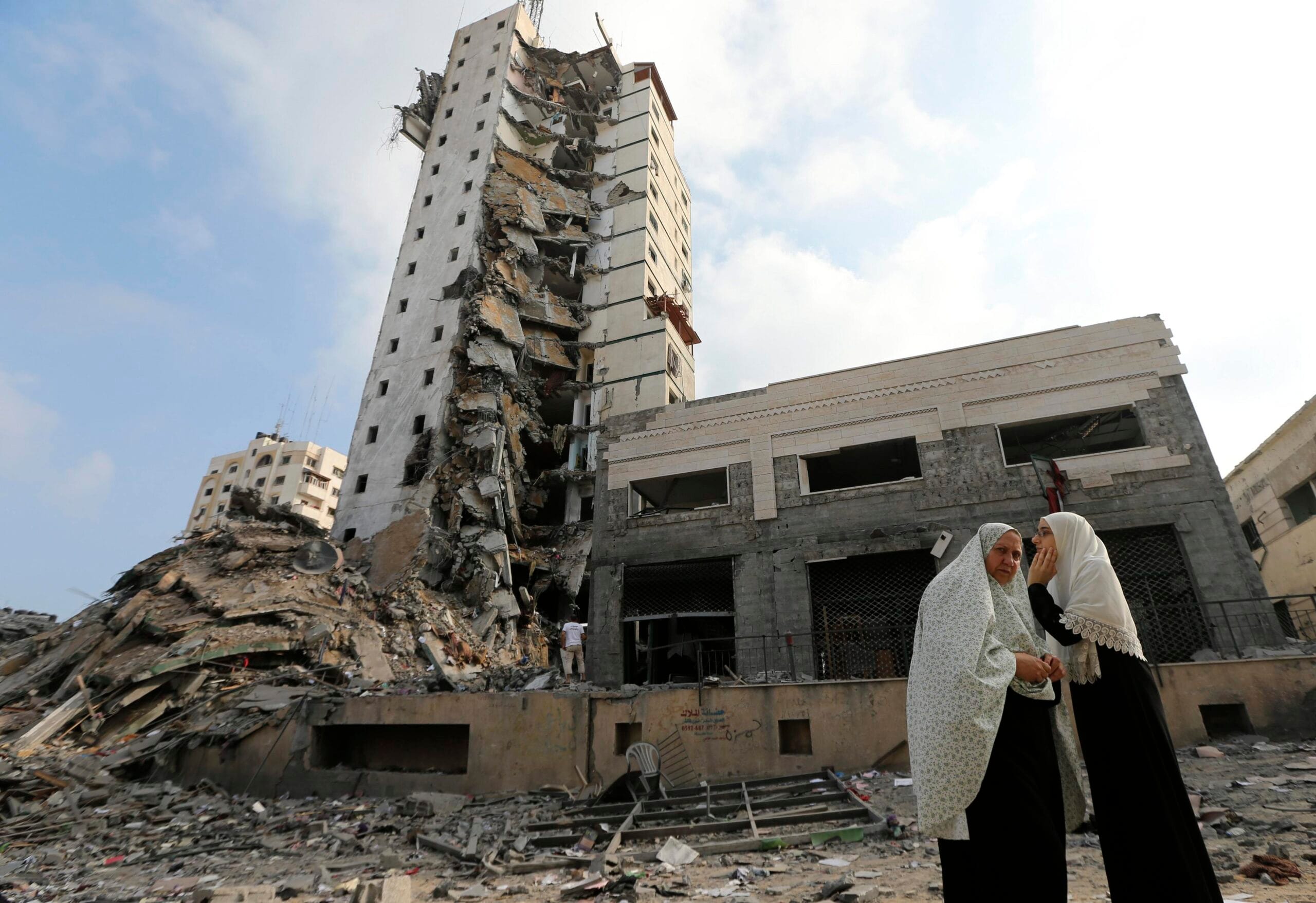
Witnesses described terrifying conditions as Cyclone Chido swept through the territory. Homes were flattened, trees uprooted, and power lines brought down, plunging large areas into darkness. Many residents reported fleeing their homes to seek shelter in public buildings, schools, and makeshift centers, but the sheer force of the storm made safe havens scarce. The fear and uncertainty were palpable as people struggled to come to terms with the violent disruption of their lives.
As of now, local authorities estimate that hundreds of people have already lost their lives, but the true human cost of Cyclone Chido is expected to grow as rescue operations continue. Access to some remote areas has been severely hindered by the storm’s aftermath, complicating efforts to find and assist those who are still unaccounted for. Search and rescue teams are being deployed, but they face substantial obstacles due to damaged roads and ongoing unfavorable weather conditions.
The island’s infrastructure has suffered significant damage, with many roads rendered impassable due to flooding and landslides. Hospitals are overwhelmed as they rush to treat the injured, and basic necessities such as food and clean water are becoming increasingly scarce. Humanitarian organizations are calling for immediate assistance to provide relief to those in dire need of shelter, medical care, and sustenance.
In response to the catastrophic situation, the French government has announced an emergency plan aimed at coordinating the relief efforts on the ground. Reinforcements in the form of equipment and personnel are being sent from mainland France to assist local agencies. The international community is also mobilizing to offer aid, with other nations expressing their willingness to provide support in the wake of this disaster.
While the immediate focus is on rescue and recovery, it is clear that recovery from Cyclone Chido will be a long and challenging process. Many families have lost their homes completely, and rebuilding efforts will require extensive resources. Experts fear the psychological toll on the population could be equally profound, as communities grapple with the trauma of the event and the loss of loved ones.
Beyond the immediate physical needs, this disaster raises important questions about climate resilience in Mayotte and similar regions prone to tropical storms. Authorities and environmental experts are likely to revisit their climate adaptation strategies, as such extreme weather events are expected to become more frequent due to climate change. Preparing for the implications of such storms will be crucial in protecting vulnerable island communities in the future.
Despite the despair, stories of resilience are beginning to emerge as well. Neighbors are banding together to help one another, offering what little resources they have left. Local organizations are mobilizing volunteers to assist with the relief efforts, showing the strength of community in the face of adversity.
As the full impact of Cyclone Chido unfolds, it is imperative that the needs of the population are met swiftly and effectively. Coordination between local, national, and international agencies will be essential in ensuring aid reaches those who need it most. The coming weeks will be critical in managing not only the immediate aftermath of the storm but also in laying down the foundations for long-term recovery and rebuilding efforts.
In conclusion, Cyclone Chido has left a profound mark on Mayotte, with its legacy likely to resonate far beyond the immediate devastation. The scope of the humanitarian response will play an important role in shaping the future of the affected communities and their ability to recover from this catastrophic event.