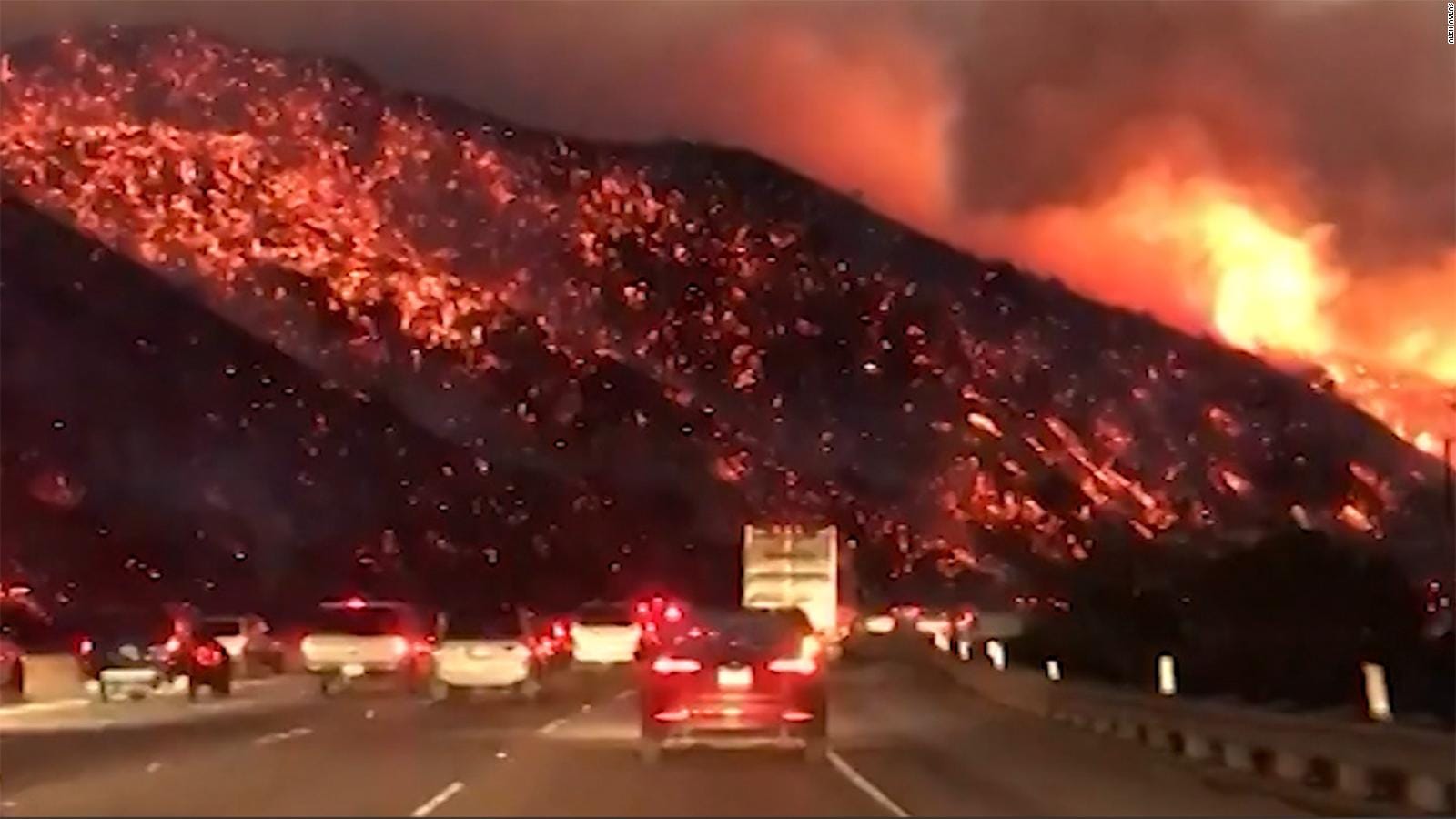
The state of California is currently grappling with a series of devastating wildfires that have raised alarms about their potential financial implications. Governor Gavin Newsom has publicly stated that these fires could become the most expensive disaster in U.S. history, a claim that underscores the severity of the situation. As the flames consume vast areas of land, the repercussions are being felt not only in terms of immediate damage but also in long-term economic consequences.
The wildfires, which have been exacerbated by a combination of extreme weather conditions, including prolonged drought and high winds, have already led to the evacuation of thousands of residents. Communities across the state are facing destruction, with homes, businesses, and critical infrastructure at risk. The governor’s remarks highlight the urgent need for a coordinated response to mitigate the damage and support affected communities.
In addition to the immediate threat to life and property, the economic fallout from these wildfires is expected to be significant. The costs associated with firefighting efforts, recovery, and rebuilding are likely to escalate rapidly. Governor Newsom has indicated that the state is prepared to allocate additional resources to combat the fires and assist those impacted. However, the scale of the disaster poses challenges that may stretch state and federal resources to their limits.
Insurance claims from homeowners and businesses are anticipated to rise sharply as the fires continue to spread. The financial burden on insurance companies could lead to increased premiums for policyholders in the future, further complicating the economic landscape for residents. The governor’s warning serves as a reminder of the broader implications of climate change, which has contributed to the increasing frequency and intensity of wildfires in California and across the western United States.
The environmental impact of the wildfires is also a pressing concern. The destruction of forests and wildlife habitats not only affects local ecosystems but also contributes to air quality issues that can have far-reaching health implications for residents. Smoke from the fires has already led to hazardous air quality levels in various parts of the state, prompting health advisories and warnings for vulnerable populations.
As the situation unfolds, state officials are working closely with federal agencies to secure additional support and resources. The Federal Emergency Management Agency (FEMA) has been activated to assist with disaster response efforts, and the governor has urged residents to remain vigilant and prepared for potential evacuations. The collaboration between state and federal agencies is crucial in addressing the immediate needs of those affected and in planning for long-term recovery.
In light of the ongoing crisis, community organizations and volunteers have mobilized to provide assistance to those displaced by the fires. Shelters have been established to offer refuge to evacuees, and local businesses are stepping up to support relief efforts. The resilience of California’s communities is being tested, but the spirit of solidarity and support is evident as residents come together to help one another during this challenging time.
Looking ahead, the state is also focusing on preventive measures to reduce the risk of future wildfires. This includes initiatives aimed at improving forest management practices, enhancing firebreaks, and investing in infrastructure to better withstand extreme weather events. The governor has emphasized the importance of addressing the root causes of wildfires, particularly in the context of climate change, to protect both the environment and the economy.
As California continues to battle these unprecedented wildfires, the implications of this disaster will likely resonate for years to come. The potential for these fires to become the costliest disaster in U.S. history serves as a stark reminder of the urgent need for comprehensive strategies to address the challenges posed by climate change and to safeguard communities against future disasters.
In conclusion, the wildfires currently ravaging California represent a multifaceted crisis that encompasses immediate threats to life and property, significant economic repercussions, and long-term environmental challenges. Governor Newsom’s warning about the potential costs associated with these fires underscores the gravity of the situation and the need for a united response to mitigate the impacts on affected communities.


