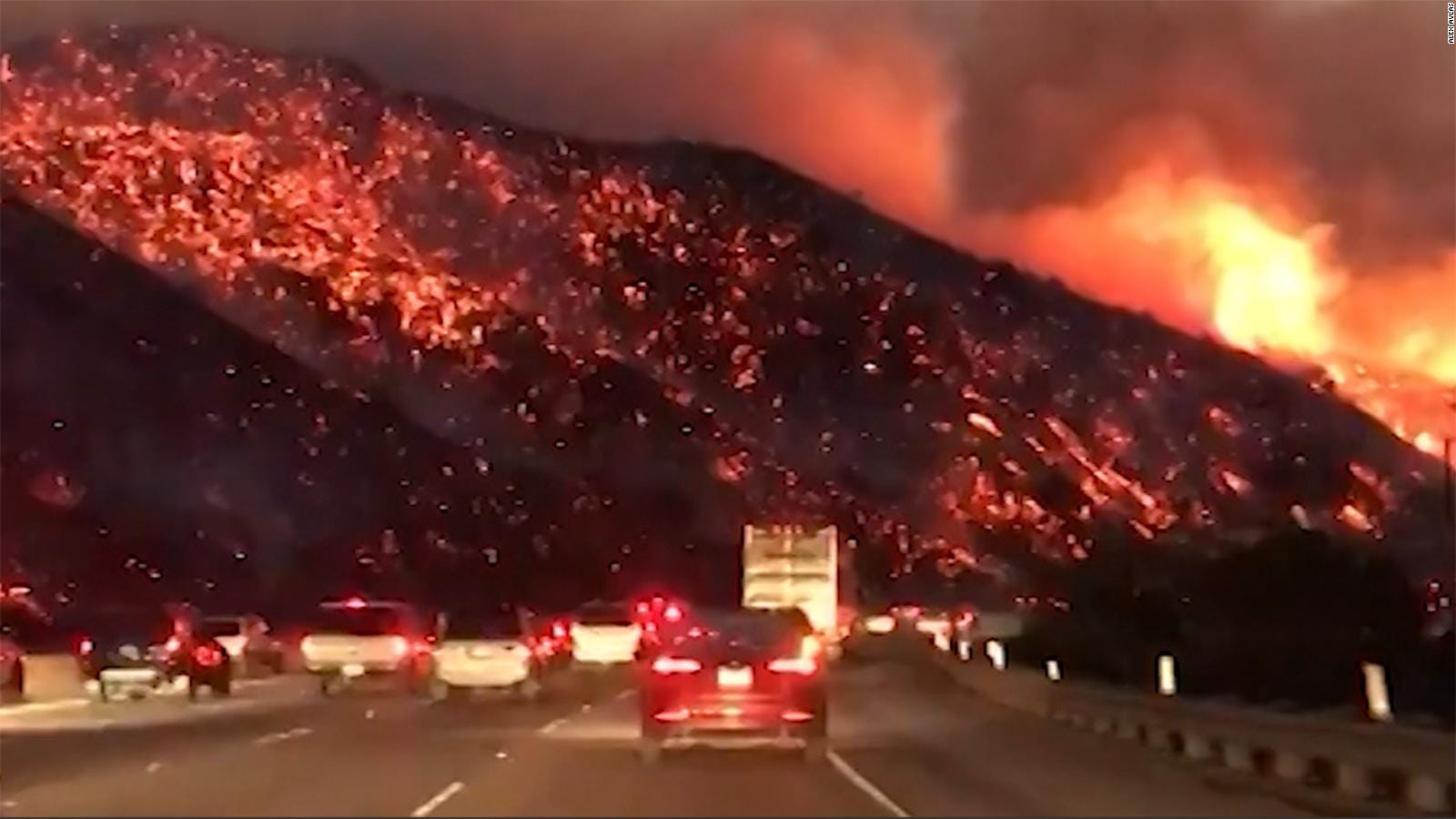
The state of California is currently grappling with a series of devastating wildfires that have raised alarms about their potential financial impact. Governor Gavin Newsom has publicly stated that these fires could become the most expensive disaster in U.S. history, a claim that underscores the severity of the situation. As flames consume vast areas of land, the repercussions are being felt not only in terms of immediate damage but also in long-term economic consequences.
The wildfires, which have been exacerbated by a combination of extreme weather conditions, including prolonged drought and high winds, have already led to the evacuation of thousands of residents. Communities across the state are facing destruction, with homes, businesses, and critical infrastructure at risk. The governor’s remarks highlight the urgent need for resources to combat the fires and support affected communities.
In addition to the immediate threat to life and property, the economic ramifications of the wildfires are significant. The cost of firefighting efforts, combined with the damage to homes and businesses, is expected to reach unprecedented levels. Insurance claims are likely to soar, and the long-term recovery process will require substantial investment from both state and federal governments. The governor has called for a coordinated response to address the challenges posed by the wildfires, emphasizing the importance of preparedness and resilience in the face of such disasters.
The environmental impact of the wildfires is also a critical concern. As large swathes of forest and wildlife habitat are destroyed, the ecological balance of the region is disrupted. The loss of vegetation not only contributes to air quality issues but also affects local wildlife populations. The governor has stressed the need for sustainable land management practices to mitigate the risk of future wildfires and protect California’s natural resources.
In response to the escalating crisis, state officials are mobilizing resources to support firefighting efforts. This includes deploying additional personnel and equipment to the front lines, as well as coordinating with federal agencies for assistance. The governor has urged residents to remain vigilant and prepared, as the situation continues to evolve.
The wildfires in California are not an isolated incident; they are part of a broader trend of increasing frequency and intensity of wildfires across the western United States. Climate change is a significant factor contributing to these conditions, with rising temperatures and changing precipitation patterns creating an environment conducive to wildfires. The governor’s comments serve as a reminder of the urgent need for comprehensive climate action to address the underlying causes of these disasters.
As the state navigates this challenging period, the focus remains on protecting lives and property while also planning for the future. The governor has emphasized the importance of community resilience and the need for individuals to take proactive measures to safeguard their homes and families. This includes creating defensible space around properties, having emergency plans in place, and staying informed about fire conditions.
In conclusion, the wildfires currently ravaging California pose a significant threat to both the environment and the economy. Governor Newsom’s warning about the potential for these fires to become the costliest disaster in U.S. history highlights the urgent need for action and support. As the state continues to battle the flames, the focus will remain on protecting communities, addressing the economic fallout, and implementing strategies to prevent future disasters.