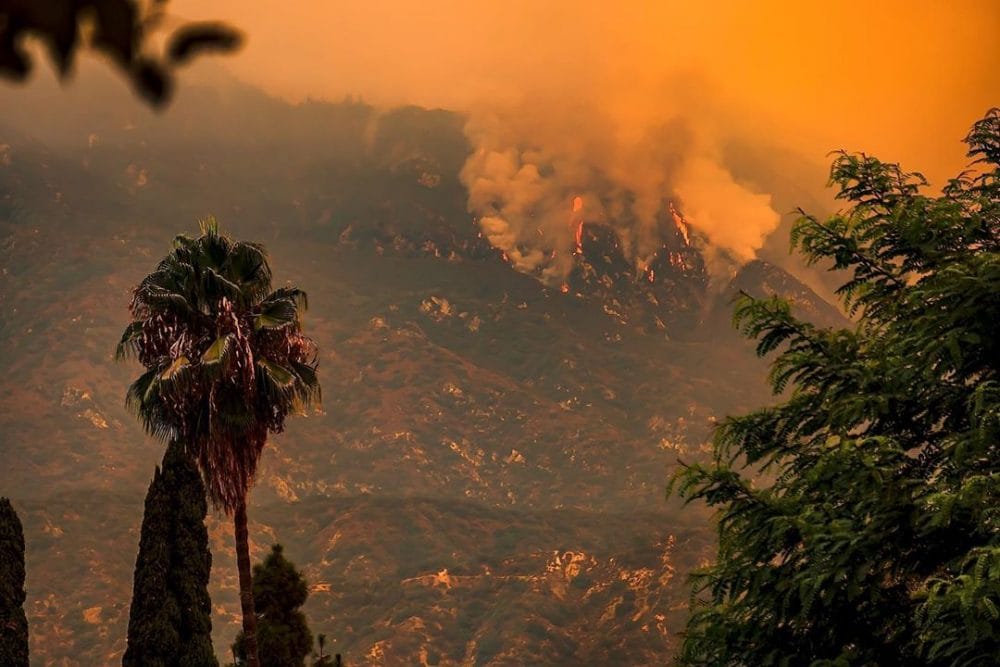
In a decisive move to confront the growing wildfire crisis in Los Angeles, California Governor Gavin Newsom has announced the expansion of a special legislative session dedicated to addressing the urgent challenges posed by wildfires. This initiative comes in light of the alarming increase in wildfire incidents across the state, particularly in Southern California, where the combination of dry conditions, high winds, and rising temperatures has created a perfect storm for fire outbreaks.
The special session, which was initially convened to discuss various pressing issues, will now prioritize wildfire prevention and response strategies. Governor Newsom emphasized the need for immediate action to protect communities, safeguard natural resources, and enhance the state’s overall resilience to wildfires. The governor’s office has indicated that the session will focus on several key areas, including funding for firefighting resources, investment in fire prevention programs, and the development of innovative technologies to detect and combat wildfires more effectively.
Wildfires have become an increasingly frequent and devastating occurrence in California, with the state experiencing some of the largest and most destructive fires in its history in recent years. The 2020 wildfire season was particularly catastrophic, with millions of acres burned and thousands of homes destroyed. As climate change continues to exacerbate these conditions, the urgency for comprehensive wildfire management strategies has never been more critical.
During the special session, lawmakers will be tasked with reviewing and approving funding allocations to bolster firefighting efforts. This includes not only the immediate needs for personnel and equipment but also long-term investments in infrastructure that can help mitigate the risks of wildfires. Governor Newsom has called for a collaborative approach, urging state agencies, local governments, and community organizations to work together in developing effective strategies for wildfire prevention and response.
In addition to funding, the session will also explore the implementation of advanced technologies that can enhance wildfire detection and monitoring. Innovations such as satellite imagery, drones, and artificial intelligence are being considered as tools to improve situational awareness and response times during wildfire events. By leveraging these technologies, California aims to stay ahead of potential fire outbreaks and minimize their impact on communities.
The governor’s office has also highlighted the importance of community engagement in wildfire preparedness. As part of the expanded session, discussions will include initiatives to educate residents about fire safety, evacuation plans, and the importance of creating defensible space around homes. Engaging communities in these efforts is seen as a vital component of building resilience against wildfires.
Furthermore, the special session will address the need for sustainable land management practices that can reduce the fuel load in fire-prone areas. This includes controlled burns, vegetation management, and other strategies that can help create buffer zones to protect communities from encroaching wildfires. By adopting a proactive approach to land management, California aims to reduce the frequency and severity of wildfires in the future.
As the special session unfolds, stakeholders from various sectors, including environmental groups, local governments, and firefighting agencies, are expected to provide input and collaborate on solutions. The governor’s commitment to addressing the wildfire crisis reflects a broader recognition of the challenges posed by climate change and the need for comprehensive strategies to protect both people and the environment.
In conclusion, Governor Newsom’s expansion of the special legislative session to address the wildfire crisis in Los Angeles underscores the urgency of the situation. With wildfires posing an ever-increasing threat to communities and ecosystems, the state is taking significant steps to enhance its preparedness and response capabilities. Through funding, technological innovation, community engagement, and sustainable land management practices, California aims to build a more resilient future in the face of an ongoing wildfire challenge.