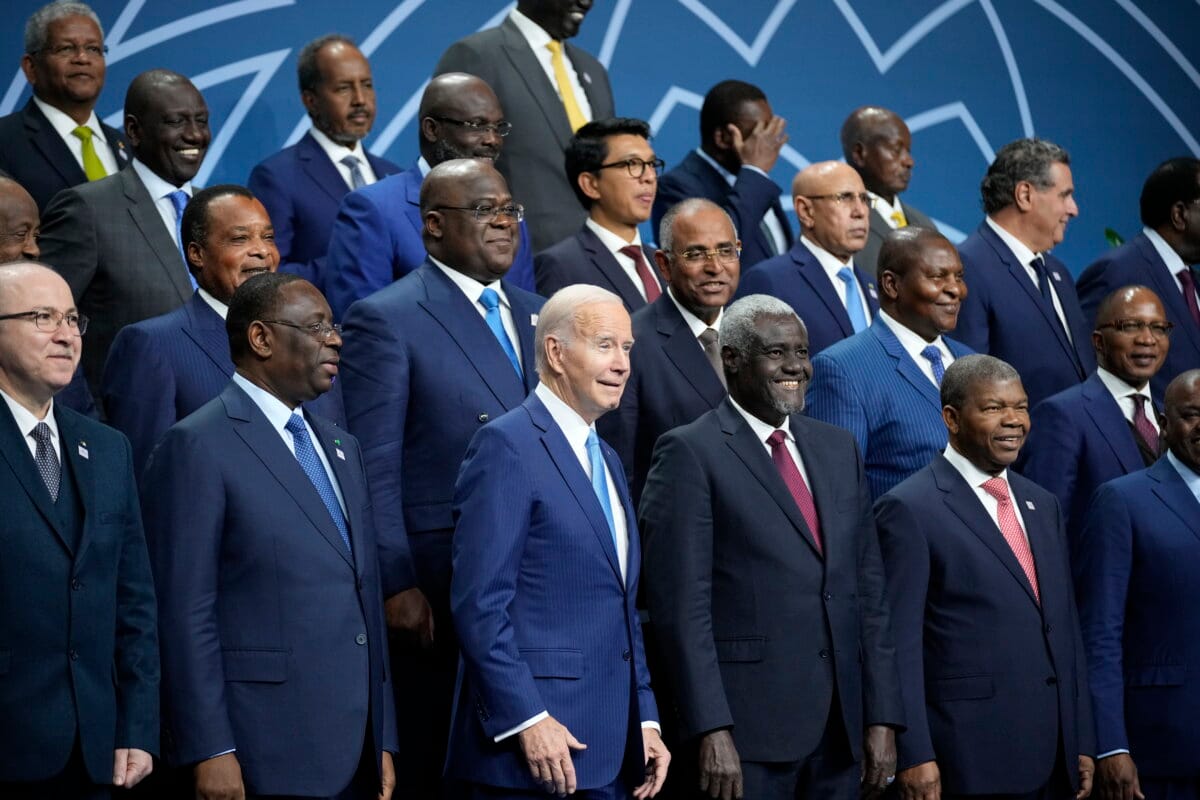
At the recent African summit held in Luanda, Angola, President Joe Biden was captured on camera appearing to rest his eyes during a session focused on critical issues facing the continent. The summit, which brought together leaders from various African nations, aimed to strengthen partnerships and address pressing challenges such as climate change, economic development, and security concerns.
The moment, which was widely shared on social media, has drawn mixed reactions. Supporters argue that it is a testament to the grueling schedule faced by world leaders, particularly as Biden has been traveling extensively to engage with global partners. Critics, however, have questioned the appropriateness of the moment, suggesting it reflects a lack of engagement in crucial discussions.
The summit featured a series of panels and discussions aimed at fostering collaboration between the United States and African nations. Key topics included sustainable development, health care initiatives, and investment opportunities in technology and infrastructure. Biden’s administration has emphasized its commitment to strengthening ties with Africa, viewing the continent as a vital partner in addressing global challenges.
Despite the brief moment of rest, Biden actively participated in discussions on climate initiatives and economic partnerships, reiterating the U.S. commitment to supporting African nations in their development goals. His administration has pledged billions in investment to support health care, education, and clean energy projects across the continent.
As the summit concluded, leaders expressed optimism about the future of U.S.-Africa relations, citing the importance of continued dialogue and collaboration. Biden’s engagement in the summit, despite the fleeting moment of rest, underscores the intensity of diplomatic efforts and the importance of addressing the needs and aspirations of African nations in the global arena.
Sources:
1. White House Press Release on U.S.-Africa Summit
2. BBC News Coverage of the African Summit
3. Reuters Analysis of U.S.-Africa Relations