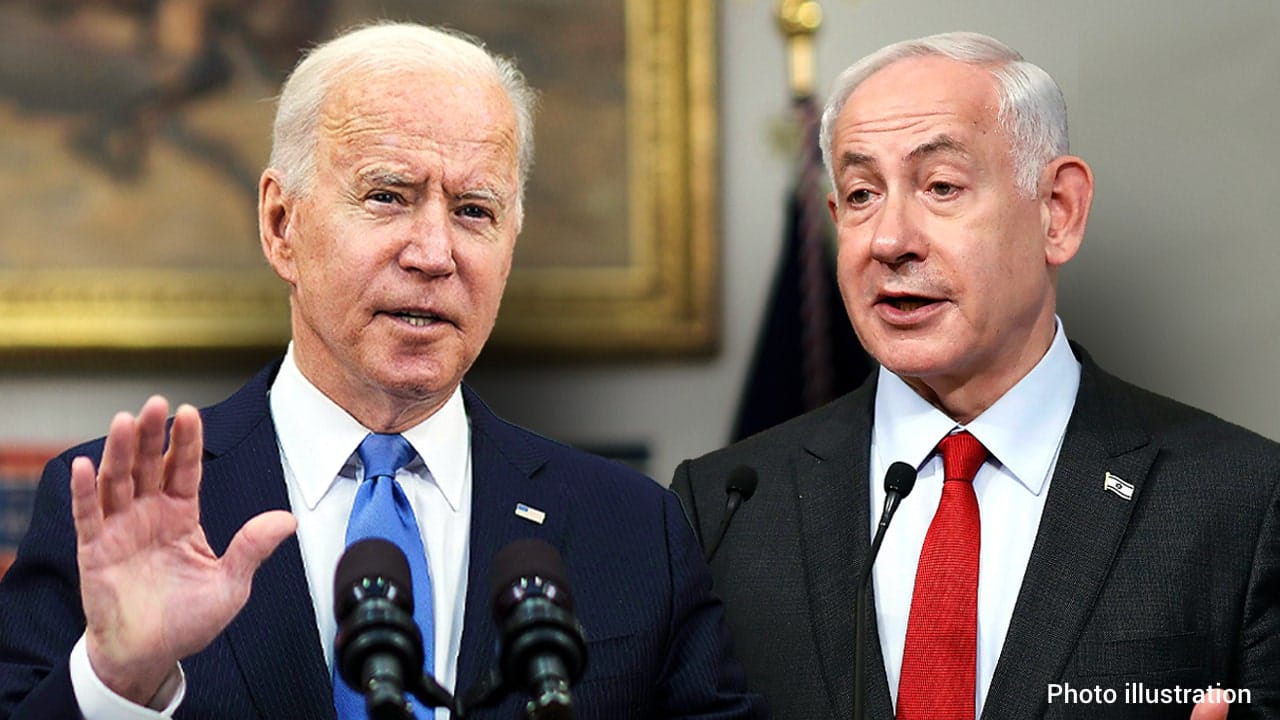
In a significant diplomatic engagement, U.S. President Joe Biden and Israeli Prime Minister Benjamin Netanyahu have initiated discussions focused on potential truce talks in Gaza. This dialogue comes at a time when momentum is building for a ceasefire, as both leaders recognize the urgent need to address the escalating humanitarian crisis resulting from the ongoing conflict.
The discussions between Biden and Netanyahu highlight the United States’ role as a key mediator in the region. The Biden administration has been actively involved in seeking a resolution to the violence that has erupted in Gaza, which has resulted in substantial loss of life and widespread destruction. The U.S. has consistently emphasized the importance of protecting civilian lives and ensuring humanitarian access to those affected by the conflict.
During their recent conversations, Biden reiterated the United States’ commitment to Israel’s security while also expressing deep concern for the humanitarian situation in Gaza. The President underscored the necessity of finding a balance between military objectives and the urgent need to alleviate the suffering of civilians caught in the crossfire. This dual approach reflects a broader strategy aimed at fostering stability in the region.
Netanyahu, for his part, acknowledged the complexities of the situation and the challenges faced by Israel in its military operations. He emphasized that Israel has a right to defend itself against threats, particularly from militant groups operating in Gaza. However, he also recognized the importance of addressing humanitarian needs and the potential for a ceasefire to facilitate aid delivery to those in need.
The discussions between the two leaders come amid increasing international pressure for a ceasefire. Various countries and organizations have called for an end to hostilities, urging both sides to prioritize dialogue over military action. The United Nations has also expressed concern over the humanitarian impact of the conflict, with reports indicating a rising number of casualties and displacement among civilians in Gaza.
As the situation evolves, the Biden administration has been working closely with regional partners to explore avenues for a truce. Diplomatic efforts have included consultations with key stakeholders in the Middle East, as well as engagement with international organizations to coordinate humanitarian assistance. The U.S. has also been in contact with Egypt and Qatar, both of which have historically played roles in mediating between Israel and Palestinian factions.
The potential for a truce is further complicated by the differing objectives of the parties involved. While Israel seeks to dismantle militant infrastructure in Gaza, Palestinian groups are calling for an end to the blockade and restrictions that have exacerbated the humanitarian crisis. Finding common ground will be essential for any successful negotiations, and both Biden and Netanyahu appear to be aware of the need for compromise.
In addition to the immediate humanitarian concerns, the discussions also touch on broader geopolitical implications. The ongoing conflict has the potential to destabilize the region further, with repercussions that could extend beyond Gaza. The Biden administration is keenly aware of the need to maintain stability in the Middle East, particularly in light of Iran’s influence and the ongoing tensions between Israel and its neighbors.
As the dialogue continues, both leaders are likely to face scrutiny from their respective constituencies. Biden must balance the expectations of progressive members of his party who advocate for a stronger stance on humanitarian issues, while Netanyahu faces pressure from right-wing factions in Israel that demand a robust military response. Navigating these political landscapes will be crucial as they work towards a potential truce.
In conclusion, the discussions between President Biden and Prime Minister Netanyahu represent a critical step in addressing the ongoing conflict in Gaza. As momentum builds for a potential ceasefire, the focus remains on finding a resolution that prioritizes both security and humanitarian needs. The outcome of these talks could have significant implications for the future of the region and the lives of those affected by the violence.


