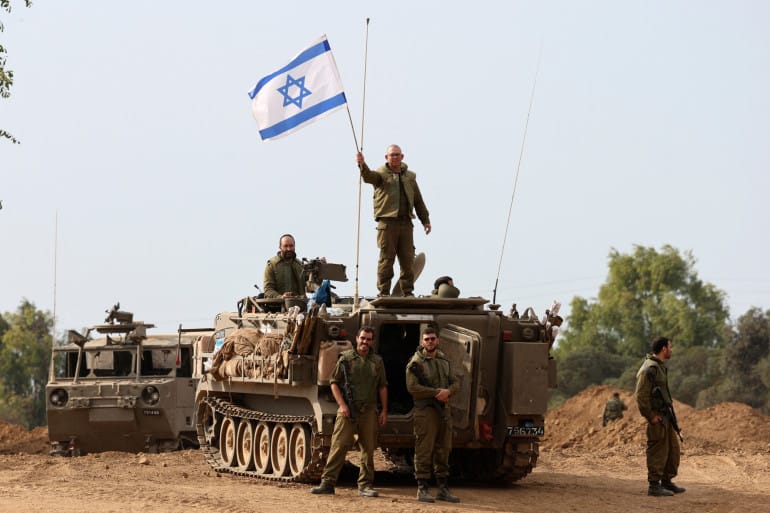
The conflict between Israel and Hamas has been a focal point of international attention, particularly in light of the recent escalation of violence. As both sides grapple with the consequences of ongoing hostilities, discussions surrounding a potential ceasefire have gained momentum. The draft ceasefire agreement currently under consideration reflects the intricate dynamics of the conflict, revealing the underlying tensions and demands that characterize the negotiations.
At the heart of the draft ceasefire deal are the terms proposed by both Israel and Hamas. Israel’s primary concern revolves around security, particularly the need to prevent future attacks from Hamas and other militant groups in Gaza. This has led to demands for the disarmament of Hamas and the cessation of rocket fire into Israeli territory. Israel seeks assurances that any ceasefire will not merely serve as a pause in hostilities but will lead to a long-term solution that addresses its security concerns.
On the other hand, Hamas has articulated its own set of demands, which include the lifting of the blockade imposed by Israel on the Gaza Strip. The blockade has had significant humanitarian implications, leading to widespread suffering among the civilian population. Hamas argues that a ceasefire must be accompanied by measures that alleviate the humanitarian crisis in Gaza, including the restoration of essential services and the facilitation of aid. The group also seeks recognition of its political legitimacy and the right to govern in Gaza, which complicates the negotiations further.
The role of international mediators has been crucial in facilitating discussions between the two parties. Countries such as Egypt and Qatar have historically played a mediating role, leveraging their relationships with both Israel and Hamas to broker agreements. The involvement of international actors underscores the global interest in achieving a resolution to the conflict, as the repercussions of continued violence extend beyond the immediate region. Mediators often face the challenge of balancing the demands of both sides while ensuring that any agreement is viable and sustainable.
Tensions surrounding the draft ceasefire deal are palpable, as both parties remain wary of each other’s intentions. Israel’s skepticism regarding Hamas’s commitment to a ceasefire is rooted in past experiences where agreements have been violated. Similarly, Hamas’s distrust of Israel’s intentions is fueled by the perception that Israel may use a ceasefire as a tactical pause to regroup and strengthen its military position. This mutual distrust complicates the negotiation process and raises questions about the feasibility of reaching a lasting agreement.
Moreover, the internal political dynamics within both Israel and Hamas play a significant role in shaping the negotiations. In Israel, political leaders must contend with public opinion, which often favors a hardline approach to security. Any perceived concessions to Hamas could be met with backlash from constituents who prioritize national security. Conversely, Hamas faces pressure from its own constituents, who are grappling with the dire humanitarian situation in Gaza. The leadership must navigate these internal pressures while seeking to maintain its political relevance and legitimacy.
The implications of the draft ceasefire deal extend beyond the immediate conflict. A successful agreement could pave the way for broader discussions regarding the Israeli-Palestinian conflict, potentially leading to renewed efforts for a two-state solution. Conversely, failure to reach an agreement could result in a protracted cycle of violence, further entrenching divisions and complicating future negotiations. The international community remains watchful, as the outcome of these discussions will have far-reaching consequences for regional stability and security.
In conclusion, the draft ceasefire agreement between Israel and Hamas encapsulates the complexities and tensions inherent in the ongoing conflict. The divergent demands of both parties, coupled with the role of international mediators and internal political dynamics, create a challenging landscape for negotiations. As discussions continue, the world watches closely, hopeful for a resolution that addresses the underlying issues while ensuring the safety and well-being of civilians on both sides.