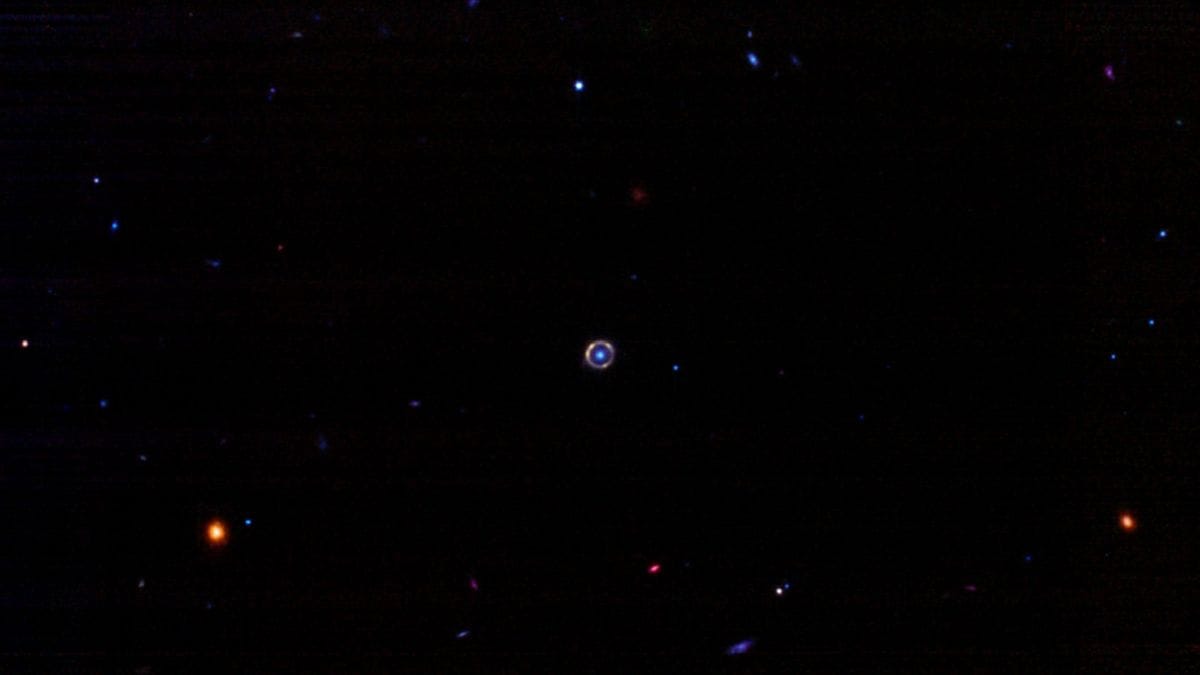
The Euclid space telescope, operated by the European Space Agency, has delivered unprecedented imagery of a rare Einstein ring, a visual result of gravitational lensing. The discovery sheds light on cosmic events millions of light-years away and serves as a powerful tool for studying dark matter and energy, furthering humanity’s understanding of the universe.
Category: Science
Space Telescope Uncovers Pristine Einstein Ring in Nearby Galaxy
Astronomers using the European Space Agency’s Euclid space telescope have unveiled a striking example of an Einstein ring. This rare phenomenon, a consequence of gravitational lensing predicted by Einstein’s general theory of relativity, occurs when the light from a distant galaxy is bent into a halo around a closer galaxy, providing valuable data about cosmic structures.
NASA Deploys Webb Telescope to Monitor Risky Asteroid Trajectory
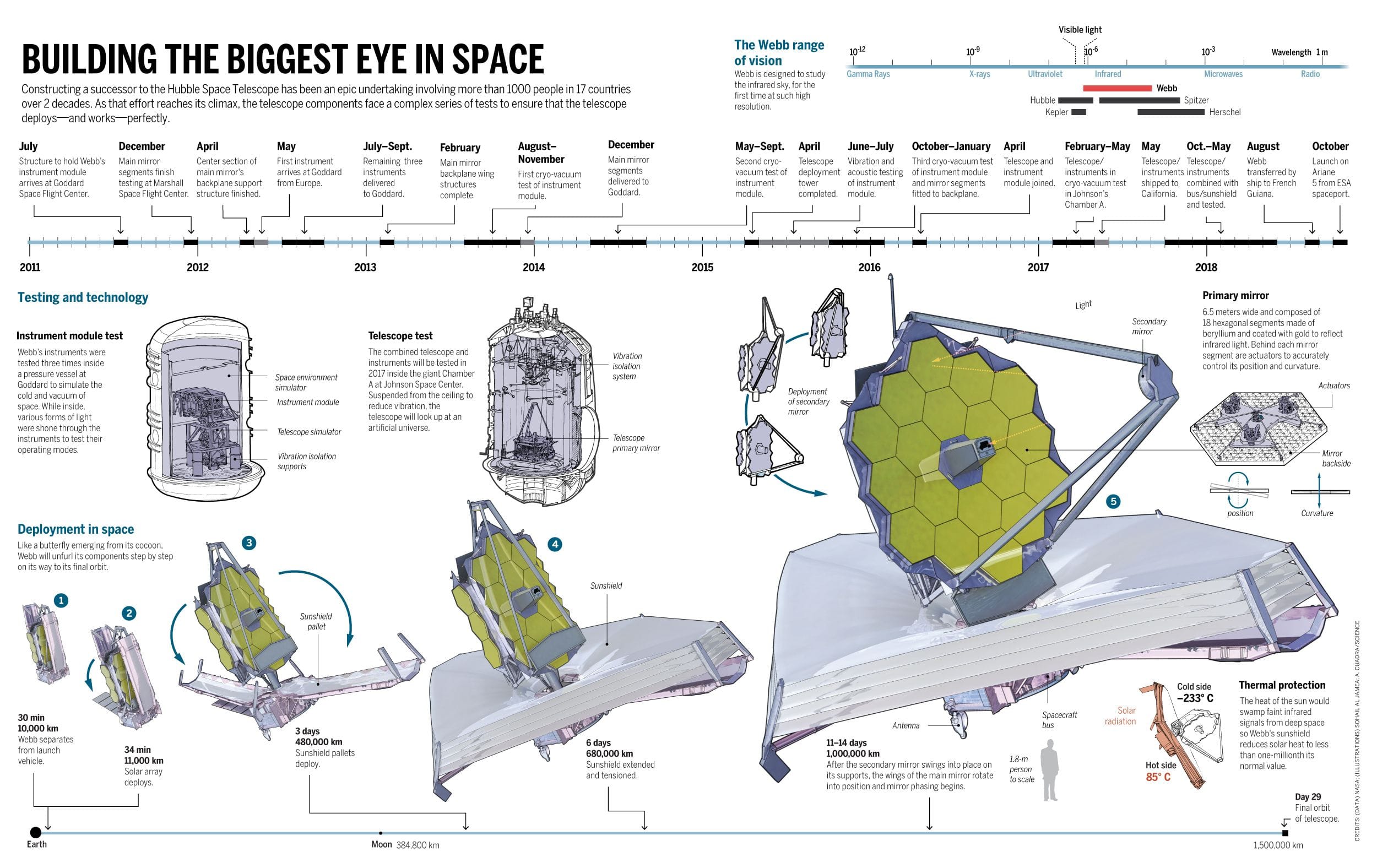
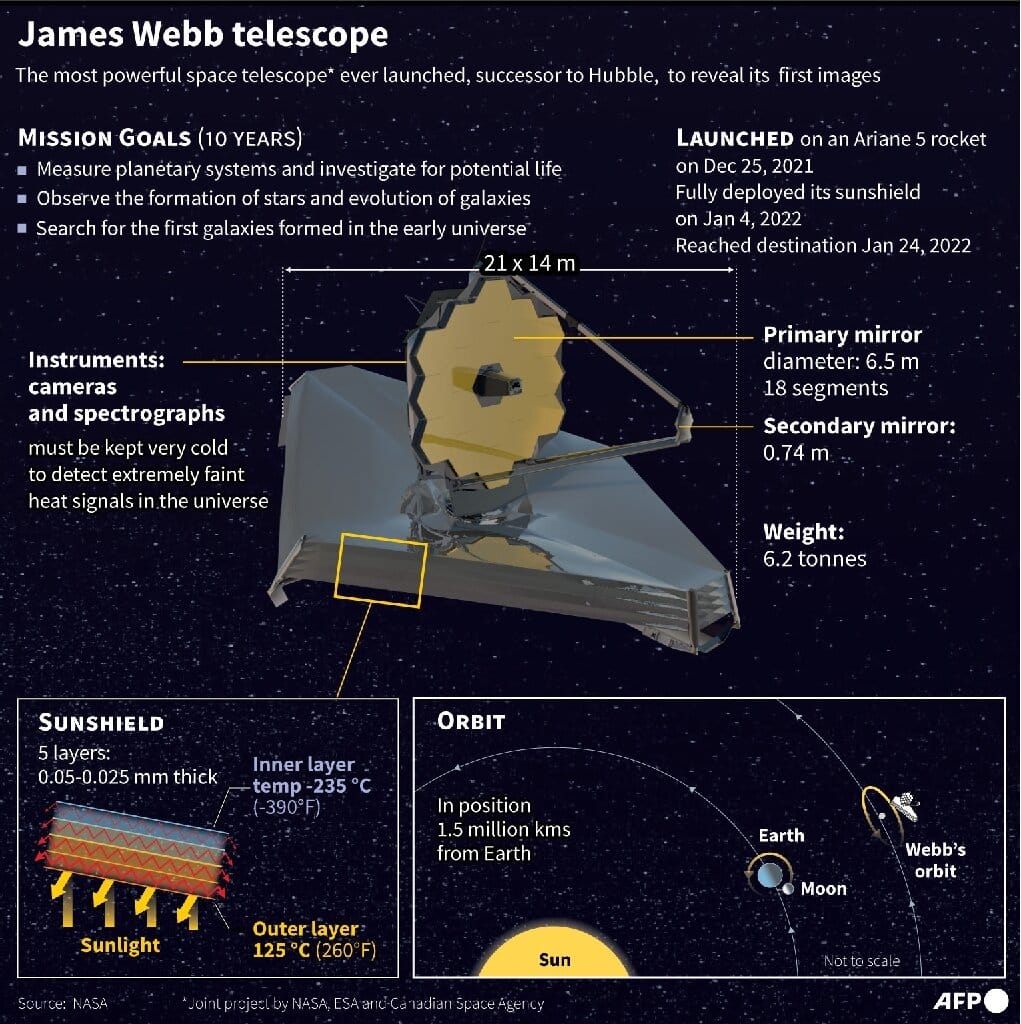
NASA is turning to the James Webb Space Telescope to gather precise data on asteroid 2024 YR4, a recently discovered near-Earth object posing a small but noteworthy collision risk with Earth in 2032. The telescope’s intervention aims to determine the asteroid’s orbit with greater accuracy, filling observational gaps left by ground-based instruments.

Deep Changes Detected in Earth’s Inner Core: A Groundbreaking Discovery
A recent study sheds light on an unexpected dynamic within Earth’s inner core, revealing that this dense, iron-rich sphere at the planet’s center is undergoing shape shifts. The discovery, made possible through decades of seismic data analysis, provides new insight into the planet’s structural evolution and its geological implications.
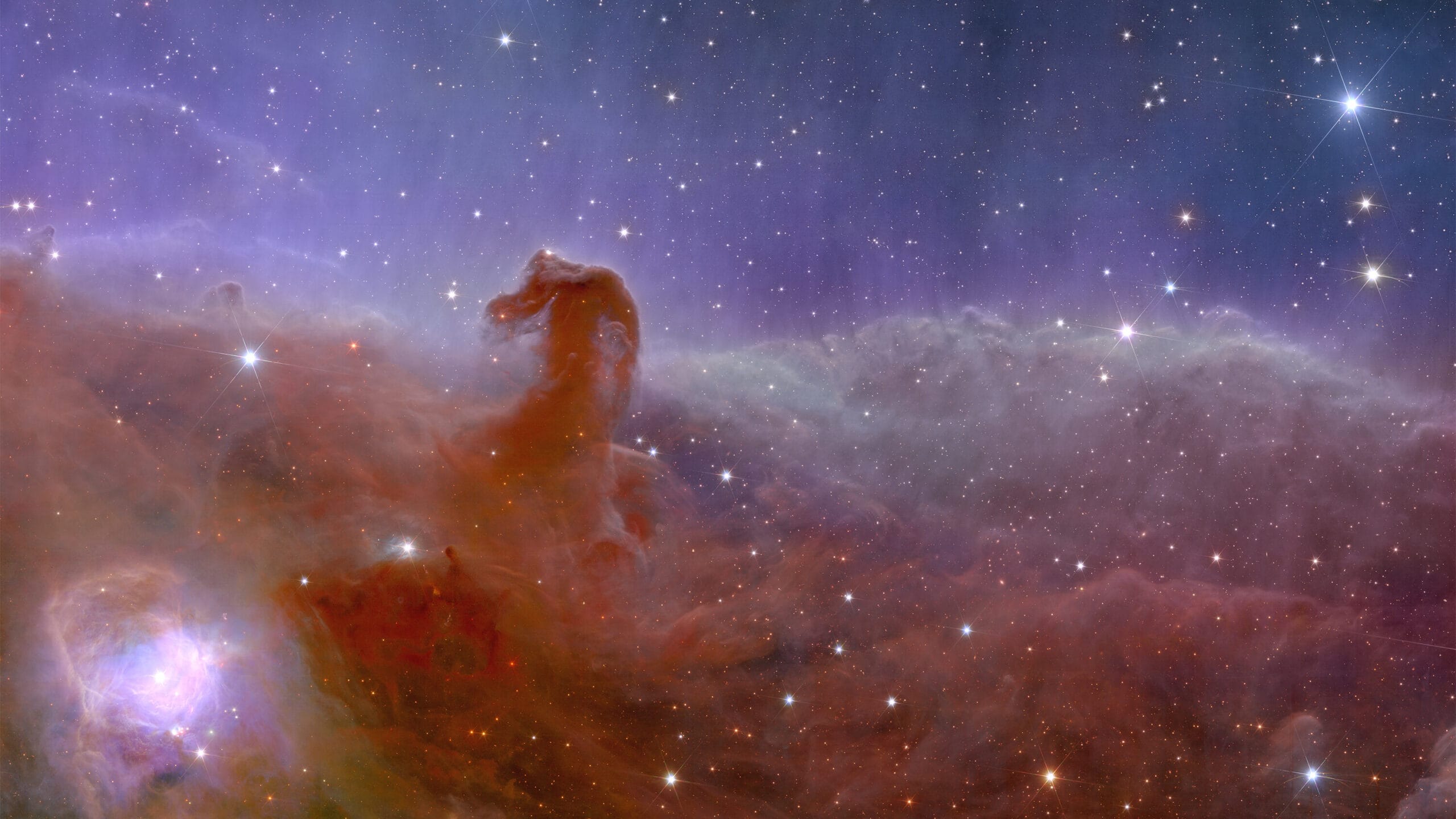
Space Telescope Captures Astonishing Einstein Ring Phenomenon
A space telescope operated by the European Space Agency has detailed one of the cosmos’ rarest wonders—a perfect Einstein ring. This phenomenon, an extraordinary consequence of gravitational lensing predicted by Einstein’s theories, offers profound insights into the distribution of matter and holds potential for breakthroughs in studying distant galaxies.

Exploring the Universe Through Infrared: NASA’s SPHEREx Mission
NASA’s SPHEREx space telescope, poised for launch in February 2025, is set to revolutionize our understanding of the cosmos. Designed to survey the entire sky in infrared light, this groundbreaking mission aims to answer fundamental questions about the universe’s origins, its structure, and the building blocks of life.
Astronomers Reveal Stunning Image of Stellar Birth Amid Dust Clouds
In an extraordinary feat, astronomers have captured a high-resolution image of a newborn star, HH 30, in the Taurus Molecular Cloud. Using advanced tools like the James Webb Space Telescope, the image provides unprecedented detail of a protoplanetary disk, offering invaluable insights into the early stages of star and planet formation.

Unlocking the Infrared Universe: NASA’s SPHEREx Space Telescope
NASA’s SPHEREx mission, set to launch in early 2025, aims to survey the cosmos in a way no telescope has done before. Designed to map the entire sky in infrared, SPHEREx is set to provide critical data on the origins of the universe, galaxy formation, and the molecular makeup of interstellar space. With its ability to detect over 100 wavelengths of light, this groundbreaking telescope not only complements previous NASA missions but also opens pathways for future astronomical discoveries.

Astronomers Unveil Mesmerizing Image of Young Star Formation in Stellar Nursery
Utilizing the James Webb Space Telescope’s advanced capabilities, astronomers have provided an unprecedented glimpse into the formation of a newborn star within the Taurus Molecular Cloud. The image reveals a detailed protoplanetary disk and jet activity, offering valuable insights into the early stages of star and planetary system development.
Quipu: Unveiling the Largest Known Cosmic Structure
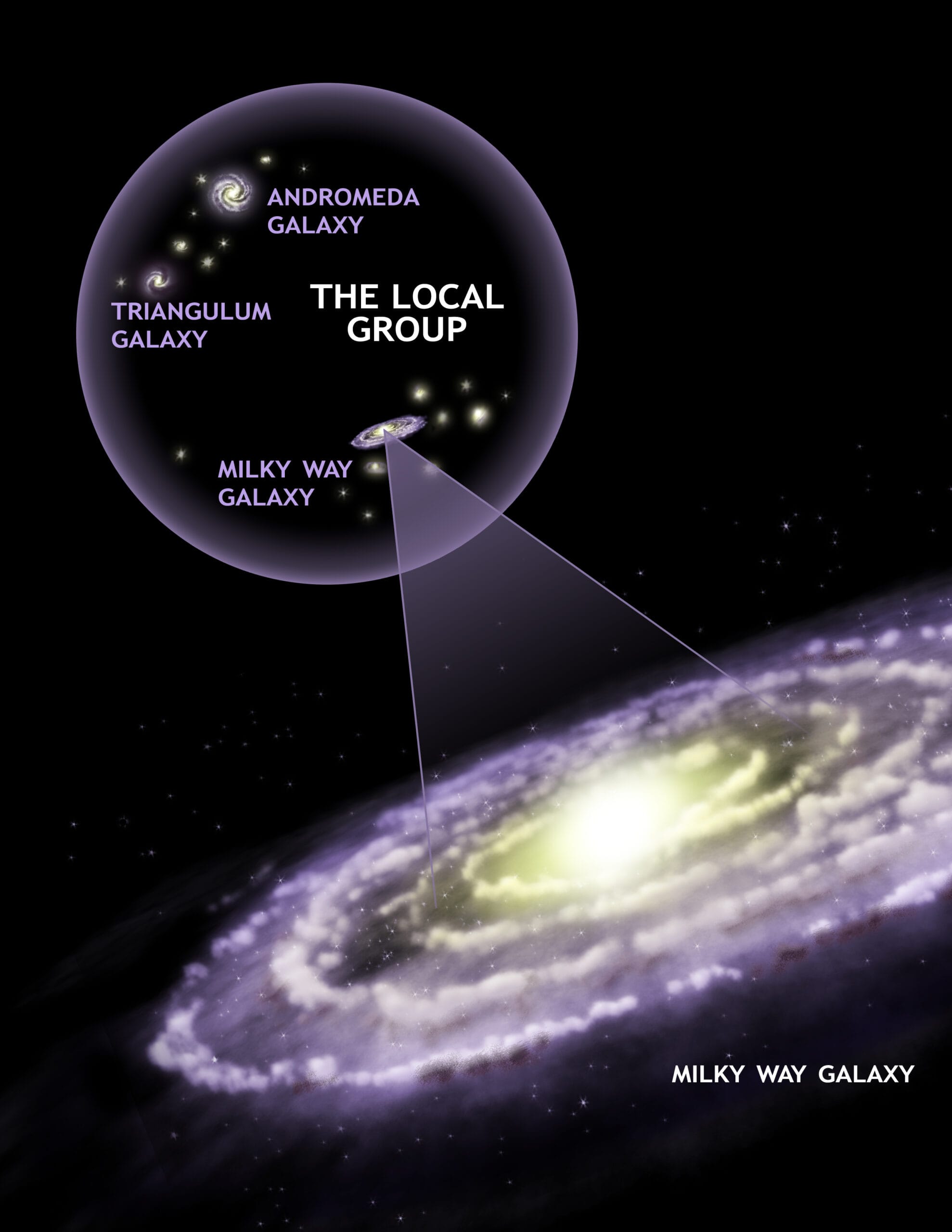
A groundbreaking discovery in astronomy has revealed the existence of Quipu, the largest known structure in the universe. Spanning approximately 1.3 billion light-years across, this colossal superstructure boasts an estimated mass of 200 quadrillion suns, housing a staggering proportion of the observable universe’s galaxies and matter. Its immense scale challenges our understanding of cosmic formation and evolution.