
A Soviet spacecraft, originally launched in 1970 for a mission to Venus, has re-entered Earth’s atmosphere after 53 years in orbit. This event marks a unique occurrence in space exploration history, raising interest in both its journey and implications for space debris management.
Category: Science
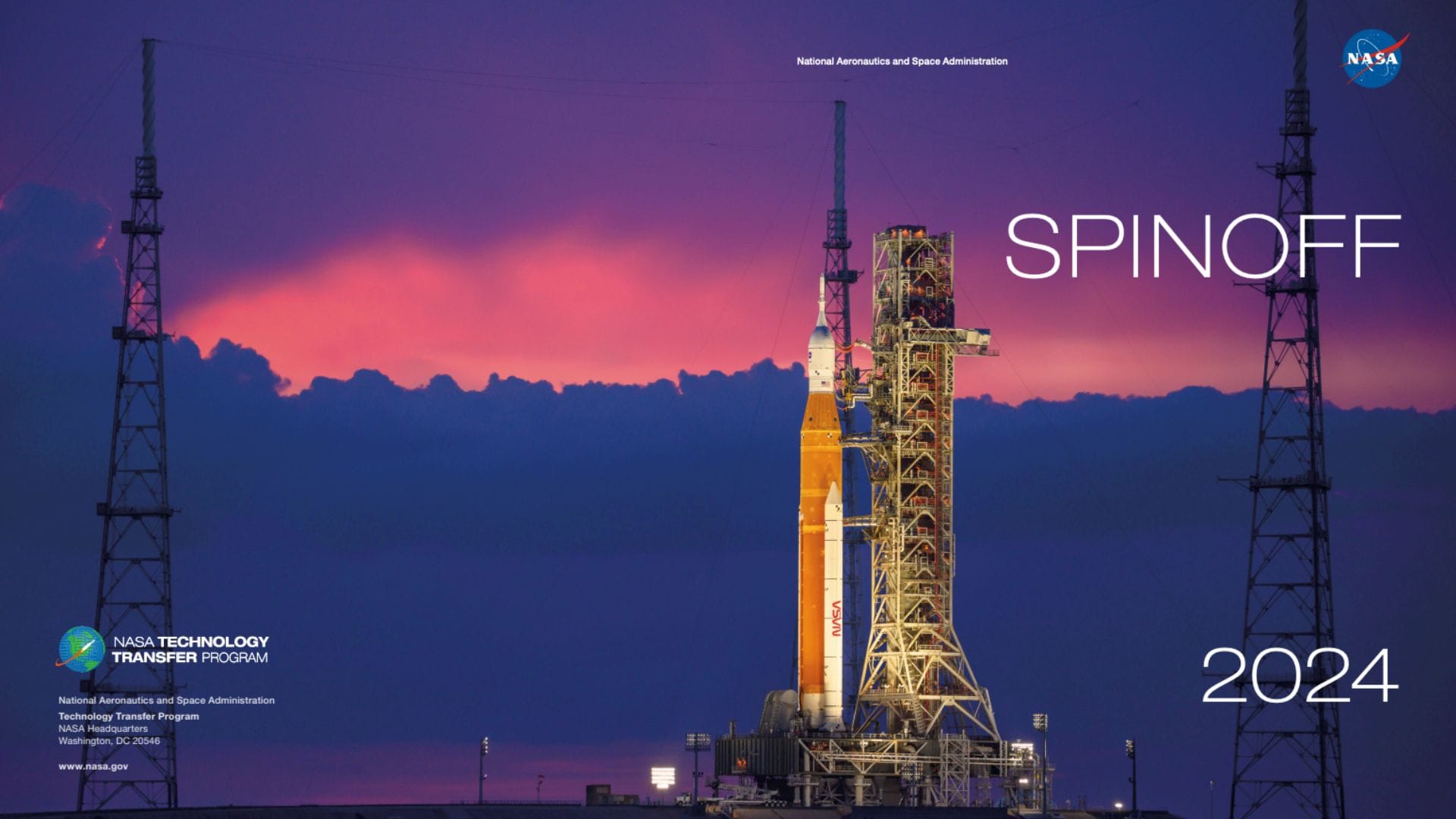
The U.S. Aims to Establish Temporal Authority on the Moon with NASA’s Lunar Spindle Initiative
NASA is developing a lunar spindle system aimed at asserting the United States’ temporal control over lunar activities. The project seeks to standardize time on the Moon, thereby enhancing coordination among international missions and reinforcing American leadership in lunar exploration.
Study Reveals Nanoplastics from Plastic Waste Can Easily Absorb Heavy Metal Ions
A recent study highlights that nanoplastics generated from real-world plastic waste have a significant ability to adsorb heavy metal ions. This finding raises concerns about the environmental and health impacts of plastic pollution, particularly in freshwater and marine ecosystems.

Hubble Reveals Rogue Black Hole Consuming a Star Over 600 Million Light-Years Away
The Hubble Space Telescope has detected a rogue black hole located 600 million light-years from Earth, actively consuming a star. This extraordinary find elucidates the complex behaviors of black holes in the universe and provides insight into their influence on galactic dynamics.

Breakthrough Discovery: Physicists Detect Free-Range Atoms, Upholding a Century-Old Quantum Theory
In a landmark breakthrough, physicists have successfully identified free-range atoms, providing empirical support for a century-old quantum mechanics theory. This discovery sheds light on fundamental atomic behaviors, paving the way for advancements in quantum physics and technology.

Discovery of Unique Crystal Formed by First Nuclear Test
Scientists have uncovered an unprecedented crystal structure that originated from the first nuclear bomb test conducted at Alamogordo, New Mexico, in 1945. This crystal exhibits properties and geometries previously unseen, reshaping our understanding of materials formed under extreme conditions.
A Historic Soviet Spacecraft Set to Re-enter Earth’s Atmosphere After 53 Years
The spacecraft, originally launched in the 1970s, is predicted to re-enter Earth’s atmosphere this week, marking a significant moment in space history. Researchers are monitoring its descent and potential impact zones, with minimal risk to populated areas.
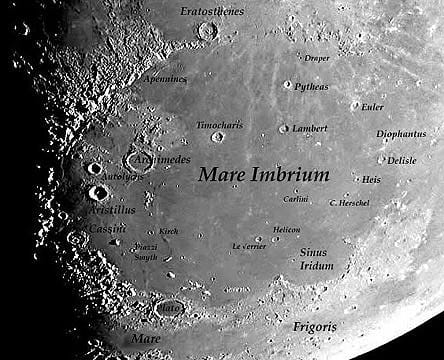
Exploring the Moon’s Giant Crater: Potential Samples from an Ancient Magma Ocean
A recent discovery suggests that a massive crater on the Moon may contain remnants of an ancient magma ocean, offering Artemis astronauts a unique opportunity to collect samples that could provide insights into the Moon’s early geological history.
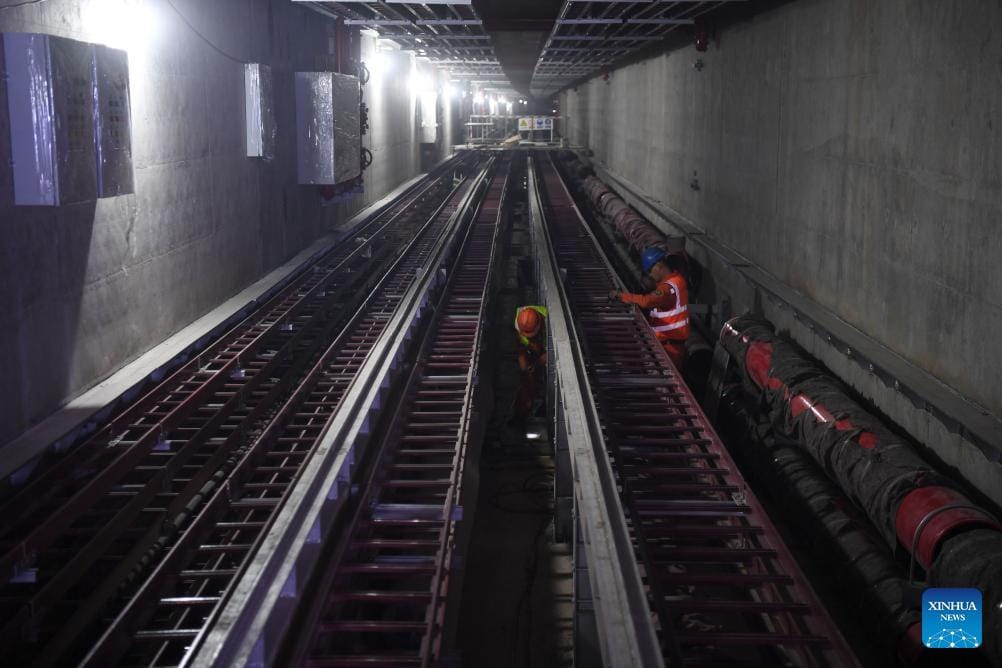
China’s Ambitious Underwater Station Project at 6500 Feet Below Sea Level
China is undertaking a significant underwater station project, aiming to enhance marine research and technology capabilities. The station, positioned 6500 feet below sea level, will serve as a hub for scientific exploration and data collection in the depths of the ocean. This endeavor reflects China’s commitment to advancing its oceanic research and exploration initiatives, expected to yield valuable insights into marine ecosystems and their conservation.

New Insights into Quantum Gravity Propel Theory of Everything Forward
Recent advancements in quantum gravity research have brought scientists closer to formulating a comprehensive theory of everything, integrating the realms of quantum mechanics and general relativity. This groundbreaking work aims to bridge fundamental gaps in our understanding of the universe.