Recent findings from citizen science projects have revealed that the vibrant clouds of Jupiter are not composed of ammonia ice, challenging previous scientific assumptions. This discovery was made possible through the collaborative efforts of amateur astronomers and researchers who analyzed data from the Hubble Space Telescope and other observational tools. The new insights into the chemical composition of Jupiter’s atmosphere could significantly enhance our understanding of the gas giant and its meteorological phenomena.
Category: Science

Timekeeping for the Cosmos: The Need for New Clocks in Space Exploration
As humanity sets its sights on colonizing other planets, the importance of accurate timekeeping becomes paramount. The conventional clocks we rely on Earth may not suffice in the unique environments of other worlds. This article explores the challenges of timekeeping in space, the potential need for new clocks that accommodate different planetary rotations, and the implications for future space missions.

Jimmy Carter’s Early Advocacy for Climate Change Awareness
In the late 1970s, President Jimmy Carter was among the first world leaders to highlight the importance of addressing climate change, raising concerns that would resonate decades later, culminating in international agreements like the Paris Accords. His administration’s initiatives laid the groundwork for future environmental policies and emphasized the need for sustainable energy practices.
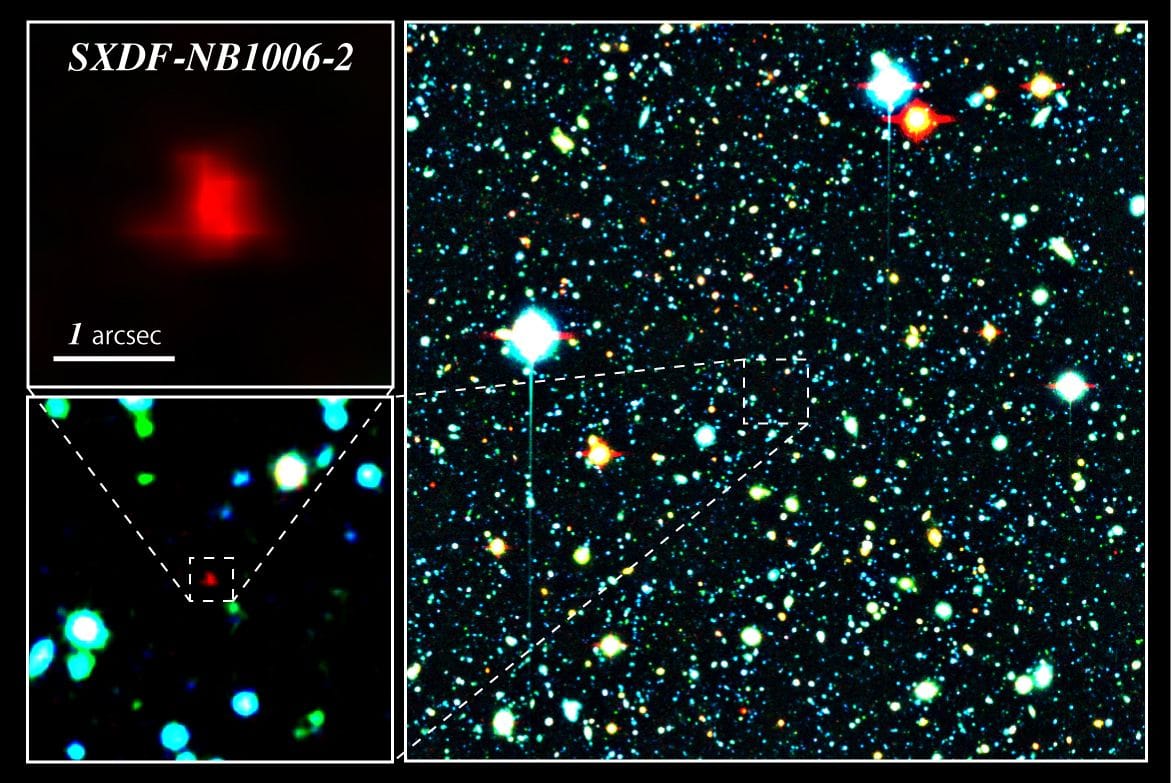
Astronomers Unveil 44 New Stars in Distant Galaxy Through Gravitational Lensing
A team of astronomers has successfully identified 44 new stars in a distant galaxy by utilizing the phenomenon of gravitational lensing. This method, which involves the bending of light from distant objects due to the gravitational field of an intervening massive object, has enabled researchers to gain insights into the formation and evolution of stars in galaxies far beyond our own. The findings contribute significantly to our understanding of cosmic structures and the behavior of light in the universe.

Newly Uncovered Dinosaur Tracks Along the UK’s Ancient Pathway
Recent discoveries along a section of the UK’s renowned dinosaur highway have revealed new tracks that provide valuable insights into the behavior and movement of these prehistoric creatures. Paleontologists are excited about the implications of these findings, which enhance our understanding of the diverse species that once roamed the region during the Jurassic period.

New Discoveries Along the UK’s Dinosaur Highway Reveal Ancient Footprints
Recent excavations along what is known as the UK’s Dinosaur Highway have unveiled new dinosaur tracks, providing valuable insights into the behavior and movement of these prehistoric creatures. The findings, which include a variety of footprints, suggest a diverse ecosystem that thrived millions of years ago. Researchers are excited about the implications of these discoveries for understanding dinosaur evolution and their environment.
Redefining Time: The Need for New Timekeeping Systems in Space Exploration
As humanity sets its sights on colonizing other planets, the need for accurate timekeeping systems becomes increasingly critical. Traditional clocks, based on Earth’s rotation and orbit, may not suffice in environments with different gravitational forces and day lengths. This article explores the challenges of timekeeping in space and the potential innovations required to facilitate human life on other worlds.

Astronomers Uncover 44 New Stars in Distant Galaxy Through Gravitational Lensing
In a groundbreaking discovery, astronomers have identified 44 new stars in a distant galaxy by utilizing the phenomenon of gravitational lensing. This technique, which involves the bending of light from distant objects by massive celestial bodies, has enabled researchers to observe regions of space that were previously obscured. The findings, published in a recent study, provide valuable insights into the formation and evolution of galaxies and highlight the potential of gravitational lensing as a tool for astronomical exploration.

New Discoveries Along the UK’s Dinosaur Footprint Trail
Recent excavations along a renowned dinosaur trackway in the UK have unveiled additional fossilized footprints, providing new insights into the behavior and movement of these prehistoric creatures. This discovery not only enriches the existing knowledge of the species that roamed the area millions of years ago but also highlights the significance of the site as a valuable resource for paleontological research.

Astronomers Unveil 44 New Stars in Distant Galaxy Through Gravitational Lensing
A recent astronomical study has revealed the discovery of 44 new stars in a distant galaxy, facilitated by the phenomenon of gravitational lensing. This technique, which involves the bending of light from distant objects by massive celestial bodies, has allowed researchers to observe and analyze previously hidden stellar formations. The findings not only expand our understanding of star formation in the universe but also demonstrate the potential of gravitational lensing as a powerful observational tool in modern astronomy.