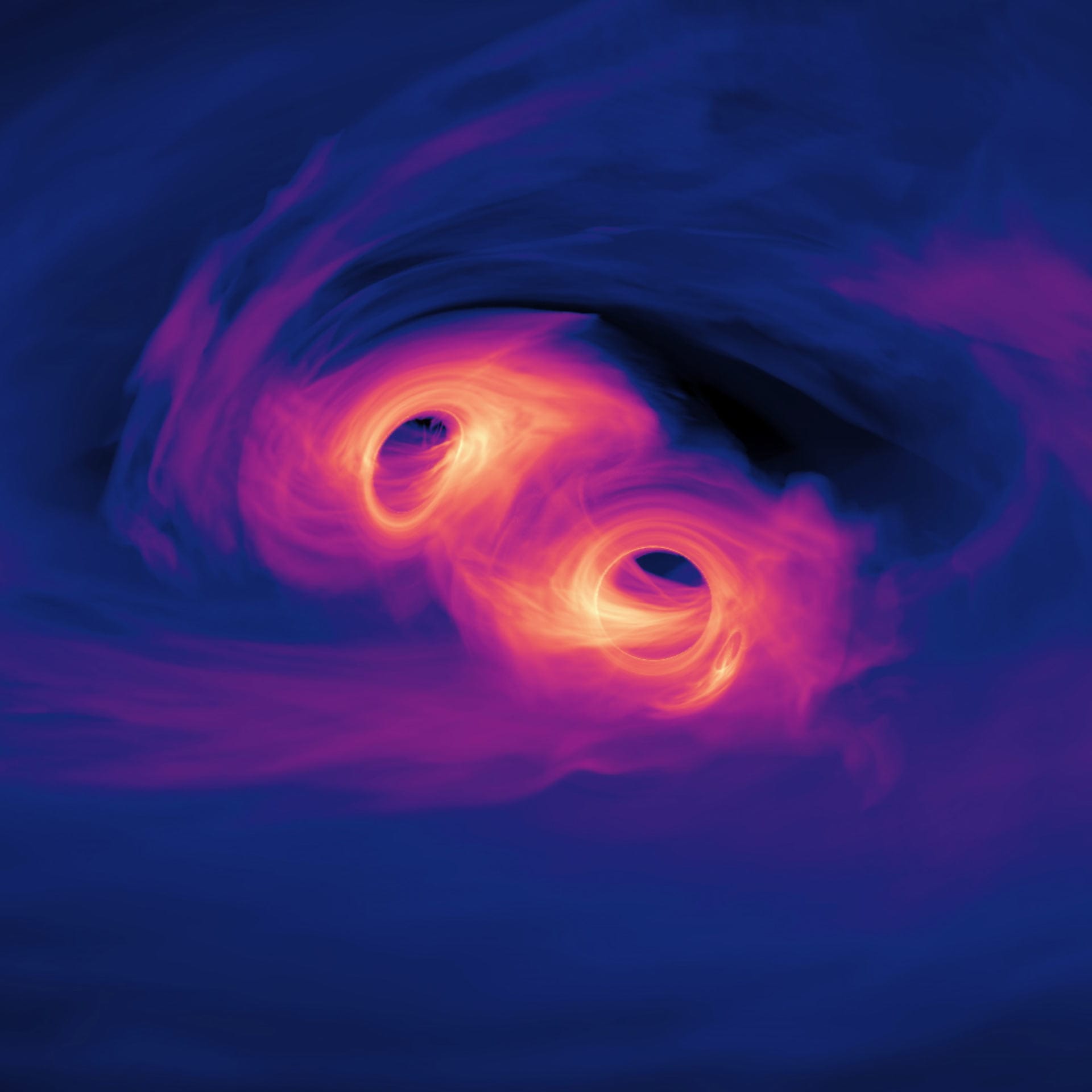
Recent advancements in the study of gravitational waves have provided scientists with a novel method to analyze the characteristics and origins of black holes. By interpreting the signals emitted during black hole mergers, researchers can gain insights into the mass, spin, and other properties of these enigmatic cosmic entities. This groundbreaking approach serves as a cosmic DNA test, allowing for a deeper understanding of the formation and evolution of black holes in the universe.
Category: Science

A Massive Celestial Body Could Have Altered the Structure of Our Solar System, Research Indicates
A recent study suggests that a large, unseen object may have influenced the arrangement of our solar system, potentially explaining the unusual orbits of certain celestial bodies. Researchers have proposed that this giant object, possibly a planet or a brown dwarf, could be located in the distant reaches of our solar system, affecting the gravitational dynamics of smaller bodies and leading to the observed anomalies in their trajectories.

Cedar Park Company Achieves Milestone with Successful First Burn of Lunar Lander
A lunar lander developed by a Cedar Park-based aerospace company has successfully completed its first burn, marking a significant milestone in its development. This achievement is a crucial step toward the lander’s upcoming mission to the Moon, where it aims to contribute to ongoing lunar exploration efforts.

New Insights into Prehistoric Diets: Evidence Suggests Early Humans Were Primarily Herbivorous
Recent archaeological findings have led researchers to reconsider the dietary habits of our ancient ancestors, suggesting that early humans may have primarily followed a vegetarian diet. This revelation is based on new evidence gathered from various archaeological sites, including fossilized remains and isotopic analysis, which indicate a significant reliance on plant-based foods. The implications of this discovery could reshape our understanding of human evolution and dietary adaptations.

Celestial Convergence: A Look at Planetary Alignments in Early 2024
In January and February 2024, a rare celestial event will occur as several planets align in the night sky. This phenomenon, which includes the alignment of Mercury, Venus, Mars, Jupiter, and Saturn, offers a unique opportunity for stargazers and astronomers alike. The article explores the significance of this alignment, how to observe it, and its implications for both amateur and professional astronomers.

Trump’s Second Term: Space Exploration Priorities and Key Players
As discussions surrounding a potential second term for Donald Trump gain momentum, the focus on space exploration and related policies is becoming increasingly prominent. This article explores the anticipated priorities for space under a Trump administration, the key players involved, and the implications for both national and international space endeavors.
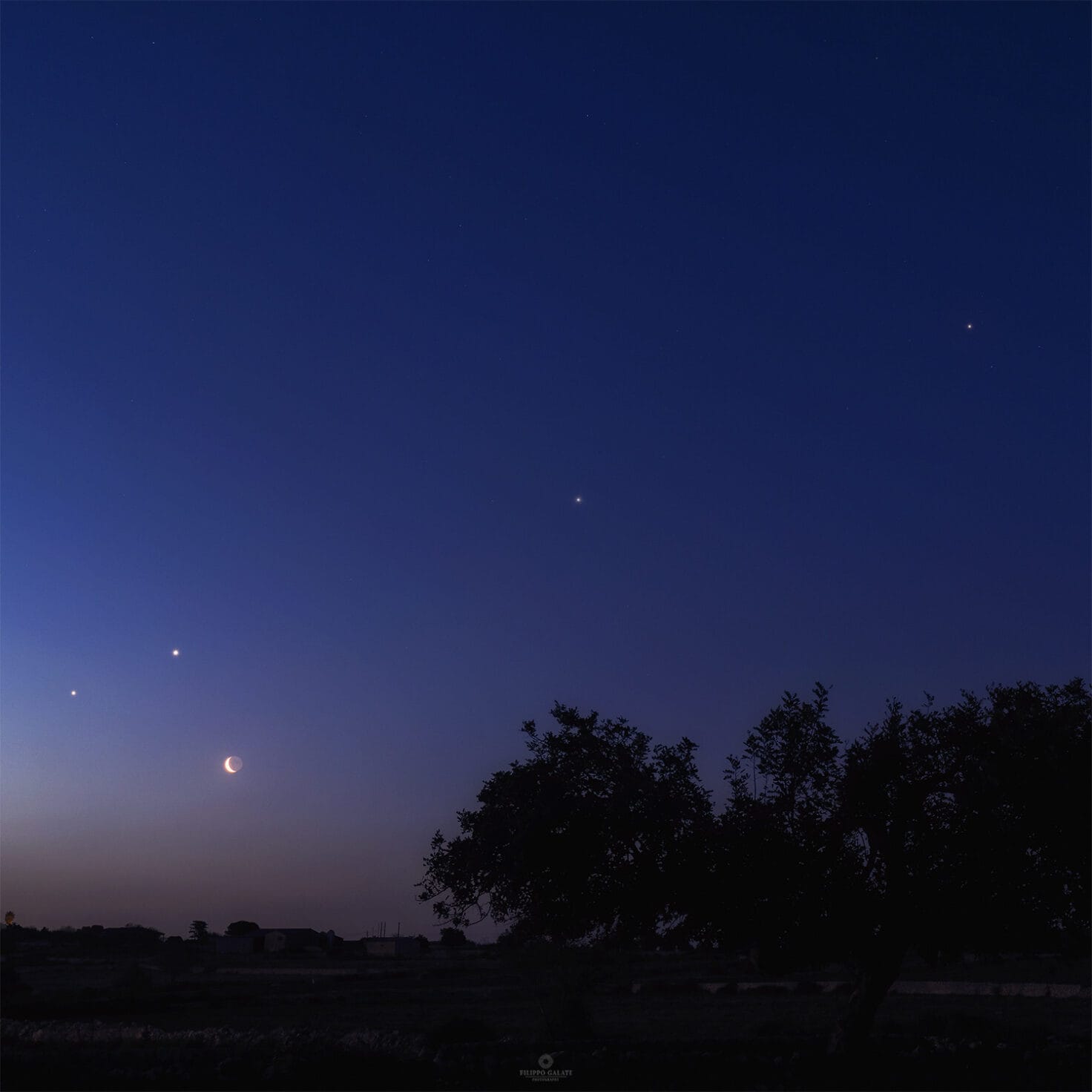
Celestial Convergence: A Look at Planetary Alignments in Early 2024
In January and February 2024, a rare celestial event will occur as several planets align in the night sky. This alignment will provide a unique opportunity for stargazers and astronomers alike to observe the planets in close proximity. The event is expected to attract significant interest from both the scientific community and the general public, as it offers a chance to witness a spectacular display of planetary positions.

China’s Tiangong Space Station Advances Rocket Fuel Production through Oxygen Generation
Recent experiments conducted aboard China’s Tiangong space station have successfully demonstrated the ability to generate oxygen that can be utilized as rocket fuel. This breakthrough marks a significant advancement in space exploration technology, potentially reducing the reliance on Earth-based resources for future missions. The experiments are part of China’s broader efforts to enhance its capabilities in space exploration and establish a sustainable presence beyond Earth.
Celestial Spectacle: Four Planets Align in February Night Sky
In mid-February, stargazers will be treated to a rare celestial event as four planets—Jupiter, Venus, Mars, and Saturn—align in the night sky. This planetary alignment will be visible to the naked eye, offering a unique opportunity for both amateur and seasoned astronomers to observe these celestial bodies in close proximity. The event is expected to attract attention from skywatchers around the world, as it provides a stunning visual display and a chance to learn more about our solar system.
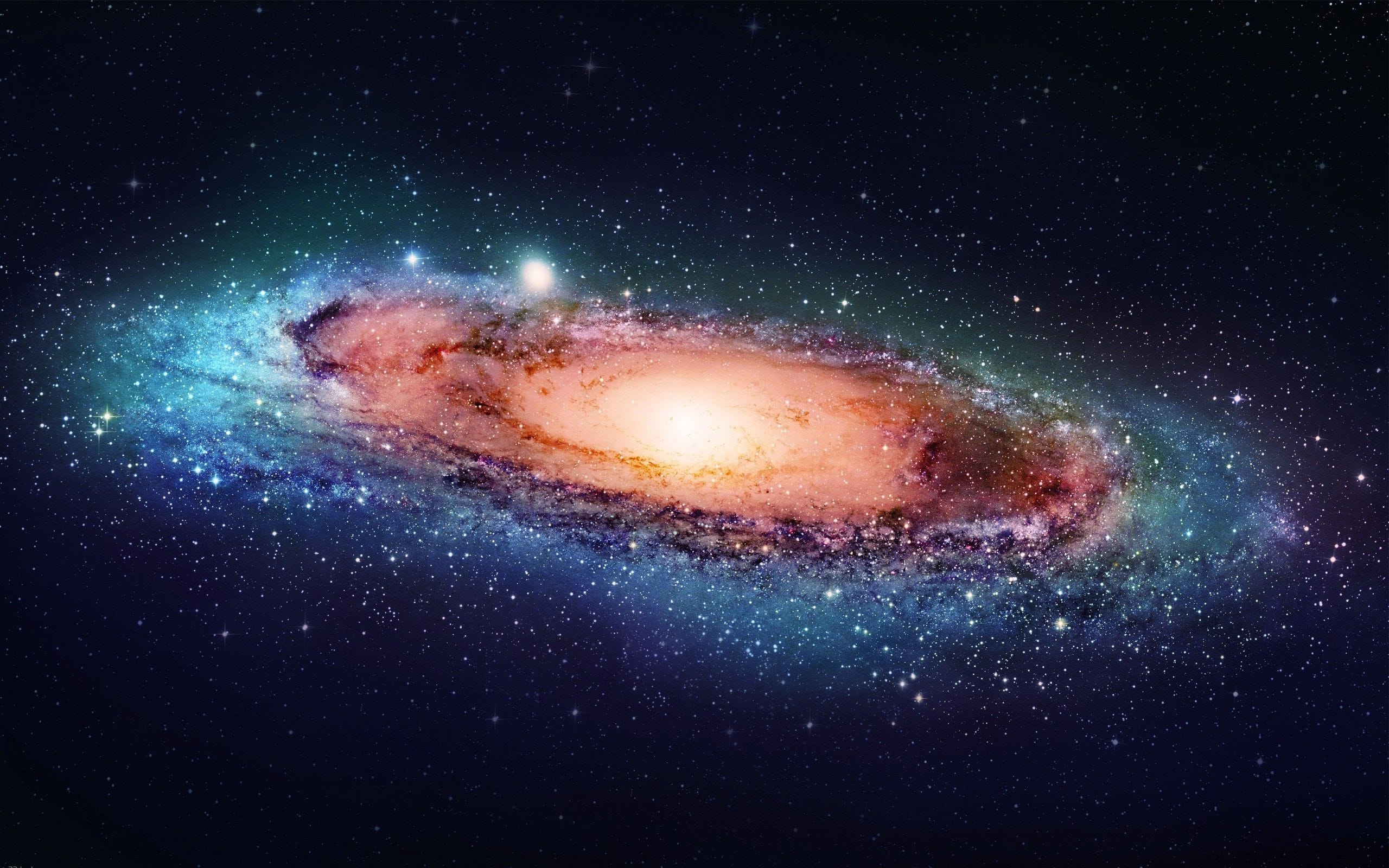
Unveiling the Andromeda Galaxy: A 25 Billion-Pixel Panorama from Hubble’s Decade-Long Observations
After ten years of meticulous observations, the Hubble Space Telescope has produced an extraordinary 25 billion-pixel panorama of the Andromeda Galaxy. This unprecedented image offers an unparalleled view of our nearest galactic neighbor, revealing intricate details of its structure, star formation, and the vast cosmic landscape surrounding it. The new panorama not only enhances our understanding of Andromeda but also serves as a testament to the capabilities of modern astronomical technology.