
The Geminid meteor shower, one of the most active and reliable annual meteor showers, will peak on the night of December 13-14, 2024. Here’s a guide on how to get the best view of the celestial spectacle in central Indiana.
Category: Science

Scientists Discover Lightweight Galaxy in Early Stages of Formation
Astronomers have identified a galaxy that is currently forming stars at a rate similar to that of the Milky Way when it was young, but with a much lower mass. This discovery provides insight into the early universe and the formation of galaxies like our own.

NASA Investigates Mars Helicopter Ingenuity’s Unexpected Crash on 72nd Flight
NASA’s Mars helicopter Ingenuity experienced an unexpected crash on its 72nd flight, and the space agency is working to determine the cause of the incident.
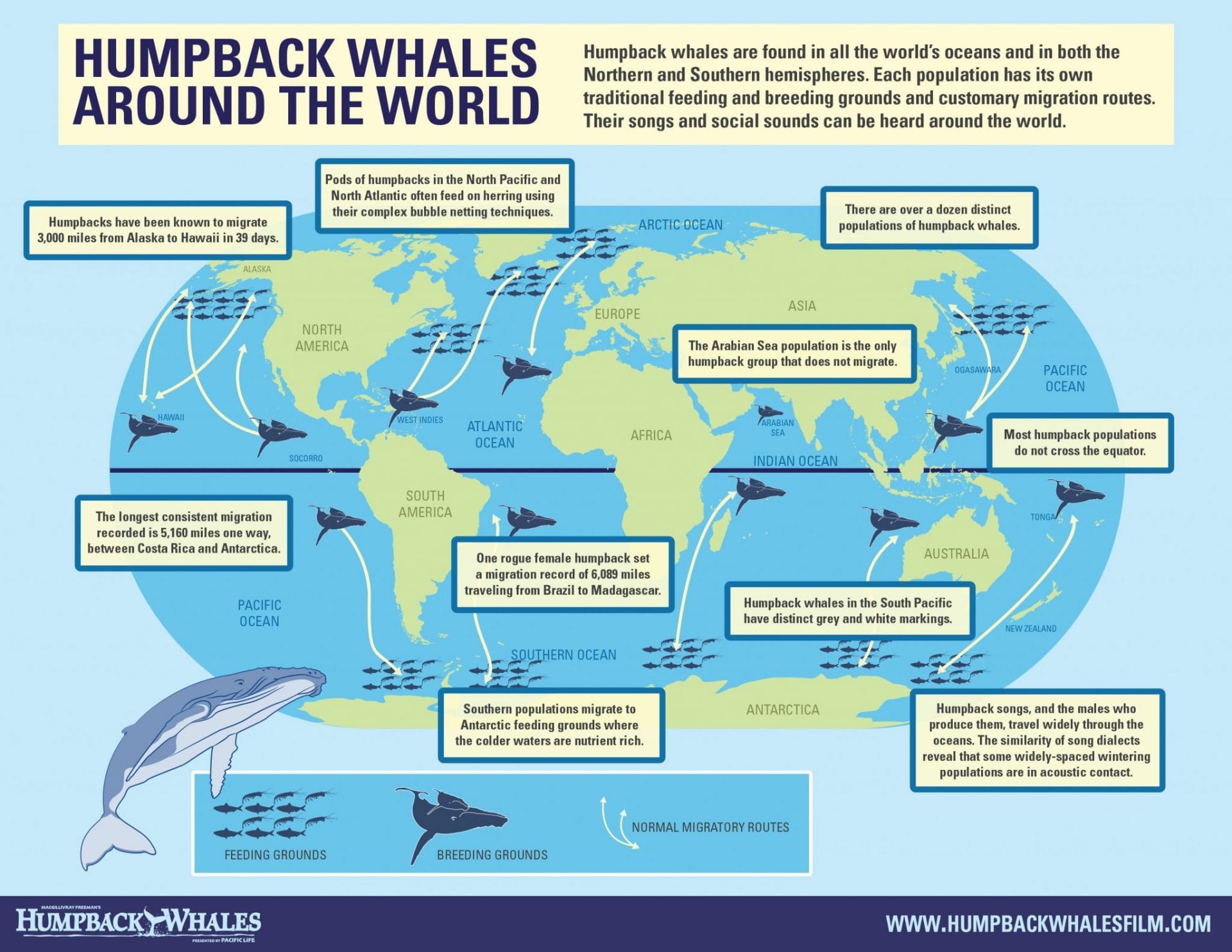
Rare Humpback Whale Embarks on Epic Journey Across Three Oceans
A humpback whale has made history by swimming across three oceans in search of a new breeding ground, covering a staggering distance of over 12,000 miles in just six months.

Mars Helicopter Ingenuity Incident Root Cause Identified
NASA investigators have determined the likely cause of the Ingenuity helicopter’s landing incident on Mars, attributing it to a navigational error during its final flight. Data analysis indicates that the helicopter’s inertial measurement unit (IMU) experienced a subtle anomaly, leading to a miscalculation of its position and a subsequent unintended landing. While the vehicle sustained damage, the investigation concludes that no systemic issues are present within Ingenuity’s design.
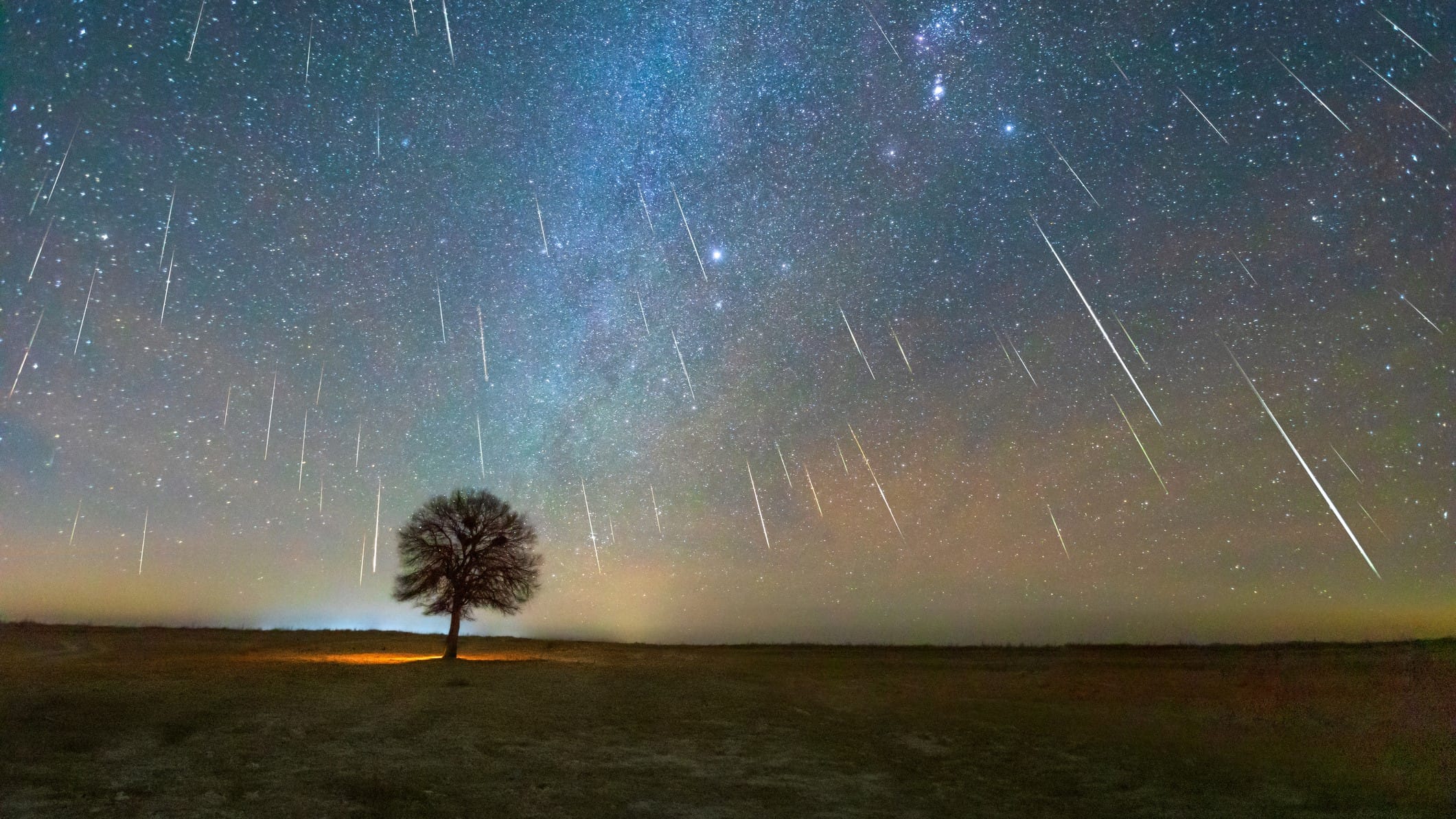
Optimizing Your Geminids Meteor Shower Viewing Experience in Central Indiana, 2024
The Geminids meteor shower, known for its bright and frequent meteors, will be visible in central Indiana during mid-December 2024. Optimal viewing conditions include minimal light pollution, clear skies, and patience. This article provides information on locating dark sky areas, understanding the timing of the peak, and essential equipment to enhance your viewing experience.
Unraveling the Resilience: How Deinococcus Radiodurans Survives Extreme Radiation
Deinococcus radiodurans, often nicknamed “Conan the Bacterium,” possesses an extraordinary ability to withstand radiation levels that would be lethal to most other life forms, including humans. This resilience is not due to any single mechanism, but rather a sophisticated combination of DNA repair, antioxidant systems, and unique structural features. Recent research highlights the bacterium’s efficient methods for repairing double-strand DNA breaks, its capacity to rapidly synthesize new DNA repair enzymes, and its efficient metal accumulation which plays a role in radiation resistance. Understanding these processes could have significant implications for fields such as biotechnology, medicine, and even space exploration.

Mars Helicopter Anomaly Investigation Concludes
NASA’s investigation into the loss of contact with the Ingenuity Mars helicopter has determined the likely cause to be a navigational error during its final flight. Analysis of telemetry data suggests a miscalculation of the helicopter’s position relative to the Martian terrain resulted in a crash landing. The agency has clarified that while the mission is over, the data collected by Ingenuity has provided invaluable insights into flight on Mars.
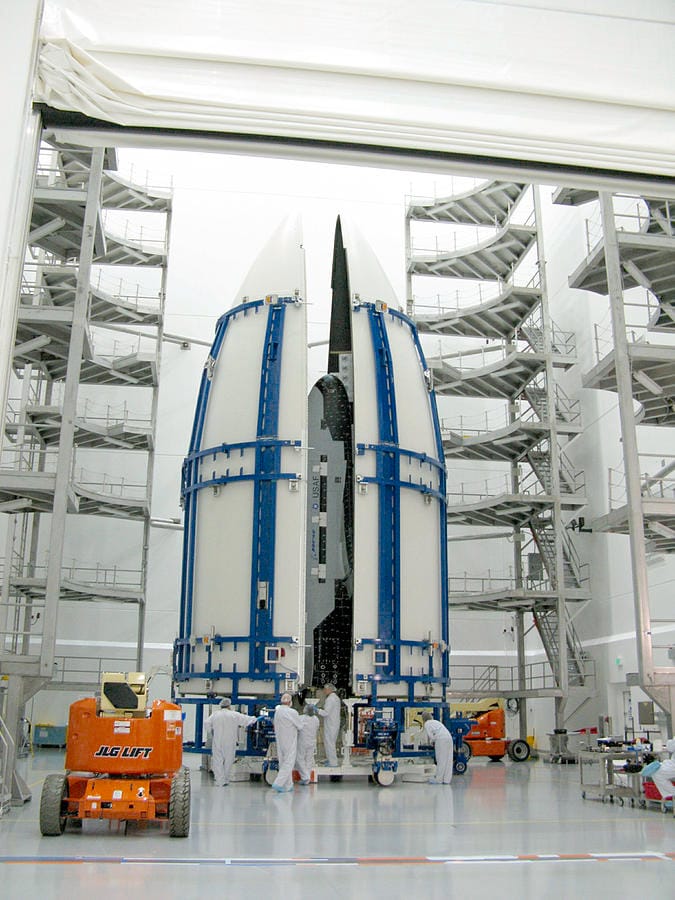
Orbital Vehicle Test Flight Concludes
A recent test flight of a large, reusable orbital vehicle concluded with a planned splashdown in the Pacific Ocean. The vehicle, designed for both cargo and crew transport to space, achieved several key objectives during its flight, including the successful deployment and re-entry of the upper stage, as well as the evaluation of various subsystems under operational conditions. Data collected from the flight is currently being analyzed to inform future iterations of the vehicle.
Unraveling Deinococcus Radiodurans’ Resistance to Lethal Radiation
Deinococcus radiodurans, often called “Conan the Bacterium,” possesses an extraordinary ability to withstand radiation levels that would be lethal to most organisms, including humans. This remarkable resilience stems from a combination of sophisticated DNA repair mechanisms, a highly efficient antioxidant system, and the unique structure of its genome, which together allow it to effectively recover from severe radiation-induced damage. Recent research is shedding light on the specific proteins and pathways involved in this process, potentially offering insights applicable to other fields, including human health and biotechnology.