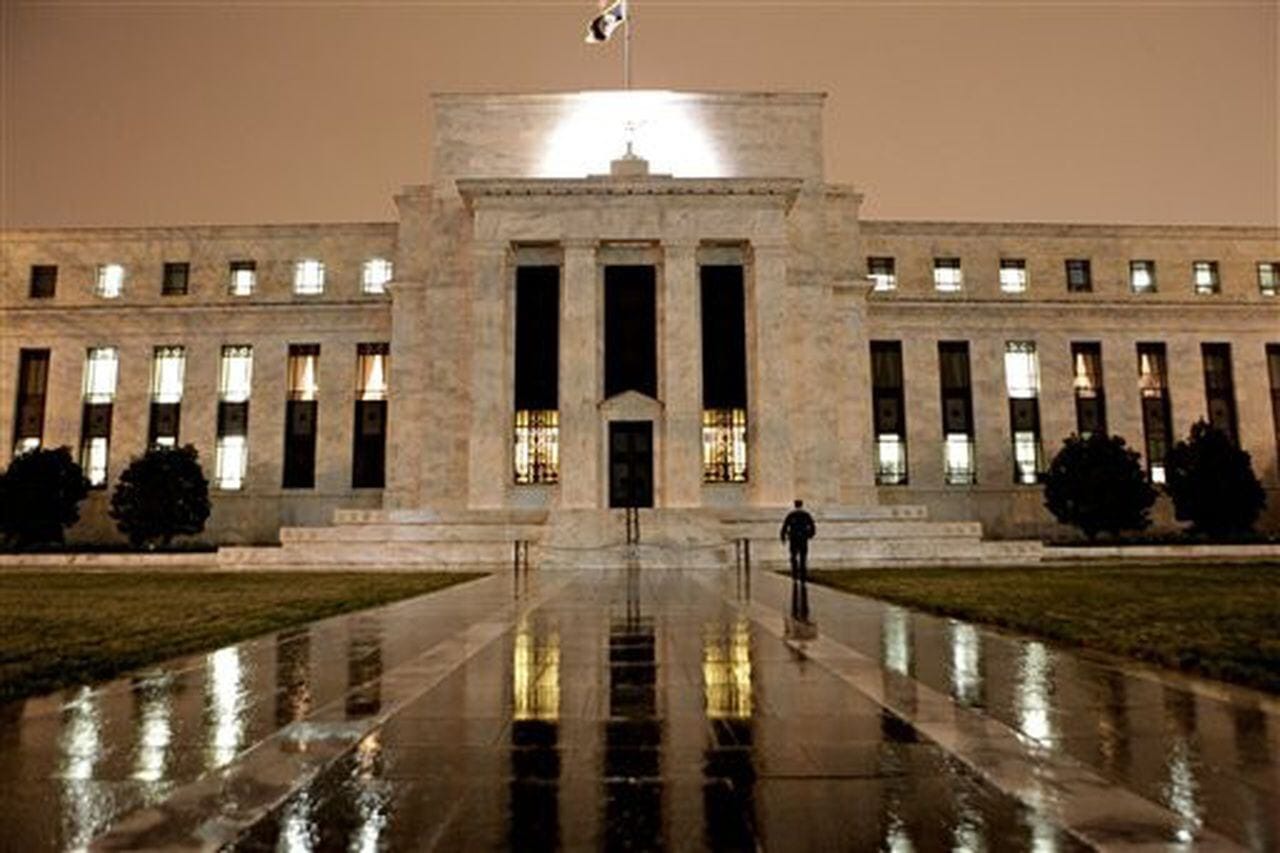
In a development that has captured the attention of investors and financial analysts alike, Wall Street has experienced a notable upswing following the Federal Reserve’s indication of a shift in its regulatory stance toward the banking sector. The Federal Reserve, led by Governor Christopher Waller, has signaled a move towards a more accommodating regulatory environment, a decision that is expected to have significant implications for the financial landscape in the United States.
The announcement comes at a time when the banking sector has faced considerable scrutiny and pressure to adhere to stringent regulatory standards. Over the past few years, many banks have been grappling with the ramifications of heightened regulations implemented in the aftermath of the 2008 financial crisis. These regulations were designed to ensure the stability of the financial system, but they have also imposed constraints on banks’ ability to lend and invest, which in turn has affected economic growth.
Waller’s remarks suggest that the Federal Reserve is now considering a more balanced approach to regulation, one that seeks to promote financial stability while also fostering growth and innovation within the banking sector. This pivot is seen as a response to the evolving economic landscape, where the need for banks to support businesses and consumers has become increasingly pressing. By easing certain regulatory burdens, the Federal Reserve aims to empower banks to better serve their clients and contribute to economic recovery.
Investors have reacted positively to this news, with many viewing it as a green light for increased lending and investment opportunities. The stock market has responded favorably, with major indices posting gains as confidence in the financial sector grows. Analysts suggest that a more lenient regulatory framework could lead to greater profitability for banks, as they would have more flexibility to engage in lending activities and pursue growth strategies.
Moreover, the potential for a gentler regulatory environment may also attract new entrants into the banking sector, particularly fintech companies that have been seeking to establish themselves in a market dominated by traditional banks. By reducing barriers to entry, the Federal Reserve could foster innovation and competition, ultimately benefiting consumers through improved services and lower costs.
However, while the prospect of reduced regulatory constraints may be appealing, it is essential to consider the potential risks associated with such a shift. Critics of a more lenient approach argue that it could lead to complacency among financial institutions, potentially undermining the progress made in ensuring the stability of the banking system. The balance between fostering growth and maintaining oversight is a delicate one, and the Federal Reserve will need to tread carefully as it navigates this new regulatory landscape.
In light of these developments, it is imperative for stakeholders, including policymakers, financial institutions, and investors, to engage in thoughtful discussions about the future of banking regulation. The Federal Reserve’s decision to adopt a gentler approach could have far-reaching implications, not only for the banking sector but also for the broader economy. Ensuring that the benefits of a more accommodating regulatory environment do not come at the expense of financial stability will be a critical challenge moving forward.
As Wall Street continues to respond to the Federal Reserve’s announcements, market participants will be closely monitoring any further developments regarding banking regulation. The potential for a shift in oversight could lead to increased volatility in the markets as investors adjust their strategies in response to changing conditions.
In conclusion, the Federal Reserve’s indication of a more lenient regulatory approach represents a significant moment for Wall Street and the banking sector as a whole. While the immediate reaction has been one of optimism, the long-term implications of this shift will require careful consideration and ongoing dialogue among all stakeholders involved. The delicate balance between promoting growth and ensuring stability will be crucial as the financial landscape continues to evolve in the coming years.