In a notable development in the realm of energy politics, Ukraine has declared a strategic shift in its energy management policies, aimed at addressing the continent’s ongoing dependence on gas imports. This decision is set against the backdrop of heightened geopolitical tensions, particularly in light of the ongoing conflict in the region, which has highlighted the vulnerabilities associated with energy reliance on a single source. As European nations grapple with the implications of energy security, Ukraine’s initiative represents a proactive step toward fostering greater energy independence and resilience.
Historically, Europe has been heavily reliant on gas imports, particularly from Russia. This dependency has not only raised concerns about energy security but has also underscored the need for diversification in energy sources. The recent announcement from Ukraine signals a recognition of these challenges and a commitment to reshaping the energy landscape in the region. By reducing reliance on gas, Ukraine aims to position itself as a key player in the transition toward more sustainable energy practices.
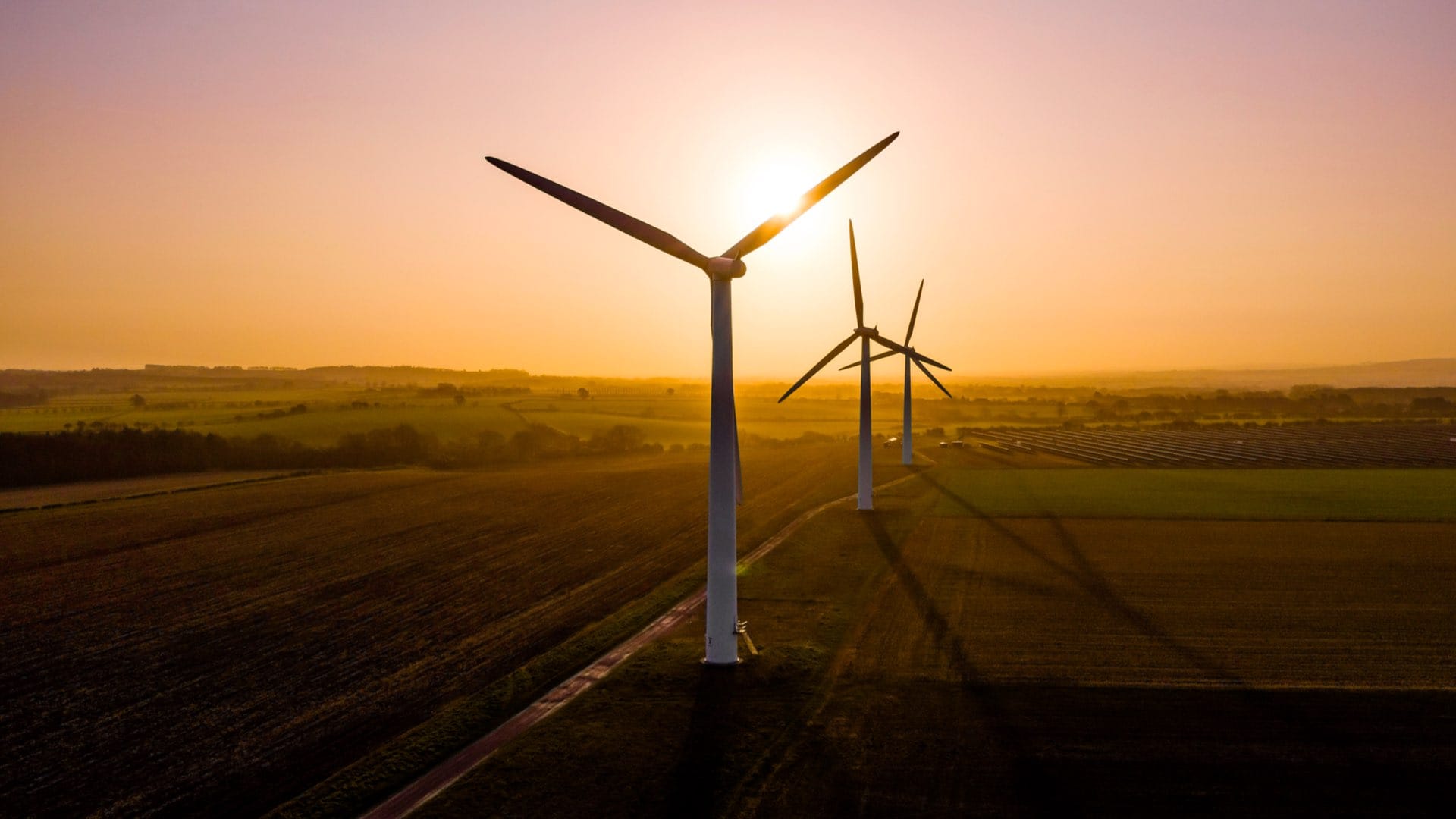
The Ukrainian government has outlined a multifaceted approach to achieving these goals. Central to this strategy is the promotion of renewable energy sources, such as wind, solar, and biomass. By investing in these technologies, Ukraine hopes to not only meet its domestic energy needs but also contribute to the broader European energy market. This shift toward renewables aligns with global trends toward sustainability and climate change mitigation, making it a timely and relevant initiative.
In addition to promoting renewable energy, Ukraine is also focusing on enhancing its energy infrastructure. This includes modernizing existing facilities and investing in new technologies that enable more efficient energy production and distribution. By improving the overall efficiency of its energy systems, Ukraine can reduce waste and ensure that energy is utilized more effectively. This modernization effort is expected to create new opportunities for collaboration with European partners, fostering a sense of shared responsibility in addressing energy challenges.
Moreover, Ukraine’s strategic pivot is not solely about energy production; it also encompasses energy consumption. The government is advocating for energy conservation measures that encourage businesses and consumers to reduce their energy usage. This holistic approach aims to create a culture of energy efficiency, ultimately leading to reduced demand for gas imports. By promoting energy-saving practices, Ukraine hopes to inspire other European nations to adopt similar measures, thereby contributing to a collective effort to decrease reliance on external energy sources.
The implications of Ukraine’s new energy strategy extend beyond its borders. As European nations seek to navigate the complexities of energy security, Ukraine’s initiative could serve as a model for other countries grappling with similar challenges. By prioritizing diversification and sustainability, Ukraine is positioning itself as a leader in the transition toward a more resilient energy future. This leadership role is particularly significant given the ongoing discussions within the European Union regarding energy independence and the need for a cohesive energy policy.
In the context of the current geopolitical landscape, Ukraine’s decision to end its “party” for Europe’s gas dependence is a bold statement. It signals a commitment to reshaping energy relationships and fostering greater collaboration among European nations. As the continent grapples with the implications of energy reliance, Ukraine’s initiative serves as a reminder of the importance of adaptability and innovation in the face of changing circumstances.
The Ukrainian government is also keenly aware of the potential economic benefits associated with this strategic shift. By investing in renewable energy and modernizing its infrastructure, Ukraine aims to attract foreign investment and create new job opportunities. This economic dimension adds another layer of significance to the initiative, as it aligns with broader efforts to stimulate growth and development within the country.
As Europe continues to navigate the complexities of energy dependence, Ukraine’s proactive approach offers a glimpse into a more sustainable and secure energy future. By prioritizing diversification, efficiency, and collaboration, Ukraine is not only addressing its own energy needs but also contributing to the broader goal of achieving energy independence for Europe as a whole. This initiative is a testament to the importance of strategic foresight and the need for collective action in addressing global energy challenges.
In conclusion, Ukraine’s decision to end its reliance on gas imports and shift toward a more sustainable energy strategy represents a pivotal moment in the region’s energy landscape. By promoting renewable energy, modernizing infrastructure, and advocating for energy conservation, Ukraine is taking significant steps toward enhancing its energy security and resilience. This initiative not only addresses domestic needs but also positions Ukraine as a key player in the broader European energy market, fostering collaboration and innovation in the pursuit of a more sustainable energy future.