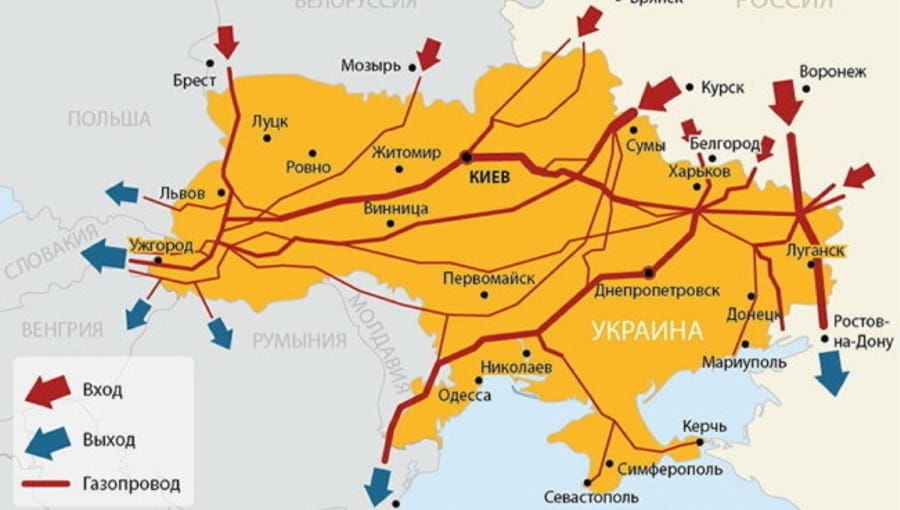
In a pivotal shift within the European energy landscape, Ukraine has announced the cessation of its supply of Russian natural gas to European markets. This decision marks a significant moment in the ongoing energy dynamics between Ukraine, Russia, and Europe, particularly as the region grapples with the implications of geopolitical tensions and energy security.
The decision to halt gas supplies follows a series of escalating conflicts between Ukraine and Russia, which have strained relations and raised concerns about energy dependence. For years, Ukraine has served as a crucial transit country for Russian gas destined for Europe, and its role in this capacity has been a point of contention amid the broader geopolitical struggles in the region. By ending these supplies, Ukraine aims to assert greater energy independence and reduce reliance on Russian energy sources, a goal that has gained traction among European nations seeking to diversify their energy portfolios.
This development comes at a time when Europe is increasingly focused on energy security, especially in light of the ongoing conflict in Ukraine and its implications for energy supplies. The European Union has been actively seeking alternatives to Russian gas, particularly as concerns grow over potential supply disruptions. Ukraine’s decision to halt gas supplies adds a new layer of complexity to these efforts, as European countries must now navigate the challenges of sourcing gas from alternative suppliers.
The implications of Ukraine’s decision are multifaceted. On one hand, it underscores the urgency for European nations to accelerate their transition to renewable energy sources and enhance energy efficiency measures. The European Union has set ambitious targets for reducing greenhouse gas emissions and increasing the share of renewables in its energy mix. As Ukraine ends its gas supplies, the EU may be prompted to expedite these initiatives, thereby reshaping the energy landscape in the region.
On the other hand, the immediate impact of this decision is likely to be felt in the gas markets. Analysts predict that the cessation of Ukrainian gas supplies could lead to increased volatility in gas prices, particularly during peak demand periods. European countries may face challenges in securing sufficient gas supplies to meet their needs, especially during the winter months when consumption typically rises. This situation could result in increased competition for gas among European nations, potentially driving prices higher and affecting consumers.
In response to the crisis, European leaders have emphasized the need for solidarity among member states. The European Commission has been working to facilitate discussions on energy cooperation and diversification strategies to mitigate the impact of Ukraine’s decision. Additionally, there is a growing recognition of the importance of investing in infrastructure that can support the import of liquefied natural gas (LNG) from non-Russian suppliers, as well as enhancing interconnections between member states to ensure a more resilient energy system.
Furthermore, Ukraine’s decision may also have geopolitical ramifications beyond the immediate energy market. It sends a clear message about Ukraine’s commitment to reducing its dependence on Russian energy and asserting its sovereignty in the face of external pressures. This move could resonate with other countries in the region that have similarly sought to decrease their reliance on Russian energy sources, potentially influencing broader energy policies across Eastern Europe.
As the situation evolves, it will be essential for both Ukraine and European nations to navigate the complexities of energy supply and demand. The cessation of Russian gas supplies through Ukraine presents both challenges and opportunities for reshaping the energy landscape in Europe. Policymakers will need to consider the long-term implications of this decision while also addressing the immediate concerns related to gas supply stability and pricing.
In conclusion, Ukraine’s decision to halt the supply of Russian gas to Europe represents a significant turning point in the region’s energy dynamics. As European nations respond to this development, there will be a renewed focus on energy independence, diversification, and the transition to sustainable energy sources. The full impact of this decision will unfold in the coming months, shaping the future of energy supply and geopolitical relations in Europe.