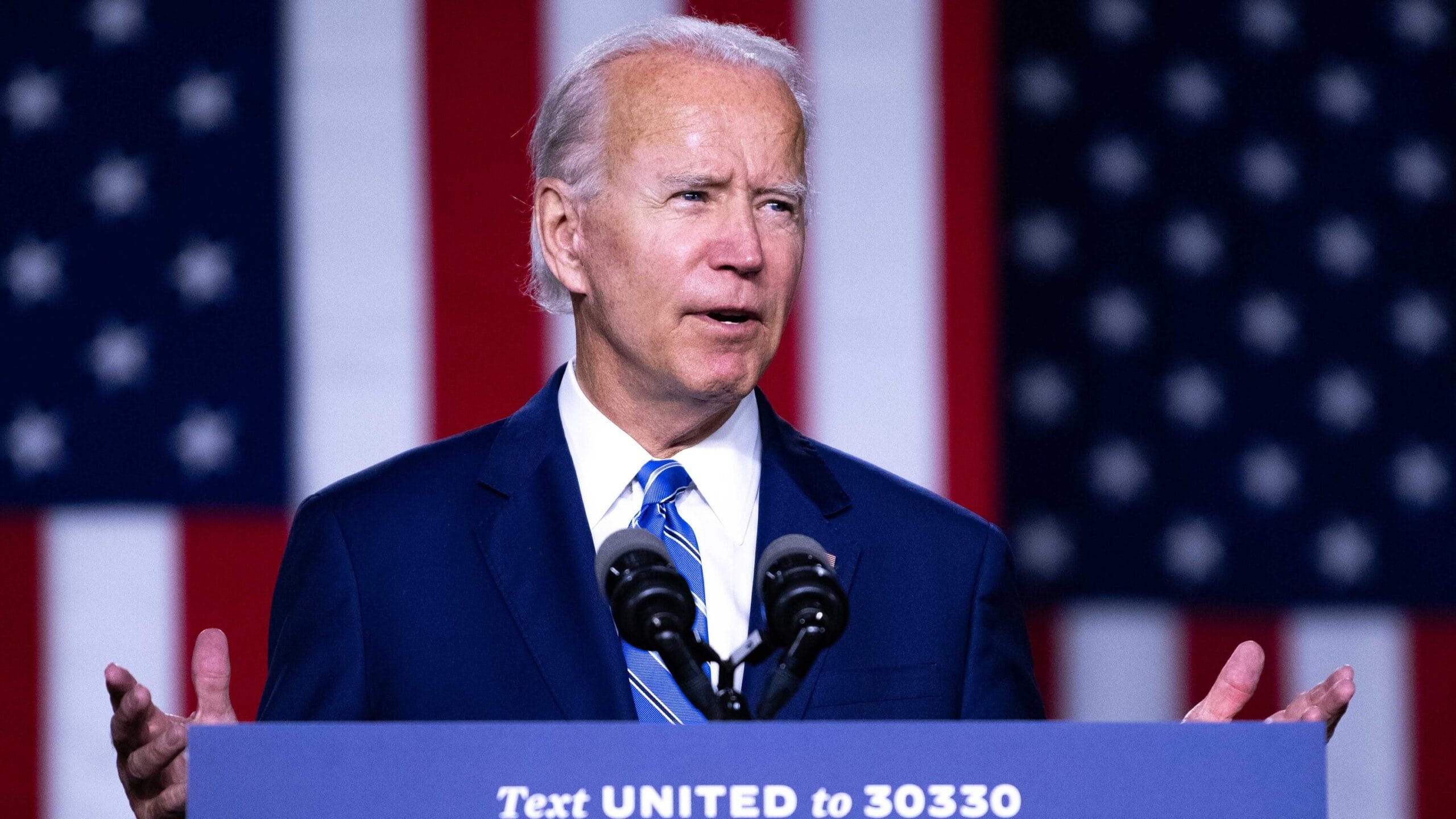
The Biden administration’s recent decision to lift specific sanctions on Russian oil trade has generated considerable attention and debate among policymakers, economists, and energy analysts. This policy shift comes at a time when the global energy landscape is undergoing significant changes, influenced by geopolitical tensions, economic pressures, and the ongoing conflict in Ukraine. The implications of this decision are multifaceted, affecting not only the United States and Russia but also the broader international community.
One of the primary motivations behind the lifting of these sanctions is the need to stabilize global oil prices. In recent months, the world has witnessed a surge in energy prices, driven by a combination of factors including supply chain disruptions, increased demand as economies recover from the COVID-19 pandemic, and the ongoing war in Ukraine. By allowing a limited resumption of Russian oil trade, the Biden administration aims to alleviate some of the pressure on global oil markets, which could help mitigate inflationary pressures that have been affecting consumers and businesses alike.
Furthermore, the decision to ease sanctions reflects a recognition of the complex interdependencies that characterize the global energy market. While the United States has sought to reduce its reliance on Russian energy, many European countries remain heavily dependent on Russian oil and gas supplies. The lifting of sanctions may provide these nations with a more stable supply of energy, thereby enhancing their energy security in the face of ongoing geopolitical uncertainties. This is particularly relevant as Europe continues to navigate its energy transition and seeks to diversify its energy sources.
However, the decision to lift sanctions is not without its critics. Some analysts argue that this move could undermine the United States’ position in the ongoing conflict in Ukraine. By re-engaging with Russian oil markets, there are concerns that the Biden administration may inadvertently provide financial support to the Russian government, which continues to fund its military operations in Ukraine. This raises important questions about the effectiveness of sanctions as a tool for influencing state behavior and achieving foreign policy objectives.
In addition to the geopolitical implications, the lifting of sanctions on Russian oil trade also has significant economic ramifications. For U.S. oil producers, the potential re-entry of Russian oil into the global market could lead to increased competition, which may impact domestic production levels and pricing strategies. This is particularly relevant as the U.S. seeks to position itself as a leading energy exporter, especially in the context of rising global demand for oil and gas.
Moreover, the decision to ease sanctions may also influence the dynamics of international energy partnerships. Countries that have historically relied on Russian energy supplies may reassess their energy strategies in light of this policy shift. This could lead to new alliances and partnerships in the energy sector, as nations seek to secure stable and reliable energy sources in an increasingly volatile global environment.
As the world continues to grapple with the consequences of the ongoing conflict in Ukraine, the lifting of sanctions on Russian oil trade serves as a reminder of the intricate connections between energy policy and international relations. The decision underscores the challenges that policymakers face in balancing economic interests with geopolitical considerations. It also highlights the need for a comprehensive approach to energy security that takes into account the diverse and often competing interests of various stakeholders.
In conclusion, the Biden administration’s decision to lift certain sanctions on Russian oil trade is a significant development in the context of global energy relations. While it may provide short-term relief to global oil markets and enhance energy security for some nations, it also raises important questions about the long-term implications for U.S. foreign policy and the effectiveness of sanctions as a tool for achieving strategic objectives. As the situation continues to evolve, it will be essential for policymakers to carefully consider the potential consequences of this decision and to engage in ongoing dialogue with international partners to navigate the complexities of the global energy landscape.