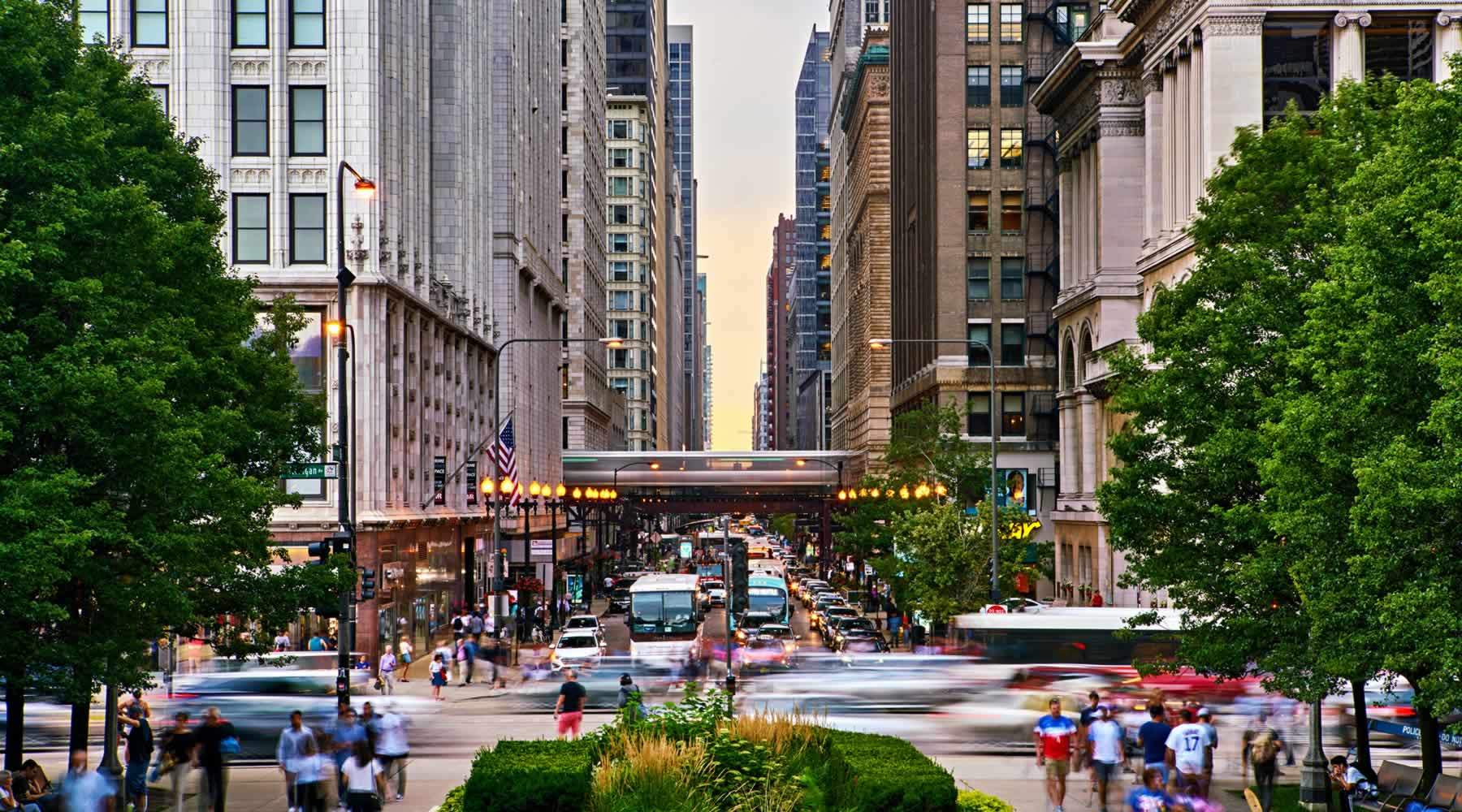
The COVID-19 pandemic has prompted a radical shift in the way millions of people work, as educational institutions and organizations rapidly adapted to remote work arrangements to ensure safety. This paradigm change has not only disrupted traditional office environments but has also raised questions about the long-term effects of remote work on urban economies. As many companies continue to adopt flexible work arrangements, cities around the world are beginning to assess the ramifications of this transition on various economic components, including commercial real estate, local businesses, workforce demographics, and overall urban vibrancy.
One of the most noticeable impacts of the shift to remote work has been on commercial real estate. With a significant portion of the workforce operating from home, demand for office space has declined. According to reports, vacancy rates in many urban centers have increased markedly, leading to a decrease in rental prices as landlords attempt to fill their vacant properties. This shift poses a challenge to city budgets that rely on property taxes associated with commercial enterprises. As businesses downsize or vacate, municipalities may face revenue shortfalls, necessitating adjustments in fiscal policy and urban planning to balance the economic fallout.
Conversely, this reduction in demand for office space also brings opportunities for urban revitalization. Property owners may repurpose unused office buildings into adaptable spaces for mixed-use development, such as residential units and community services. This trend reflects a broader call to reimagine urban landscapes, emphasizing the potential to transform underutilized areas into vibrant communities that cater to a diverse population. Cities may experience a reallocation of resources, enabling them to invest in sectors that have become more relevant in a remote work environment, such as technology infrastructure, public transport options, and green spaces.
Moreover, the increase in remote work has influenced local businesses, particularly those that have traditionally relied on foot traffic from office workers. Cafes, restaurants, and retailers in business districts have witnessed a decline in sales as fewer individuals visit these areas during business hours. However, some businesses have pivoted their models to adapt, focusing on delivery services or targeting a growing remote worker demographic. Cities that facilitate local entrepreneurship through support programs can bolster economic resilience in the face of such changes.
Additionally, changing workforce demographics play a critical role in this new urban landscape. With remote work enabling individuals to live farther from their workplaces, there is a growing trend of migration from densely populated urban centers to suburban and rural areas. This shift can lead to increased geographic dispersion of the workforce, which complicates the provision of services and infrastructure needed to support an evolving economy. Rising mobility among workers can also fuel competition for talent between urban centers and smaller communities, ultimately transforming how cities attract and retain skilled workers.
On a broader level, the integration of remote work raises questions about social equity and access to technology. The digital divide, which has been brought into stark relief during the pandemic, impacts different populations in varying ways. Some urban centers have begun investing in expanding broadband access and technology education to ensure that underprivileged communities can participate in this remote work economy. Ensuring equitable access to remote work opportunities is essential for fostering resilience and sustaining economic growth across all demographics within urban populations.
Furthermore, mental health and employee well-being have become increasingly significant considerations as remote work has become commonplace. Organizations must prioritize the mental health of their workforce while navigating this shift, as isolation, burnout, and work-life balance play an essential role in productivity and overall job satisfaction. Cities can play a supportive role in promoting wellness by creating environments that encourage social interactions and well-being, such as parks, community centers, and recreational spaces.
In conclusion, the rise of remote work is reshaping urban economies, forcing a reevaluation of traditional business models and urban infrastructure. As cities adapt to these changes, addressing the challenges presented by fluctuating commercial real estate demands, local business sustainability, workforce mobility, and equity in access to technology must remain at the forefront. Comprehensive planning, community engagement, and tailored support are essential to bolster economic resilience while enhancing the vibrancy and appeal of urban centers in a rapidly evolving workplace landscape.

