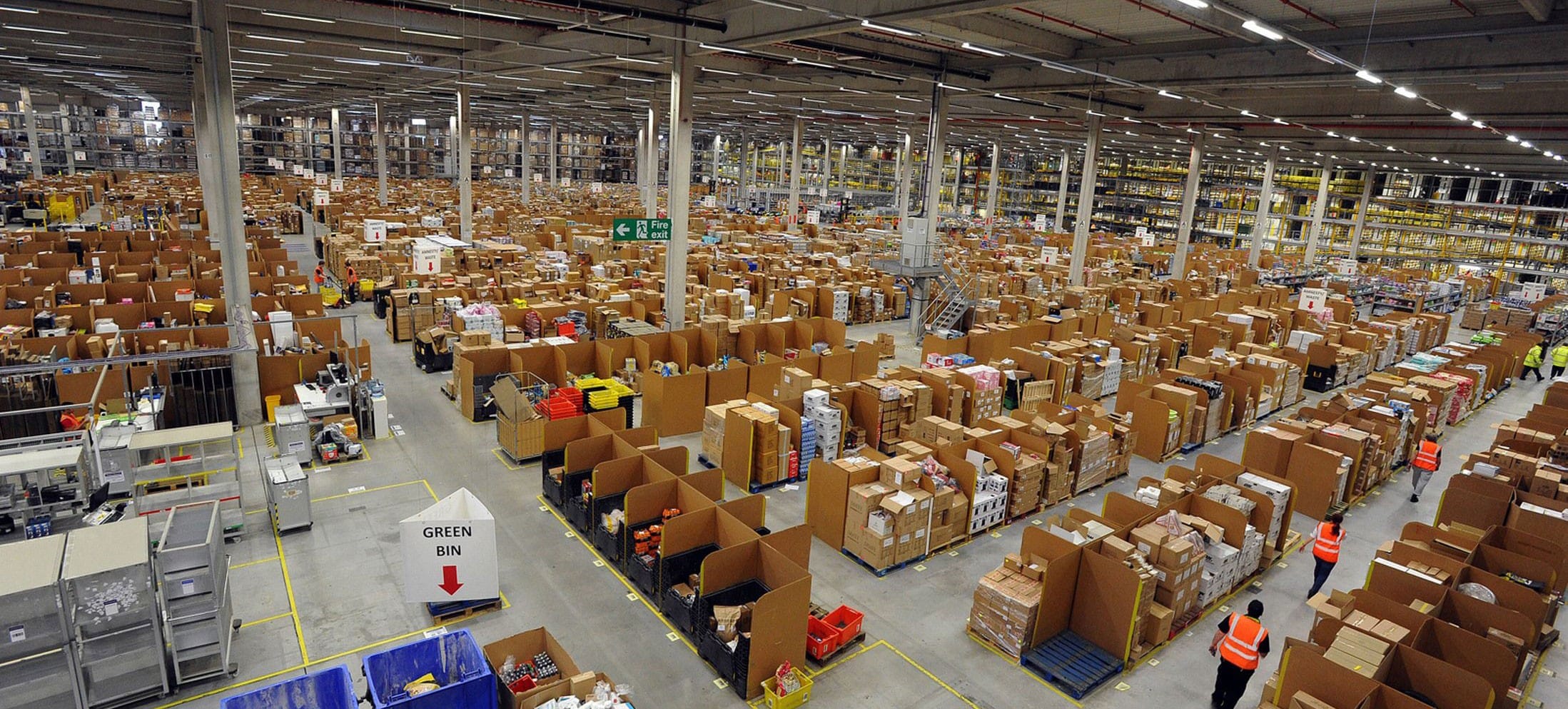
In a significant development regarding workplace safety practices, a Senate investigation has brought to light allegations that Amazon has manipulated injury data related to its warehouse operations. The findings of this inquiry raise important questions about the transparency and accuracy of safety reporting within one of the largest employers in the United States.
The Senate probe, which was launched in response to ongoing concerns about working conditions in Amazon’s fulfillment centers, revealed that the company reportedly engaged in practices that skewed injury statistics. This manipulation was aimed at portraying a safer environment for workers than what the actual conditions might suggest.
As part of the investigation, various sources, including former employees and industry experts, provided testimony suggesting that Amazon systematically underreported workplace injuries. This underreporting may have been intentional, allowing the company to maintain a public image of safety while minimizing concerns among regulators, employees, and the general public.
The inquiry found that in some cases, injuries that should have been reported were not, and employees were discouraged from filing claims, which may have contributed to the reported decline in injury rates. The investigation also revealed instances where employees were pushed to return to work quickly after sustaining injuries, further complicating the company’s safety narrative.
One particular point of concern highlighted during the Senate hearings was the pressure that warehouse workers face to meet high productivity targets. Critics have argued that such performance benchmarks can create a stressful environment that prioritizes speed over safety. There were claims that this culture might lead to workers feeling compelled to downplay or not report injuries to avoid any negative repercussions or impacts on their performance reviews.
The Senate inquiry also scrutinized the metrics that Amazon uses to assess warehouse safety. The examination of these metrics suggests that they may not provide a complete picture of the working conditions and potential health risks employees face on a daily basis. This selective reporting could mislead stakeholders who rely on these figures to understand workplace safety.
Further complicating the matter is the trend of increased automation and technology deployment within Amazon’s warehouses. While automation is designed to enhance efficiency, the inquiry raised concerns about the potential impacts on worker safety and the adequacy of existing safety measures. As technology plays a larger role in warehouse operations, it is essential to ensure that safety protocols keep pace with evolving work environments.
Subsequent to the unveiling of these findings, federal lawmakers expressed intentions to hold further hearings to evaluate the implications of these revelations and explore measures to enhance oversight of large employers like Amazon. There are calls for stricter regulations and improved transparency when it comes to workplace safety reporting in the fulfillment and logistics sectors.
In light of the investigation’s findings, Amazon responded by reaffirming its commitment to worker safety. The company stated that it continuously evaluates and improves its safety protocols and conducts regular assessments to ensure a safe working environment for employees. However, critics maintain that the actions taken thus far may not adequately address the systemic issues highlighted in the Senate’s findings.
The implications of these revelations extend beyond Amazon itself. They underscore broader conversations about workers’ rights, corporate responsibility, and the importance of accurate reporting in ensuring safe working conditions across various sectors. As more companies adopt rigorous productivity targets and embrace automation in their operations, the challenges of balancing efficiency with worker safety will become increasingly relevant.
In conclusion, the Senate investigation into Amazon’s manipulation of injury data raises pressing questions about workplace safety and transparency within the company’s fulfillment centers. With lawmakers promising further examination and scrutiny, the outcomes of this inquiry may lead to significant changes in how companies report workplace injuries and manage employee safety. The need for robust safety measures and accountability in large-scale operations has never been more critical, and the findings of this investigation may serve as a catalyst for meaningful reform in the industry.