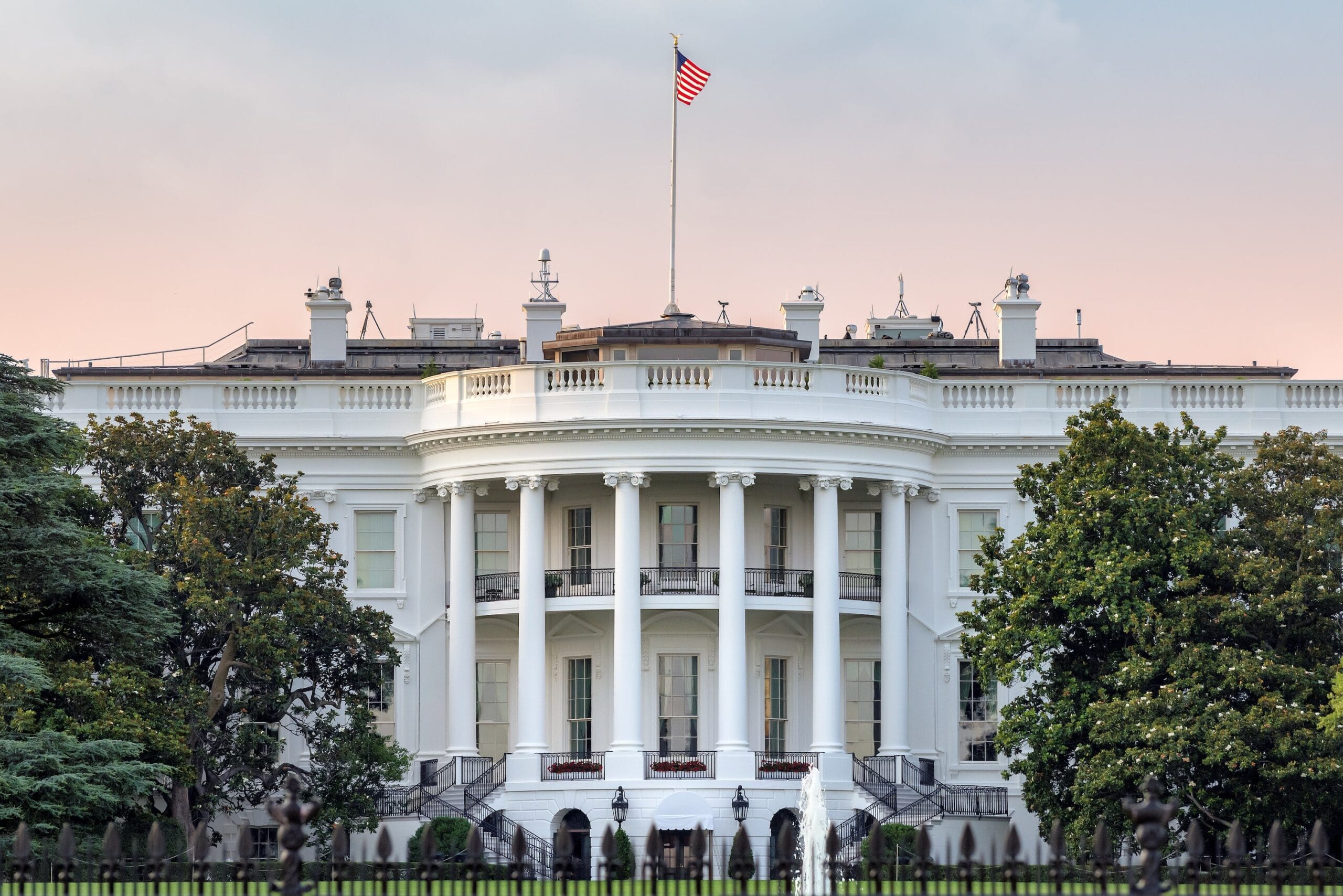
The United States Senate recently endorsed Russell Vought to serve as the Director of the White House Office of Management and Budget (OMB). Vought’s confirmation follows his time in the position as acting director since January 2019. With this official designation, he assumes responsibility for leading the office tasked with formulating the federal budget, overseeing government expenditure, and advising the President on economic policy matters.
In a vote reflecting the prevailing political polarization, the Senate approved Vought’s nomination. Proponents emphasized his readiness for the role, citing his experience in navigating OMB responsibilities over the past year and a half. Critics, however, raised concerns regarding specific policies and decisions made under his stewardship during his acting tenure, which, they argue, could have long-term implications on fiscal policies and federal programs.
Russell Vought is no novice to Washington political circles. Before taking on roles within the administration, Vought served as Vice President of Heritage Action for America and worked extensively in policymaking circles. His career also includes a significant tenure on Capitol Hill, where he served as a staffer for budget-related committees. His previous track record in conservative policymaking and his deep understanding of fiscal issues were instrumental in securing his nomination.
The White House Office of Management and Budget plays a pivotal role in shaping the nation’s economic agenda. The agency crafts the federal budget, reviews regulations, and provides fiscal analyses necessary for government operations. With the dire economic challenges posed by global and domestic events, the Director’s role has grown exponentially more significant.
Under Vought’s acting leadership, the OMB has been at the center of key decisions that shaped the administration’s economic direction. These include managing federal appropriations and addressing fiscal issues emerging during the COVID-19 pandemic. Vought supervised the distribution of federal aid packages designed to support states, businesses, and individuals amid the pandemic’s severe economic fallout. His management strategies during this extraordinary crisis have been noted as both challenges and opportunities.
Vought’s confirmation has also drawn attention to his role in advancing the administration’s priorities, often prioritizing defense spending and cuts to certain domestic programs. Advocates of these policy decisions argue they align with efforts to streamline federal expenditures and strengthen national security. On the other hand, opponents highlight difficulties faced by essential federal programs in fields like health and education due to proposed budget reductions.
Supporters emphasize Vought’s work on advancing federal transparency. Under his watch, the OMB has sought to modernize various government functions, adopting digital tools to improve operational efficiencies. Vought himself has publicly championed the need to ensure fiscal accountability and minimize wasteful spending, efforts which resonate with fiscal conservatives.
However, detractors have pointed to controversies stemming from Vought’s tenure. For instance, his approach toward policy recommendations, which critics claim have skewed heavily towards certain ideologies, has sparked widespread debate. They cite moments when budget proposals were seen as aligning more with political priorities than broader bipartisan collaboration.
The role of the OMB Director goes well beyond budgetary forecasts. It is a position that directly interacts with all facets of governance — from health care to environmental regulation — making it one of the most influential seats within the administration. Vought’s confirmation signals continuity in this regard, but it also highlights the policy direction that the administration is likely to pursue in the coming months.
As Russell Vought officially takes up his post, all eyes will be on how he manages priorities during this pivotal period. Issues concerning fiscal responsibility, economic stimulus needs, and government transparency will undoubtedly test his leadership abilities. Amid the pressures of his new role, building consensus and maintaining a balance between competing priorities will remain an ongoing challenge.
His confirmation underscores a significant moment in U.S. fiscal policymaking, marking a continuation of the administration’s budgetary goals while inviting scrutiny on the execution of these ambitious plans. For Vought, it represents an opportunity to solidify his legacy in one of the most critical roles within the federal government.